

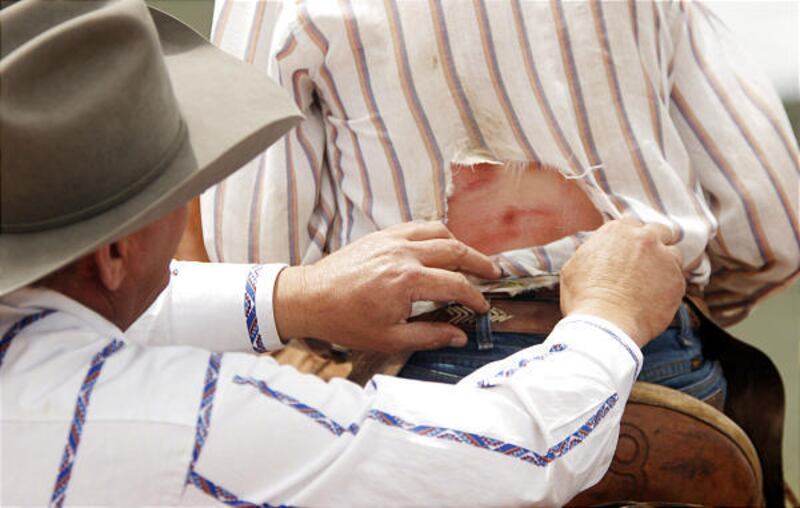
RANDOLPH, Rich County — Bright red abrasions show through a ripped hole in the back of Cole Weston's shirt.
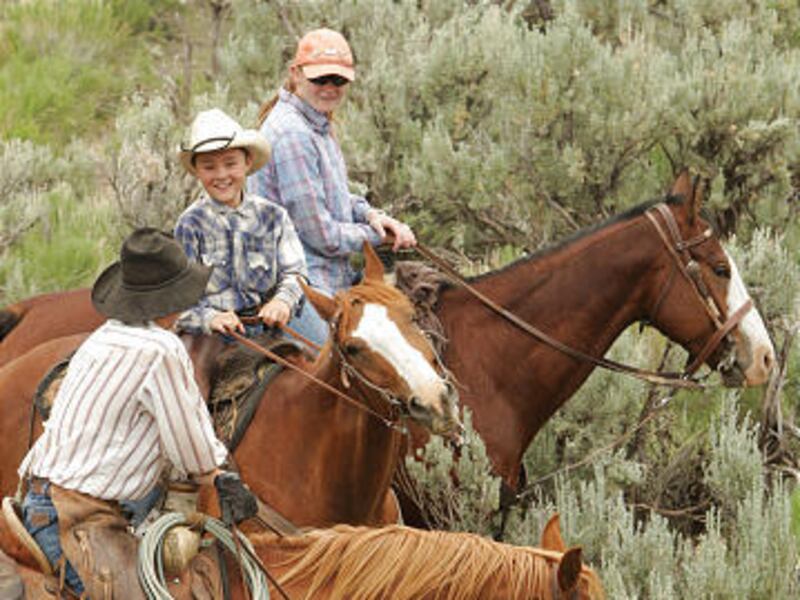
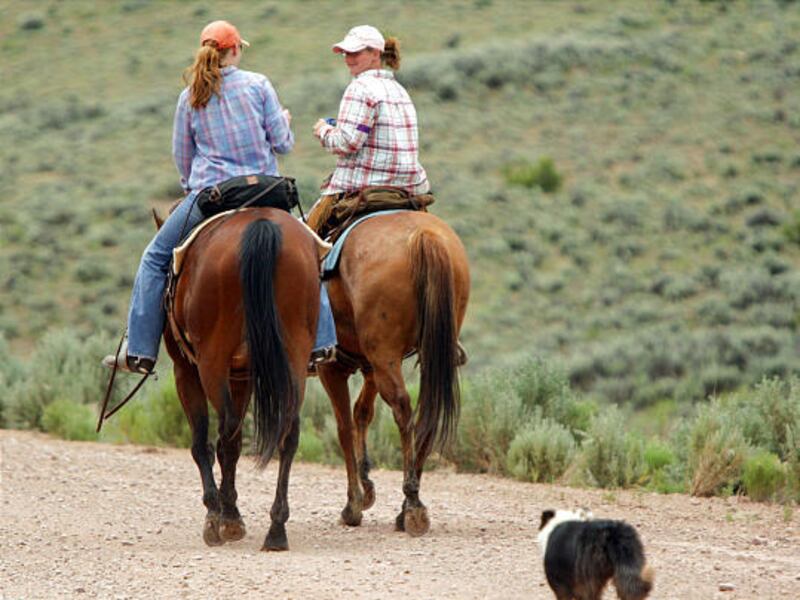
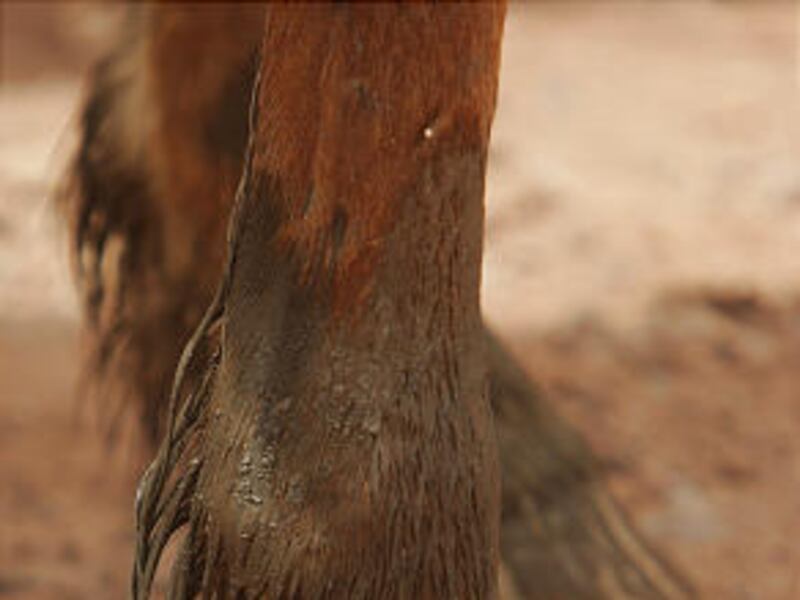
The teen has reins in his hands and a sheepish grin on his face as he tells how he followed a bull up a steep slope, only for his horse to fall backward on top of him.
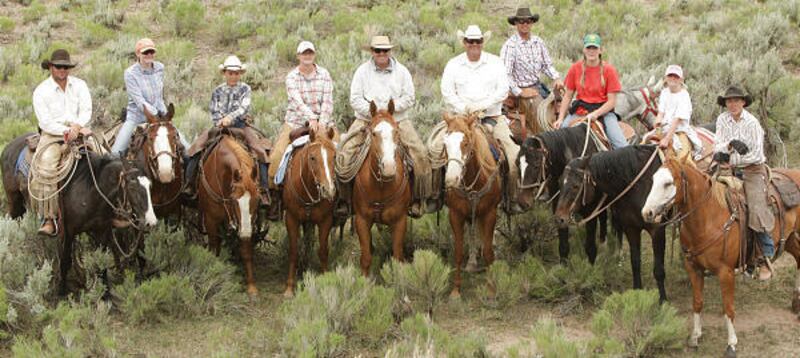
"At first I thought it killed him," says his cousin, Simmy Weston, before he plunges into a gully to meet the rest of the Weston clan out for the day's cattle drive.
They have a name for every nook and cranny — Whitney Canyon, Muddy Creek, Bell Butte — on this rugged, 250,000-acre range along the Utah-Wyoming border. Those names are signposts of a way of life that Simmy's father, Cole's grandfather and four other brothers hope to pass on as it was passed to them.
But with ever-shrinking profit margins, environmental lawsuits and unplanned expenses around every corner, they're just hanging on. And the fate of a program that helps them may be a test of whether anyone else cares.
This was a late spring.
Like every year, newborn calves were fed last summer's alfalfa, grown along the Bear River. They should have headed up the mountain to the range around May 15, but the pastures weren't ready in time.
A few days make a difference: If hay runs out in the valley, where cows outnumber people 150 to 1, the ranchers buy more at $75 a ton. Feeding a cow runs 80 cents a day. With 500 head, a three-day delay costs more than $1,000. On an operating budget of $250,000, that hurts.
It's a cold valley, dipping to 20 below in the winter, which produces sturdy, highly regarded cattle. But ranching is tough with a limited number of feed crops. Typically, 35,000 calves are sold here in late fall, then shipped to Midwest feed-corn yards on their way to Kansas and Nebraska slaughterhouses the next summer.
The ranchers can make a 3 percent return — about $2,000 a month — in a good year, says Al Dustin, who runs a farm and ranch management program through the Utah College of Applied Technology's Logan branch. The last few years have been rough.
A mostly self-sufficient bunch, the ranchers rely on Dustin to navigate their financial straits. Most have recently refinanced their long-term debt, and many have moved to federal loans after banks dropped them. Despite vast land holdings and other assets, their cash flow is a trickle.
"They're millionaires who can't buy a hamburger," Dustin said. "They literally live off the lifestyle."
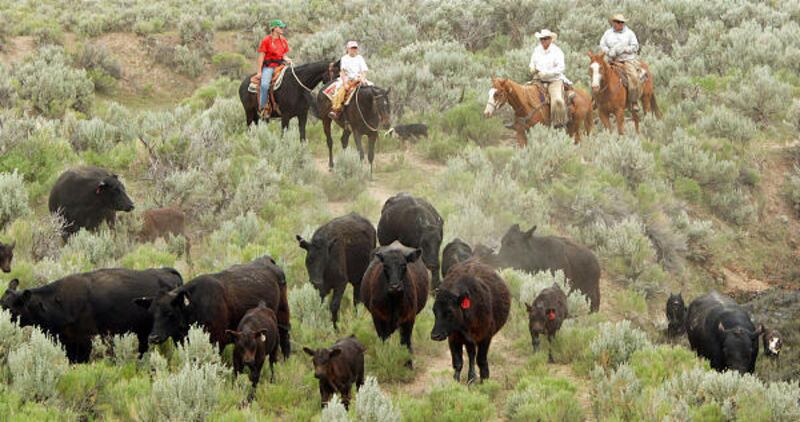
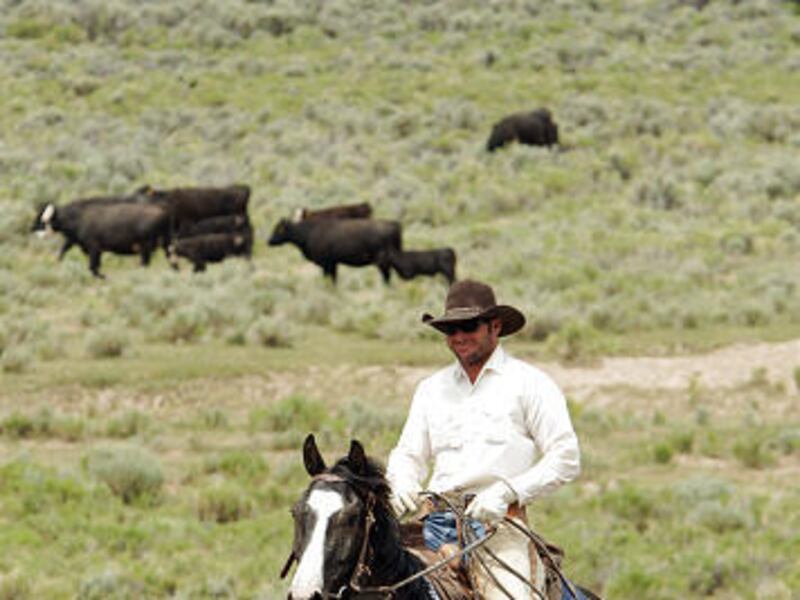
On this summer day, 35 riders move some of the combined 10,000-head herd that grazes in the range's four high-elevation pastures. The brothers and 20 other ranchers run a cooperative cattle company started by the previous generation.
Burdette Weston, 56, points out who owns each cow or calf, based on brands, tags and ear-cropping. "That one's Sim's," he says while cruising a dirt road in his pickup. Others belong to Norm, Monty or Seth.
Dust clouds show cattle moving up and over ridges to a new pasture. They avoid a cluster of buildings and pipes in the middle of the range that is Chevron's active gas operation and BP's, now being dismantled. The ranchers and oilmen get along fine on this largely public land controlled by the Bureau of Land Management.
Once an adversary, the BLM is now an ally against the Western Watersheds Project, which presses lawsuits throughout the West with the goal of ending grazing on public land. WWP says ranching destroys the environment and benefits from a monthly grazing fee, $1.35 for a cow-calf pair, that is "woefully below market value."
The ranchers and BLM point to data that show vegetation and wildlife are thriving under a management plan that calls in part for occasional sagebrush burns and rotating the cows among pastures.
It's not like in the movies. There are no thundering herds of thousands nose to tail. Instead, it's a two-week process of rounding up stragglers and wanderers, trying not to "bum" a calf (let it separate from its mother) and prodding them slowly but surely to the next step in the circular path.
Dustin makes monthly visits to 35 farms and ranches in Box Elder, Rich, Cache and Morgan counties. Besides financial advising, he shares information on gene-mapping, ID tagging and anything else to give them an edge. Similar programs at UCAT's Uintah Basin campus and Snow College help fill the gap left by cuts to Utah State University Extension programs.
"Anything they come up with year by year, in our situation, it really improves it," Burdette Weston said.
The UCAT program, offered at $200 a year, has come under scrutiny for its low tuition. If the normal $1.50 hourly rate applied, it would cost $800. Dustin says most of the families he helps would drop out. At a recent meeting, the UCAT board of trustees renewed the low tuition but warned it would be reconsidered each year.
Dustin believes the public, with its complaints about agricultural "welfare," doesn't understand or appreciate where its food comes from. In any case, his "students" aren't profiting from the assistance.
"We're pushing our ranching community further and further into debt," Dustin said.
He has put more farmers on government loans in the last two years than in the previous 25 years combined. If they can't service those loans — which come with lower rates but more restrictions than private ones — it's the end of the line.
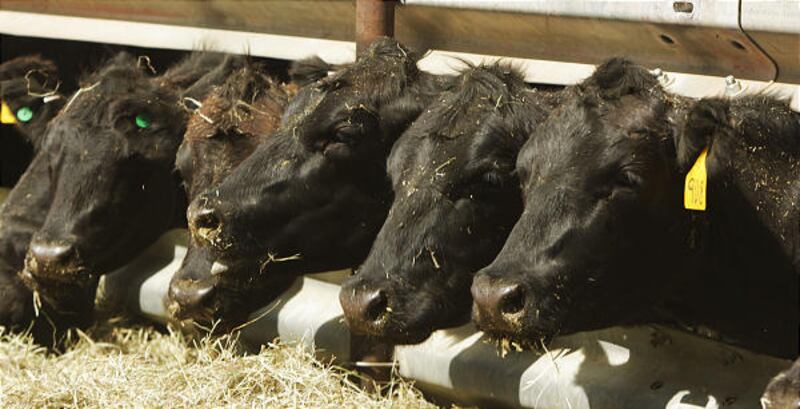
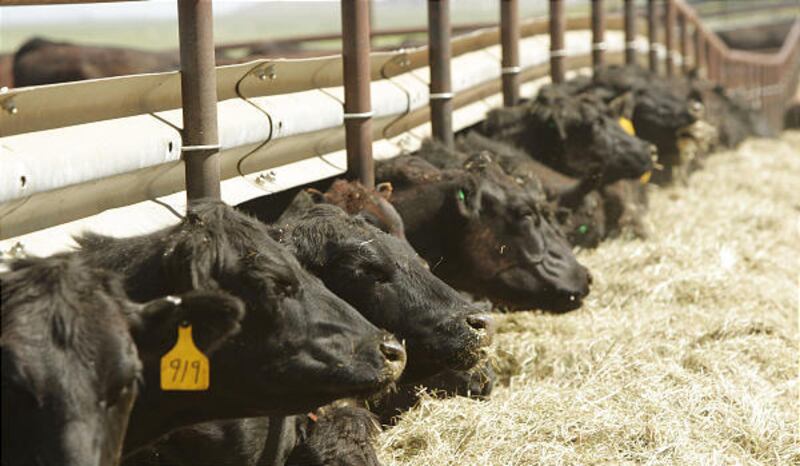
The brothers have tried to boost their numbers by wintering cows in Tooele County and adding summer pastures in Soda Springs, Idaho. Burdette Weston pads his margin by feeding leftover hay to his neighbors' bulls in a steel-reinforced pen.
But expenses crop up constantly: $200,000 for a tractor, $140,000 for his sprinkler system's pump and power line. While beef prices have barely changed since he graduated from USU in 1978, operating costs have gone up 40 percent.
His grandfather's grandfather settled next to nearby Bear Lake in the 1860s. Now, the brothers wonder if their children will stay.
Burdette Weston, slowed by a knee replacement, is passing his operation to his son, Robert ("R.B."). "I want to have it where when I turn it over to him, it's not in a distressed situation." His goal is to own all his land outright in 10 years, and in the meantime, to teach a work ethic to the next generation.
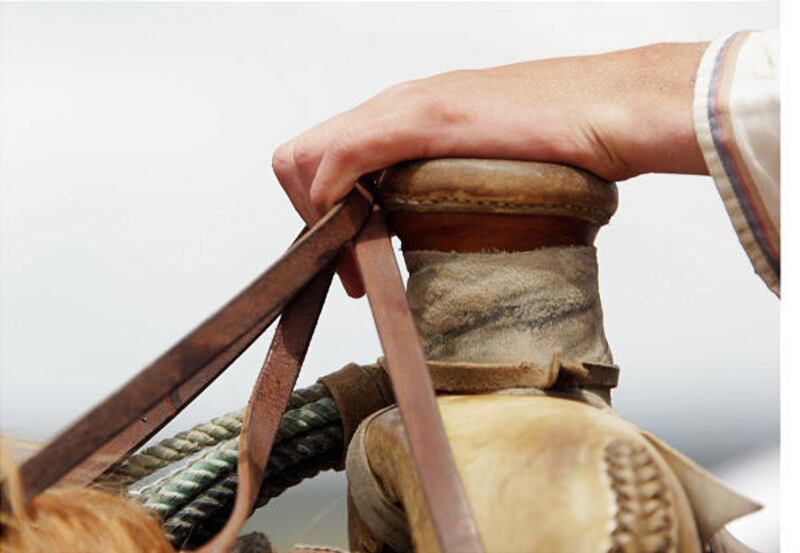
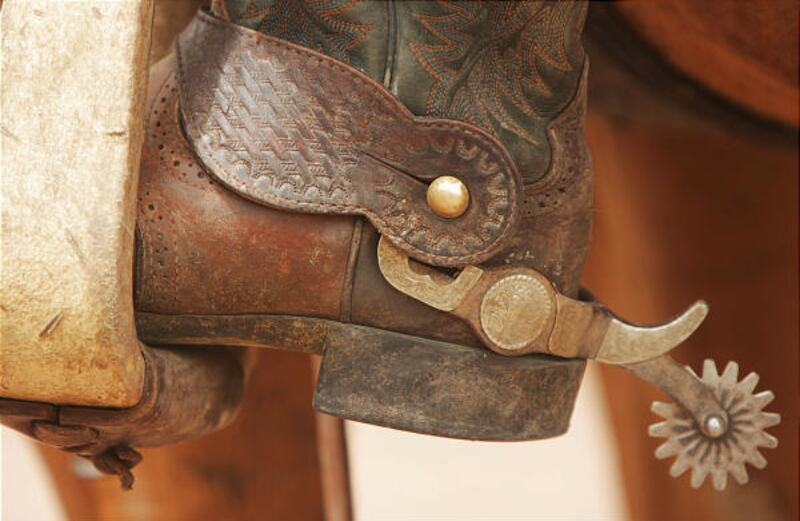
"What people don't understand," Burdette Weston said, "is that ranching isn't being a cowboy. Ranching is a business."
e-mail: pkoepp@desnews.com