

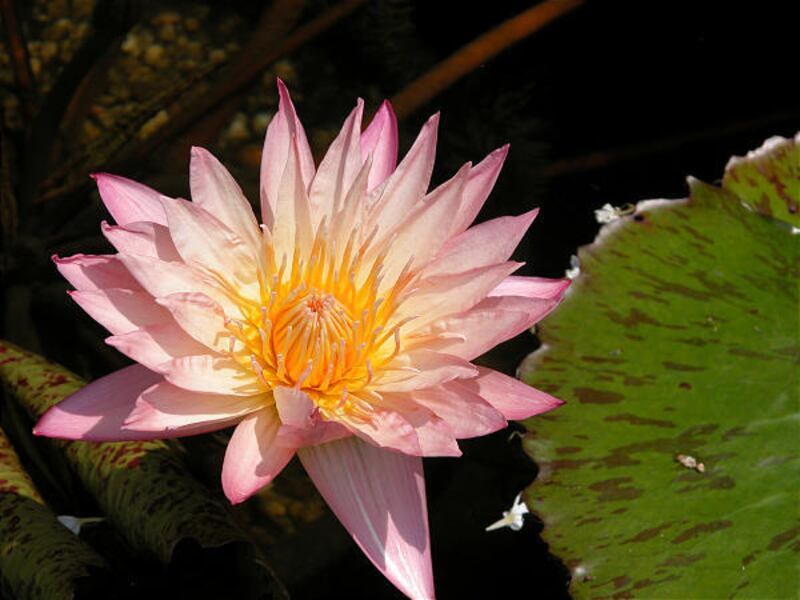
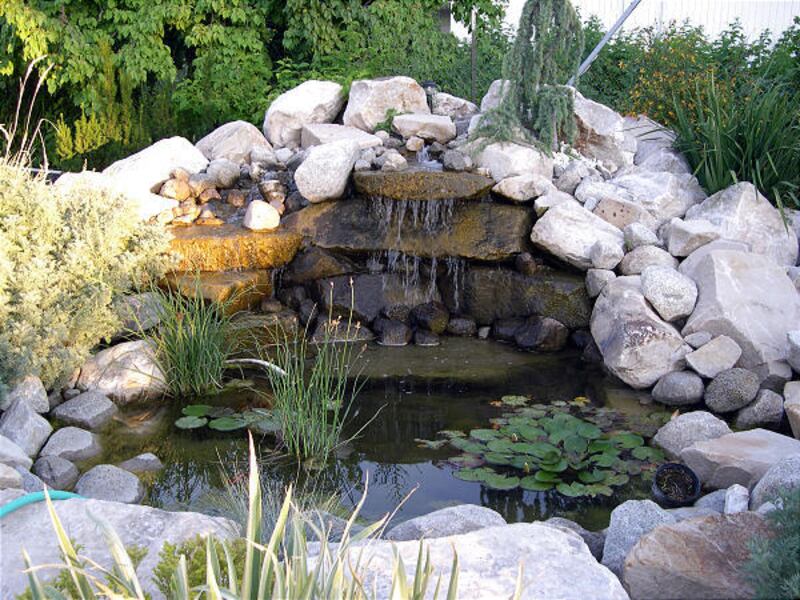
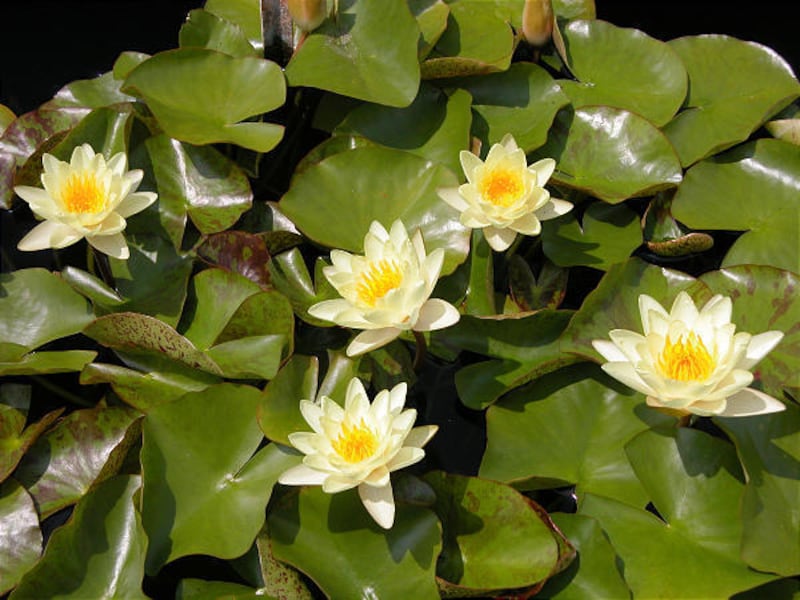
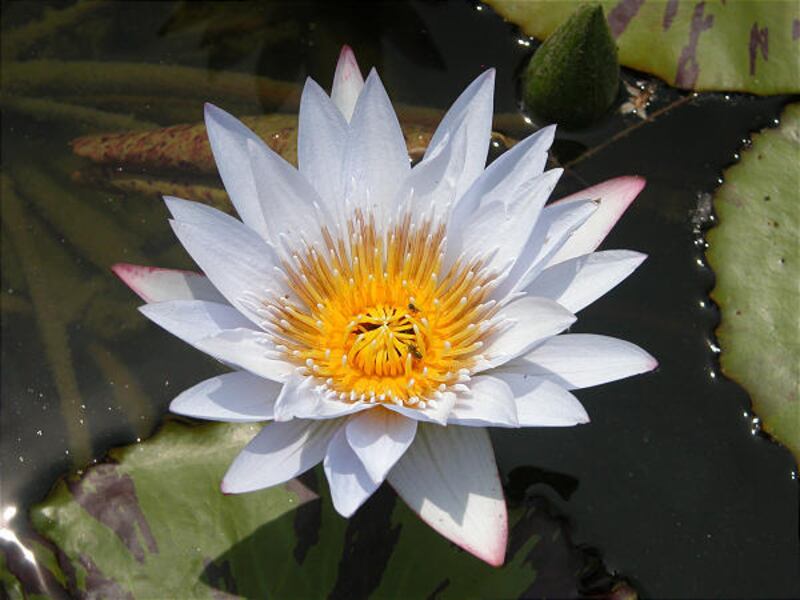
Whether they are growing by the hundreds in a pristine mountain lake in the high Uintas or there's just a couple in a backyard pond, I have to admit that I have always been fascinated with water lilies.
Few plants rival them, and it is delightful to see them spreading their leaves across the water and producing their exquisite blossoms.
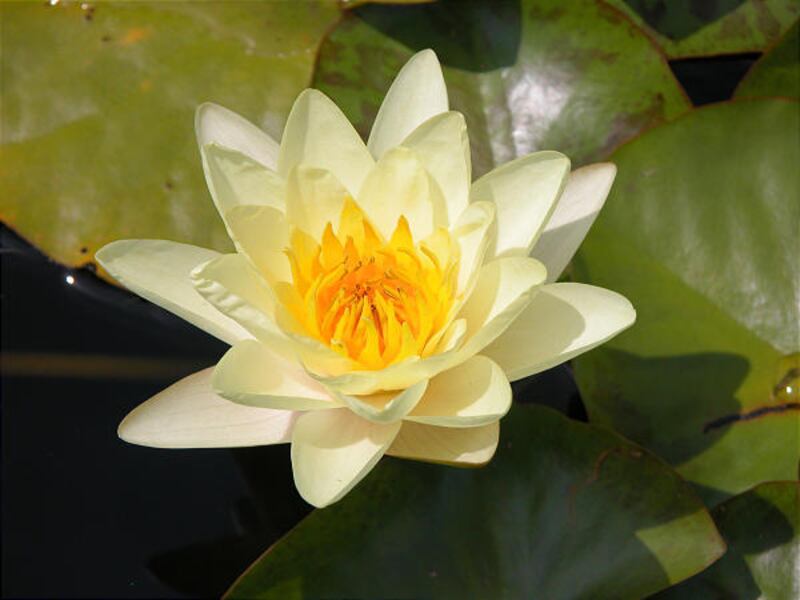
The yellow pond lily (Nuphar polysepalum) is considered Utah's only native water lily. Its 3-inch yellow flowers are not fragrant. The Ute Indians used the roots of the plant as a medicine.
Another water lily, Nymphaea odorata, more commonly known as "American White" water lily, is also found in waterways in most states. It too was used in traditional medicine.
While not everyone has a backyard pond, everyone can appreciate these great plants. As water gardening becomes more popular, water lilies are growing in more places. While their beauty is stunning, these versatile plants also have many benefits in the aquatic environment.
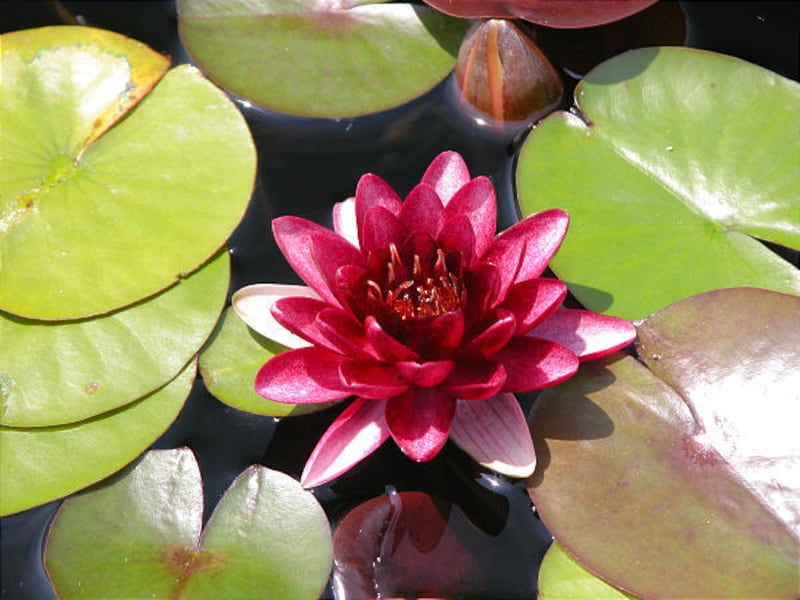
Few water plants have flowers that compare with these dazzling treasures. Look for yellow, white, pink, red and lavender colors to add to your pond. In addition to flowers, the leaves provide the perfect backdrop to the blossoms.
These plants can be used to shade and protect fish in your pond. They shade the water and help keep algae from overtaking the pond. They also help keep the pond aerated.
When considering water lilies, remember they are divided into two broad categories.
Hardy types will overwinter successfully in ponds in Utah with some care.
The tropical types are tender and are grown as annuals or lifted and stored in a frost-free area for the winter.
For the best growth, and to best discourage algae growth, select a sunny location in your pond. The plants prefer calm water, so locate them away from waterfalls and splashing water so the foliage and blossoms stay clean and undisturbed.
In lined or preformed ponds, grow all water lilies as potted plants.
Most well-designed ponds are formed or created with shelves to facilitate these and other aquatic plants.
Most hardy types prefer water that is 18 to 24 inches deep so they can survive the winter.
Plants are available as potted plants or as unpotted rhizomes, which are underground, horizontal stems. If you select the rhizomes, plant them in a large plastic pot before putting them into the pond. Add some extra holes to the pot to allow the water to move freely through it.
Ignore the recommendations I usually make for using a lightweight soil-free mix in pots and go find some heavy silt or clay-type soil that would normally fill the bottom of a pond. For most of us who live in the bottom of Old Lake Bonneville, that is right outside our door.
Lightweight mixes will float out of the pot, create a mess and clog the pond filters.
Plant the rhizome with a bud — also called an eye or offshoot — near the top. Do not cover the bud. Direct the rhizome at an angle so the growing point is directed toward the center and at a slight angle. This centers the plant in the pot and makes the pot less likely to tip over in the pond as the plant grows.
After the rhizome is in place, cover it with soil so the growing point is just above soil level. Add fertilizer tablets formulated for pond plants to the soil.
Leave 2 inches to 3 inches of space at the top and fill that with gravel or sand to stabilize the soil and prevent fish from digging into it.
Tropical lilies are planted the same way, except they are centered in the pot and are usually planted in much larger containers. They prefer relatively shallow water, 6 inches to 10 inches deep, and they prefer warmer water to grow and do well.
While hardy lilies can stay in a pond throughout the winter, some gardeners remove them and drain or winterize their ponds. Tropical types cannot tolerate cold, so do not put them back into the pond until the water temperature reaches at least 70 degrees.
Since the plants grow rapidly, fertilization is essential. In addition to the nutrients added at planting, most need monthly additions of fertilizer until August 1 at the rate of 4 ounces per cubic foot of soil.
There are many kinds of fertilizer available from local nurseries. But remember, overfertilization can lead to algae growth problems.
If you have an interest in these plants and want additional advice on how to grow them, join the Utah Water Garden Club. Many members of the club are showing off their gardens at their annual pond tour Saturday.
If you go
What: Utah Water Garden Club's annual pond tour
Where: various gardens around the Salt Lake area
When: Aug. 14, 9 a.m.-5 p.m.; Aug. 15, 10 a.m. to 5 p.m.
How much: $10
Web: www.pondutah.com
Larry A. Sagers is a horticulture specialist for the Utah State University Extension Service at Thanksgiving Point.