

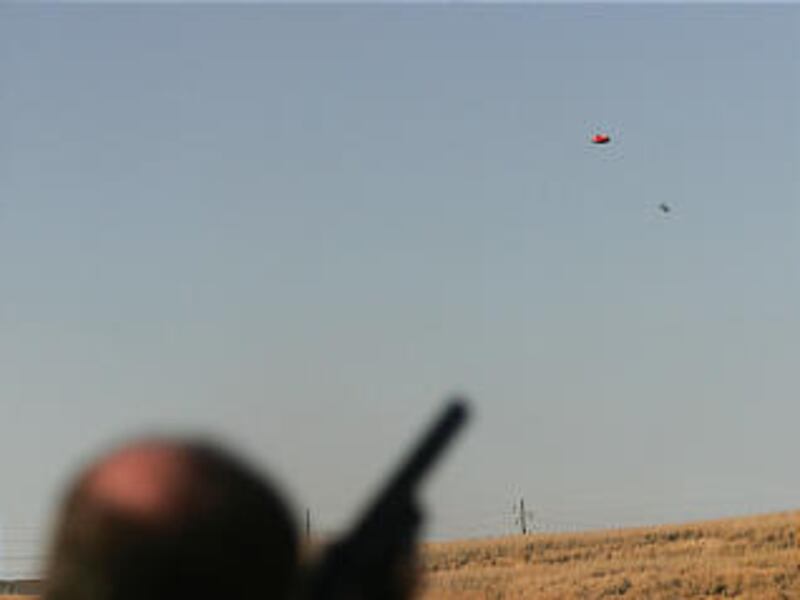
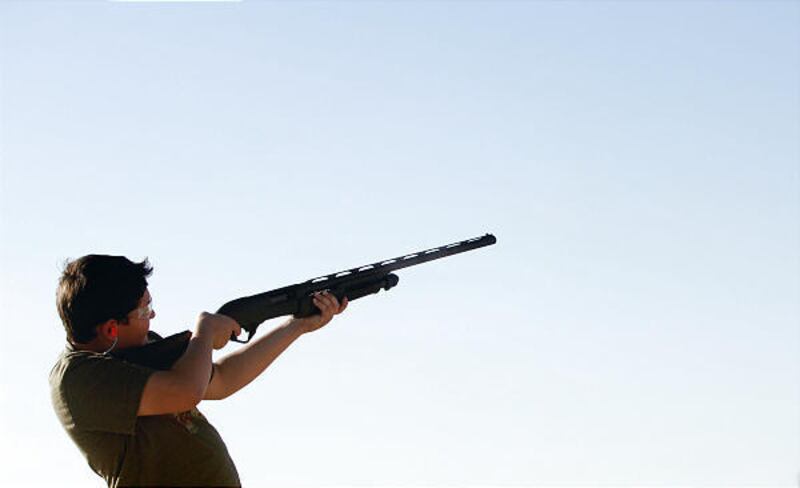
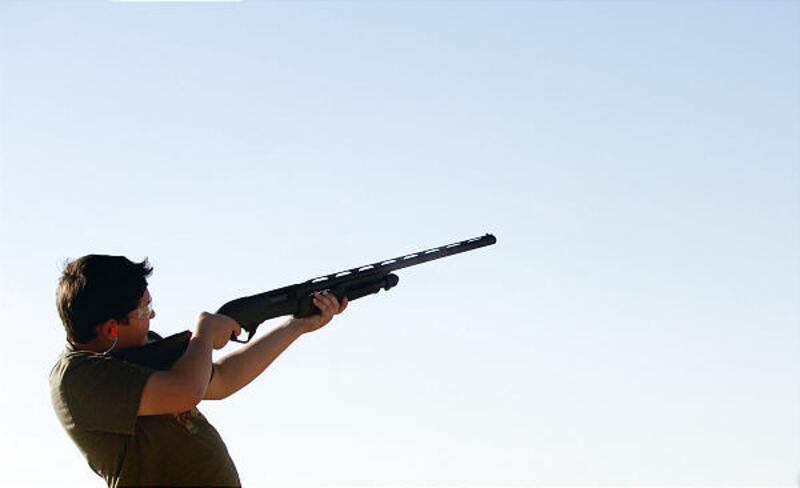
Point. Don't aim. Head down and eyes pre-focused. Then simply say the word, any word, loud enough, and the bird will take flight and a shot will ring out.
Point, focus and shoot, and hope the spray of BBs can at least take a chip out of the small clay disc.
That, in a shell casing, is trap shooting. Point, focus, shoot.
For some it's easy. For others it's nearly impossible, despite as many as 150 or more BBs out there looking for a 41/4-inch target.
But that's what makes trap shooting a sport. That's what draws shooters back to the trap line time and again. And, what brings out new, first-time shooters.
Fewer new shooters, however, are racing to the trap line these days. And, some longtime veterans are giving up the sport for now.
Trap, like some other shooting sports, is staggering. Participation is down.
Brent Epperson, assistant manager of the shotgun facilities at the state-run Lee Kay Center in West Valley, feels part of the reason for fewer shooters is the economy.
"Things simply cost more … gas, shells, equipment. Also, like other shooting sports, we struggle because some people have a tough time with guns. They equate shooting with killing, when it's not true," he said.
"There's a huge number of people who shoot recreationally. But there are those who think because you own a gun that there's something wrong. That's not the case. Shooting trap is like so many other sports in that it's fun and competitive, and that's the message we'd like to get across."
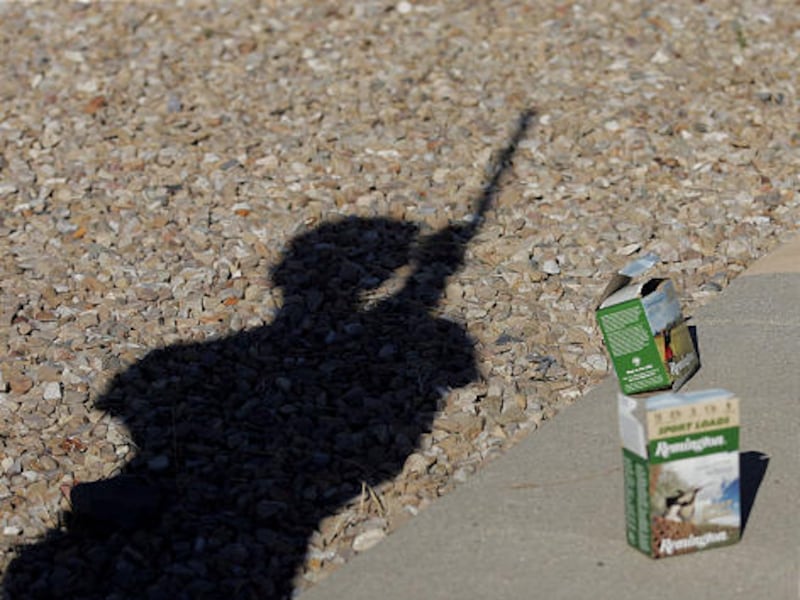
But money is tight and costs have risen. A box of 12-gauge shells that cost around $5 today would likely have been between $2.75 and $3 two and a half years ago. Higher-end shells can cost upwards of $10 for a box of 25 shells. The cost of the clay pigeons is also up, as are maintenance costs.
There is still a strong following of avid shooters and some new shooters, though not trickling into the sport as fast as they were a few years back. In the late 1990s, for example, trap was one of the fastest growing shooting sports in the country.
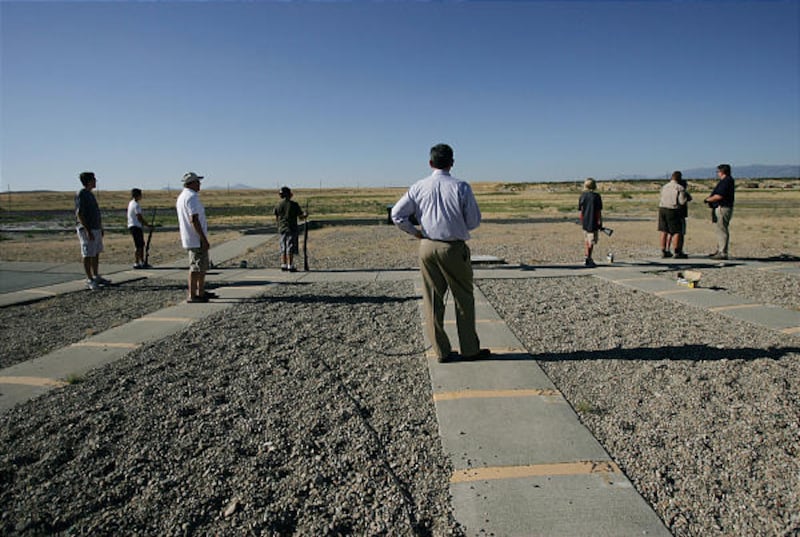
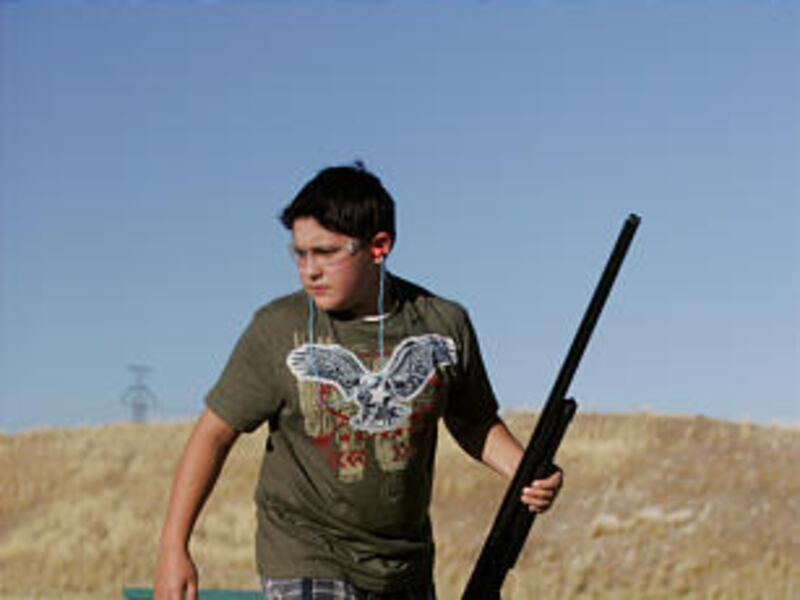
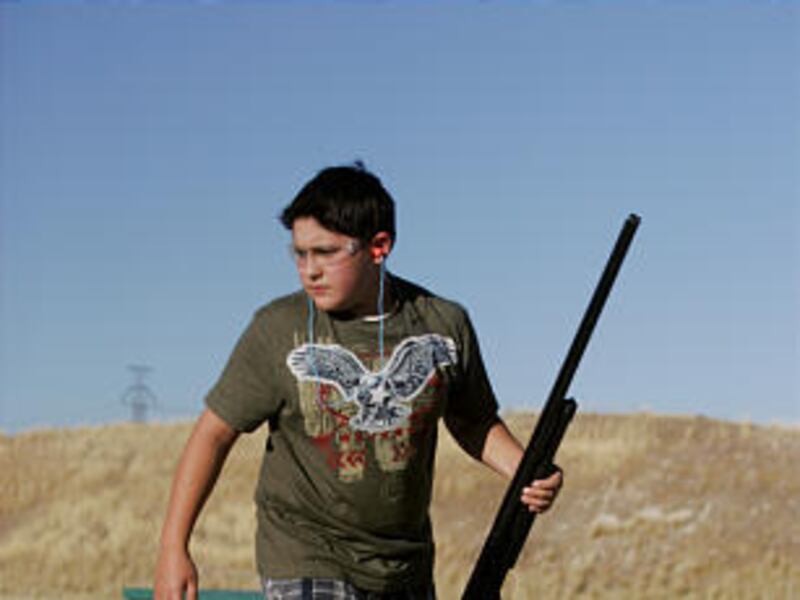
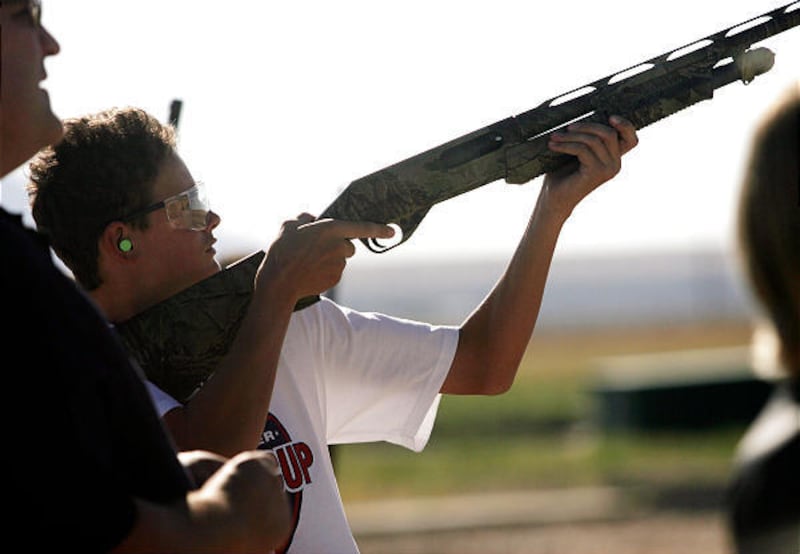
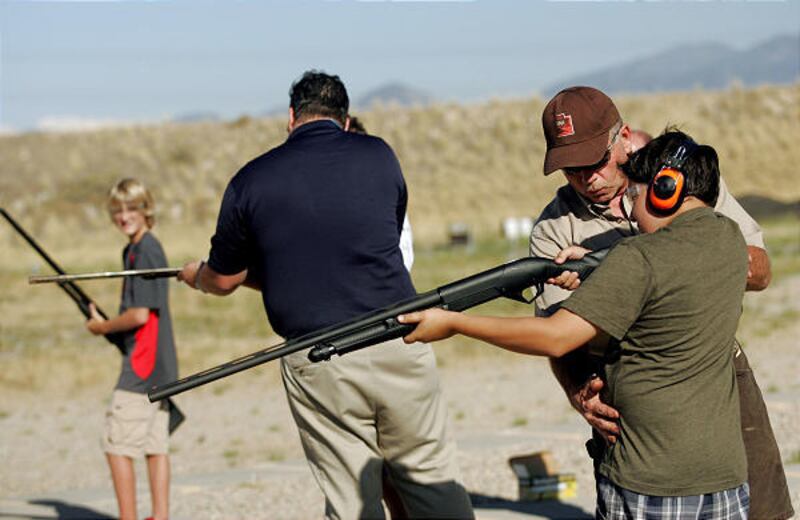
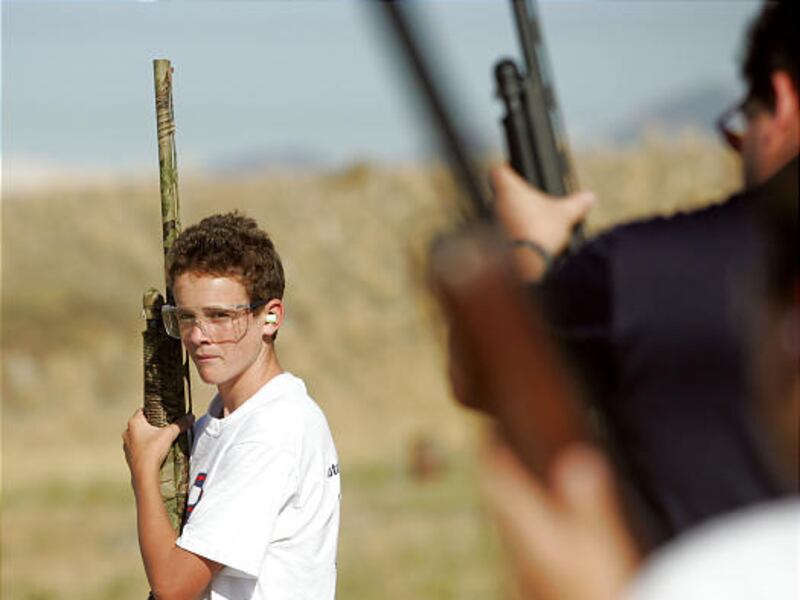
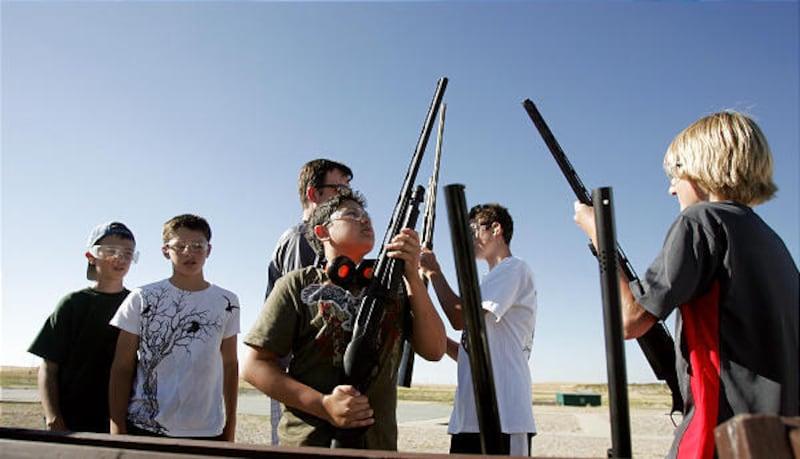
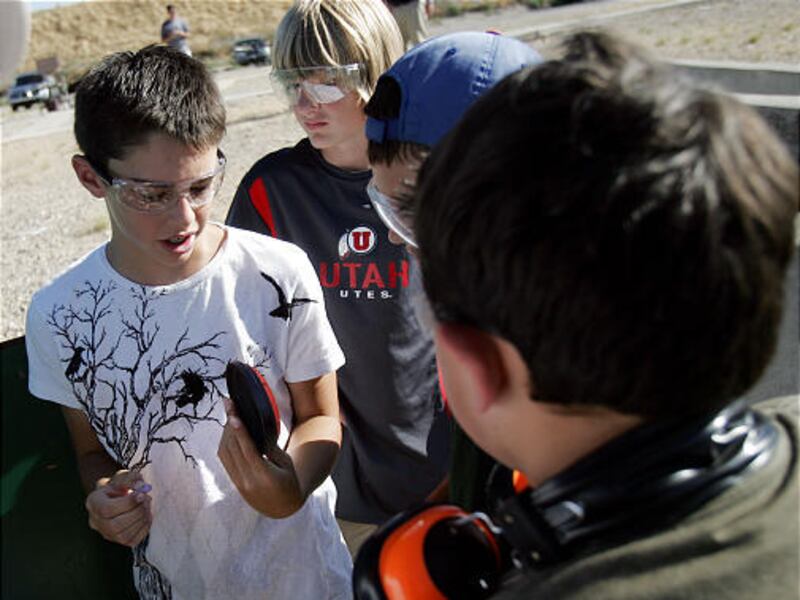
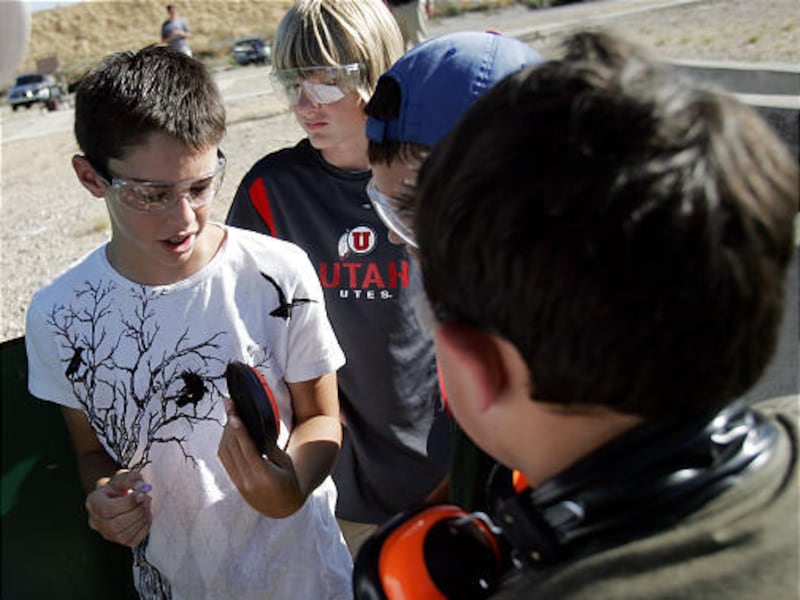
Last week, five boys — Shawn Salazar, Max Warner, Josh Barlow, Bryce Bollinger and Conner Grass — and advisers — James Warner, Jeff Clark and Shawn Salazar — went for Scouting's shotgun merit badge at the center. To pass, each needed to break 7 of 25 targets.
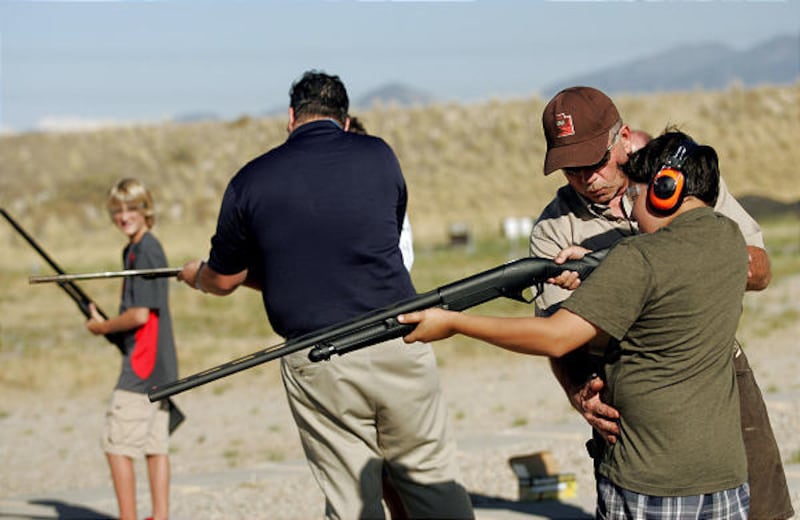
With the help of Russell Sapsford, instructor and assistant manager at the center, all newcomers dusted targets. Some hit more than others. Some were more consistent. Advisers did only slightly better. Consensus was trap was more difficult than good shooters made it look. But, it was fun and most wanted to try again.
The group was typical of most young shooters in that some took shooting more seriously than others.
"That's just the way it is. Some get into (shooting) more than others. The idea is to have a good time. I encourage young shooters to come out and I try to help them get a feel for shooting," said Sapsford.
Things like stance, weather conditions and technique are all important, "but I try to get them to concentrate more on the target and how to hold the gun and how to look at the target. It's not like shooting a rifle," he said.
The first mention of trap shooting appeared in an English publication in 1793. The first shoot in the United States was in 1831 in Cincinnati, Ohio, and involved shooting live pigeons and sparrows as they flew out from under a silk top hat. The hat was then replaced by a box with a sliding lid that "trapped" the birds. This was followed by glass balls filled with feathers thrown from something that resembled a catapult. In 1880, shooters started busting clay targets.
There are three elements to trap shooting — singles, shot from 16 yards behind the trap house; doubles, shot in pairs from the 16-yard line; and handicap, shot at varying distances, from 16 to 27 yards, depending on the shooter's ability level.
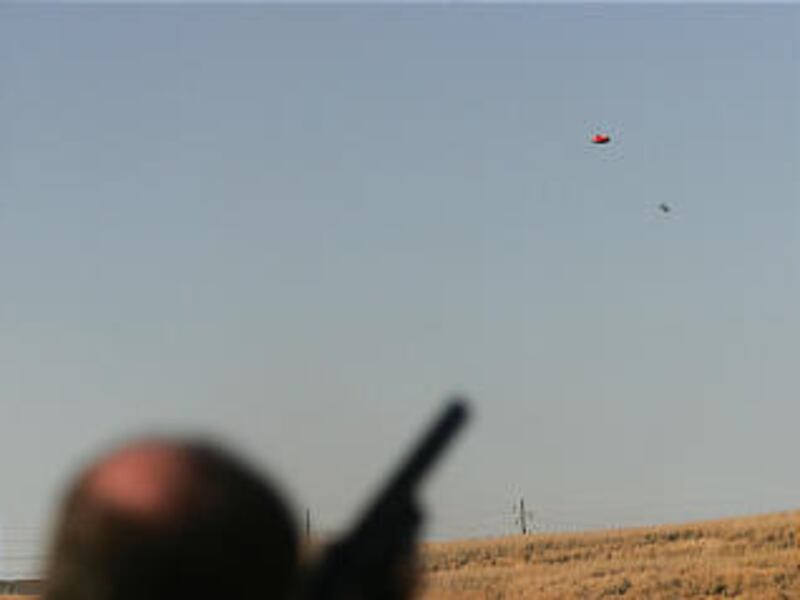
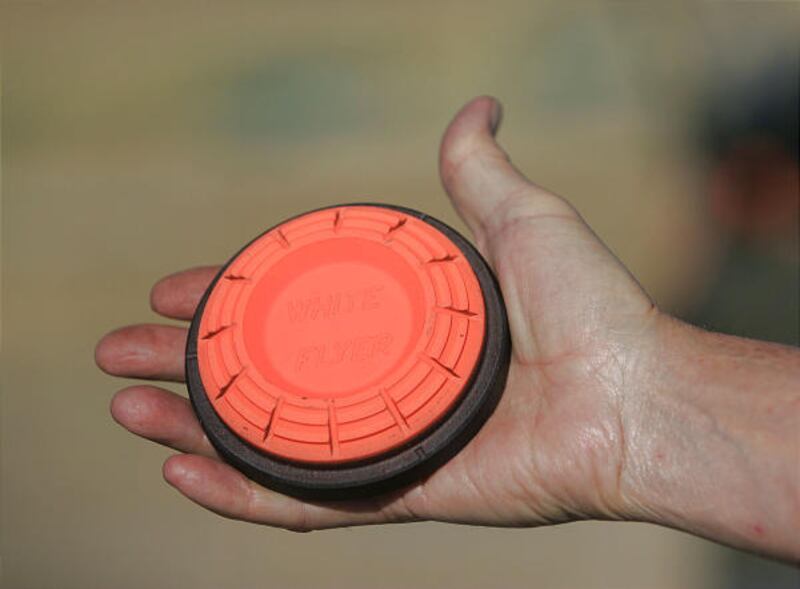
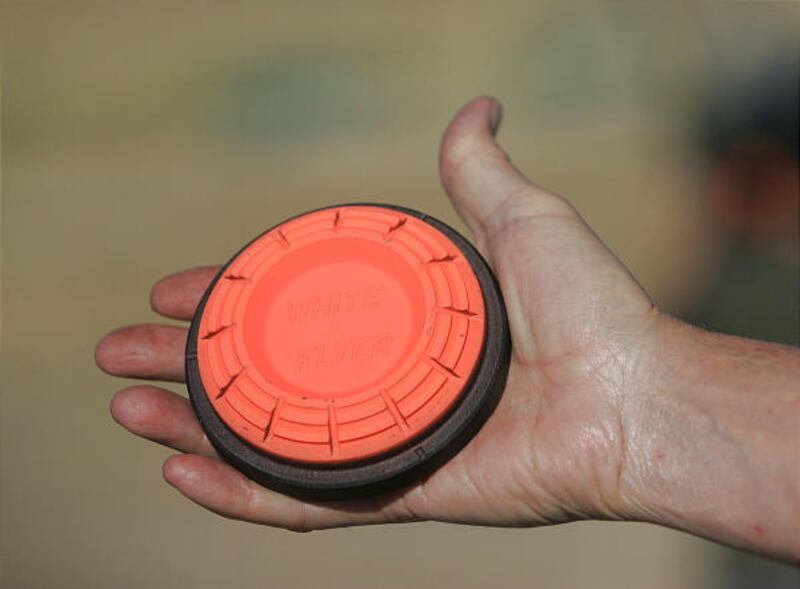
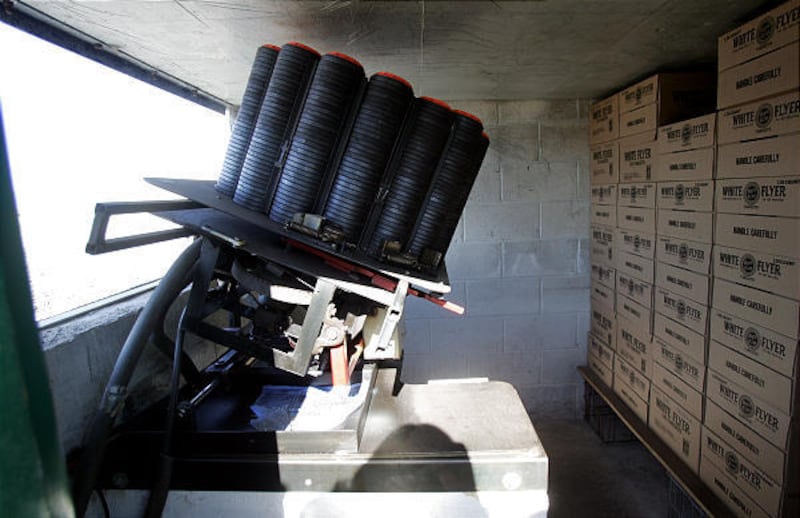
Today, birds are thrown from a mechanical machine that can hold upward of 700 clay targets. These small black discs with neon tops are thrown, at random, anywhere within a radius of 44 degrees for a distance of 48 to 52 yards. This puts the element of unpredictably into shooting.
The clay pigeons leave the trap house at 42 miles per hour.
To get a target the shooter simply has to say the "word." Tradition calls for the shooter to shout "pull." Any single word, however, will do.
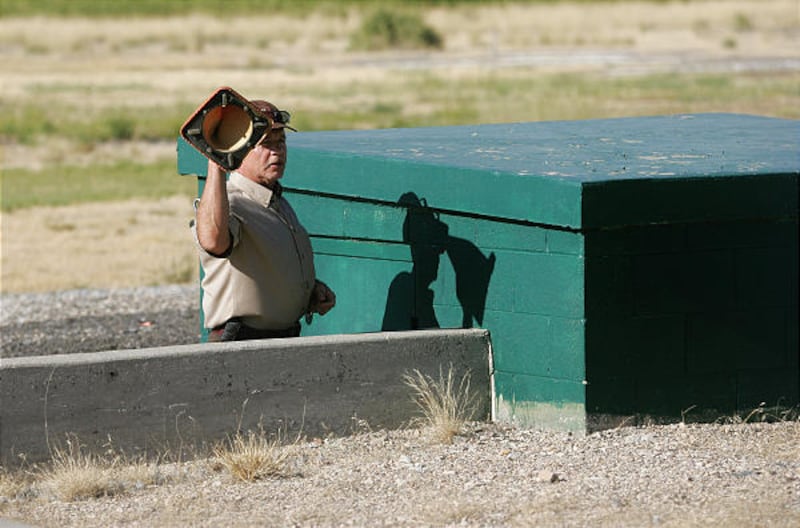
And that, said Epperson, is the biggest improvement and the main reason for higher scores and better shooting today. In the past, clay pigeons were called for by the shooter and a "trap boy" pushed a button. There was an inevitable lapse between the word and when the pigeon flew.
"I would say the voice release is the single biggest improvement in trap shooting because it takes human error out of shooting. Instead of waiting for someone to push a button, the target comes out immediately," said Epperson.
Just west of the 16 trap houses at the Lee Kay Center are four skeet stations. Skeet is similar to trap in that shooters use shotguns and shoot at clay discs. The flight of the disc, however, is very different.
In skeet, an American sport introduced in 1920, there is a high and low house and eight shooting stations. Clay pigeons fly at the same angle, one from the high, one from the low and then a high and low at the same time.
A third shooting sport is called sporting clays, which is intended to simulate field shooting. Shooters are presented with a range of targets intended to duplicate the flight pattern of different bird and a rolling target to represent a running rabbit.
Epperson said work is in progress to put in a "five stand" sporting clay course. There will be five stations to shoot from and between six and eight throwers that will throw a combination of targets.
The center is open Wednesday through Sunday. A round of trap, 25 targets, is $5.
Trap shoot is, as he noted, a sport for all ages, incomes and ability levels, and the close access to the Lee Kay Center (just five minutes from downtown Salt Lake City), and other shooting centers around the state, make it convenient and, as the young boys and advisers discovered, fun.
For information on the Lee Kay Center and other shooting centers visit www.utahtrap.com.