

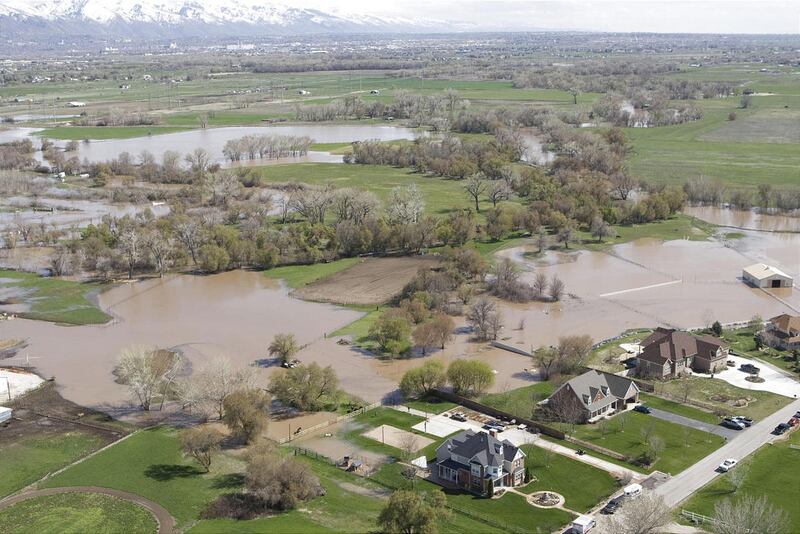
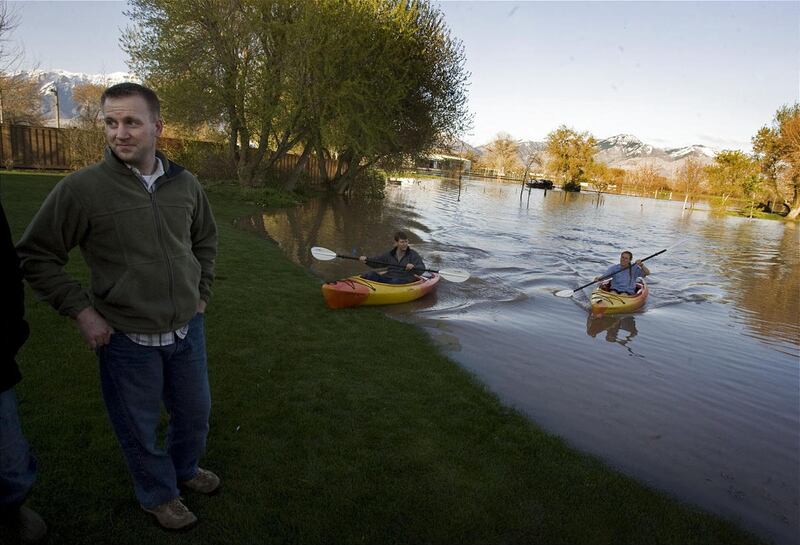
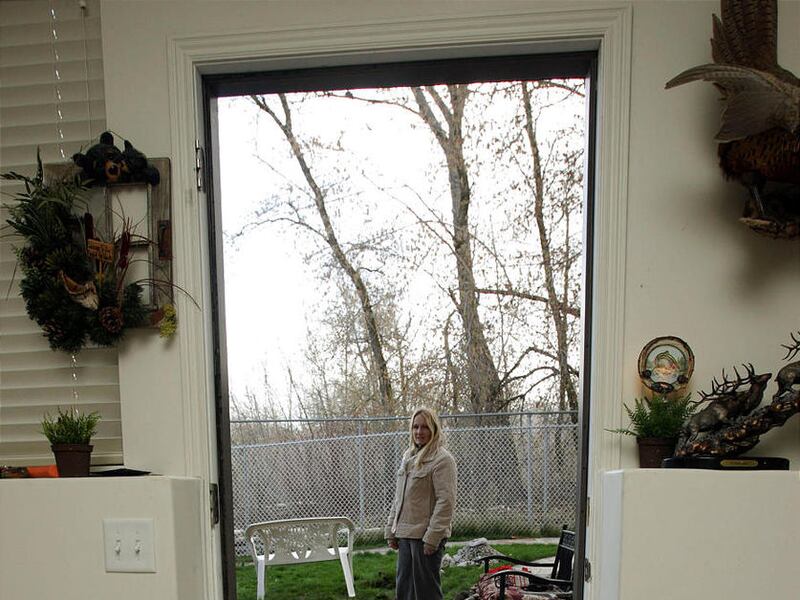
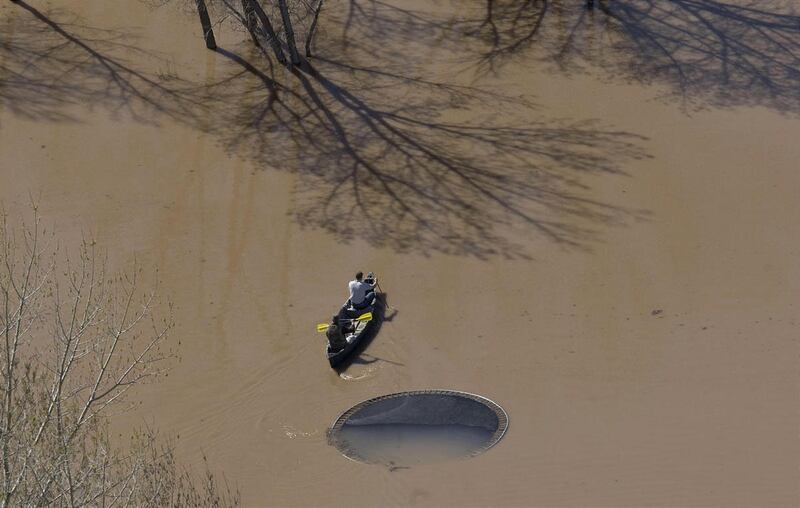
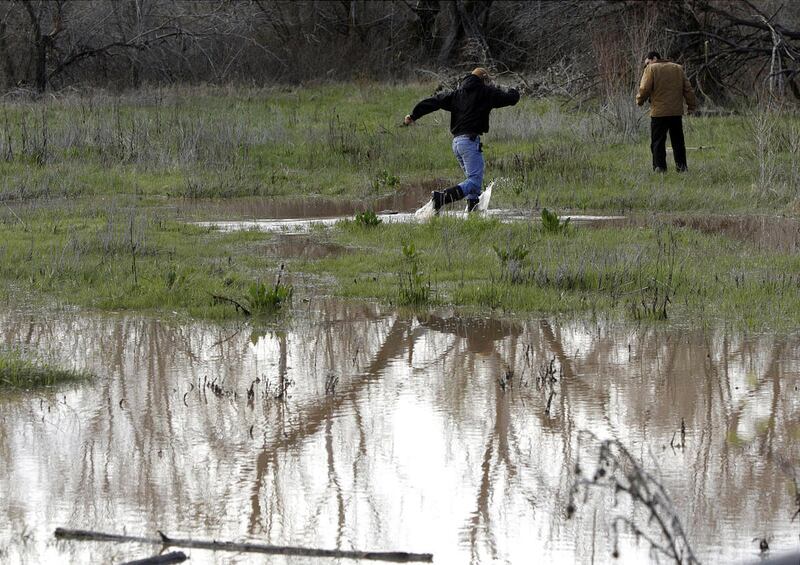
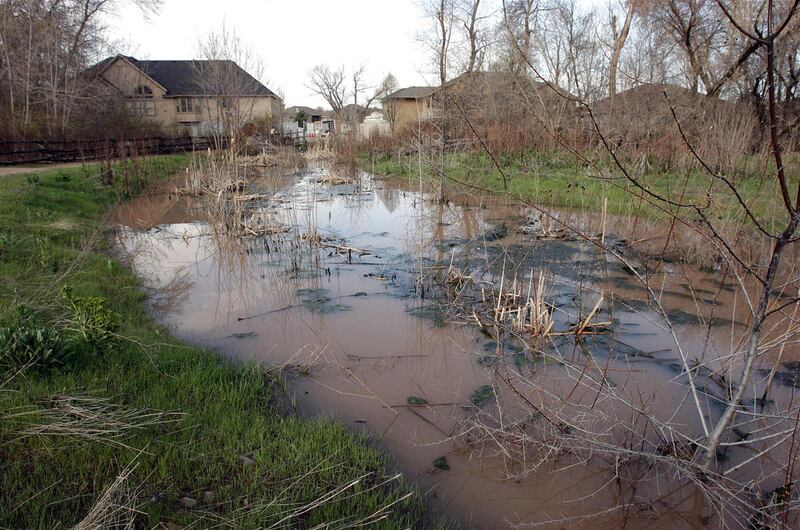

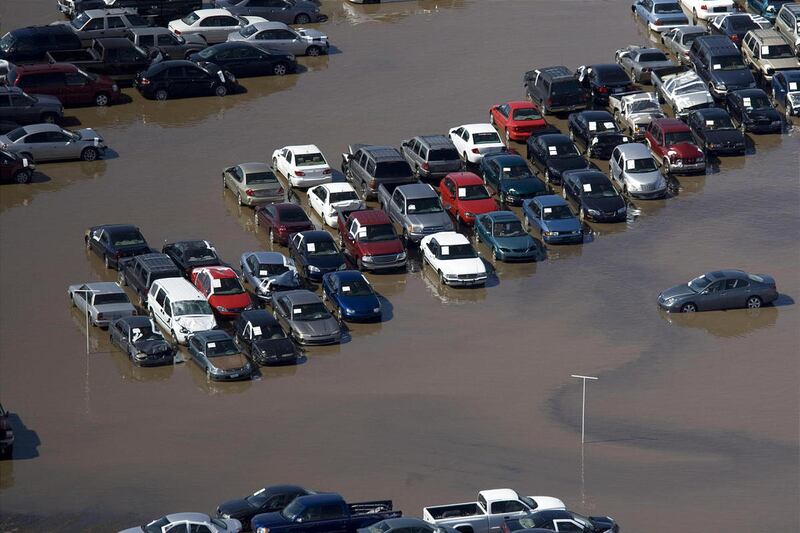
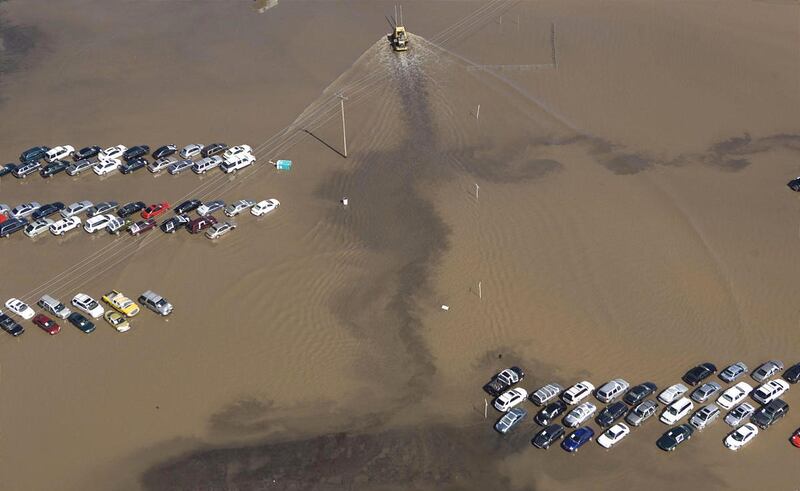
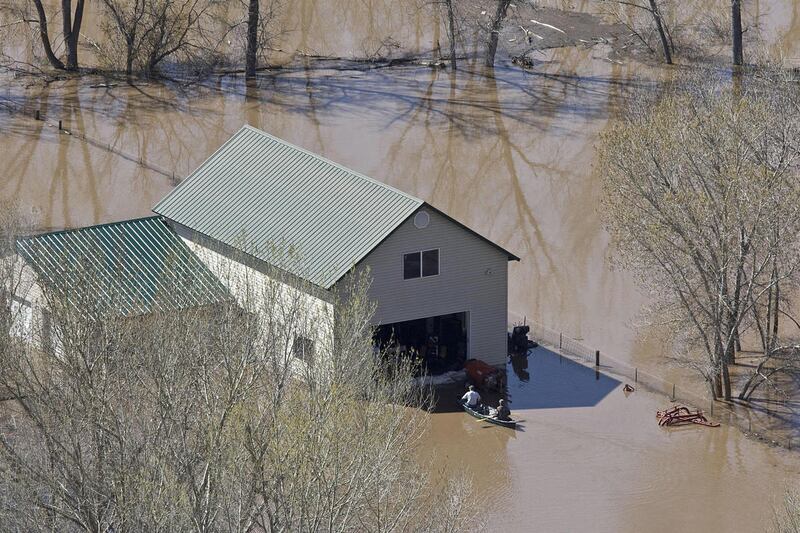
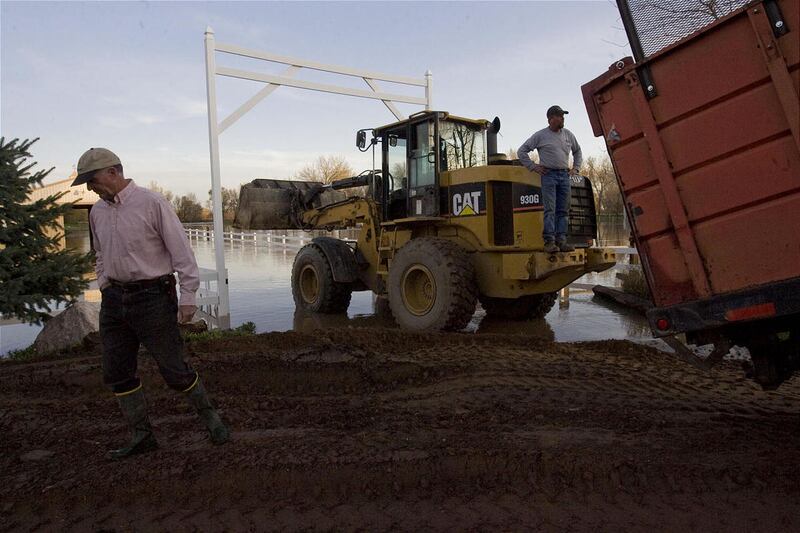

MARRIOTT-SLATERVILLE, Weber County — Multiple levee breaches along the Weber River in western Weber County ramped up flood prevention efforts Tuesday in several communities, where more than a dozen homes are at risk at being swamped with water and backyards are sporting canoes.
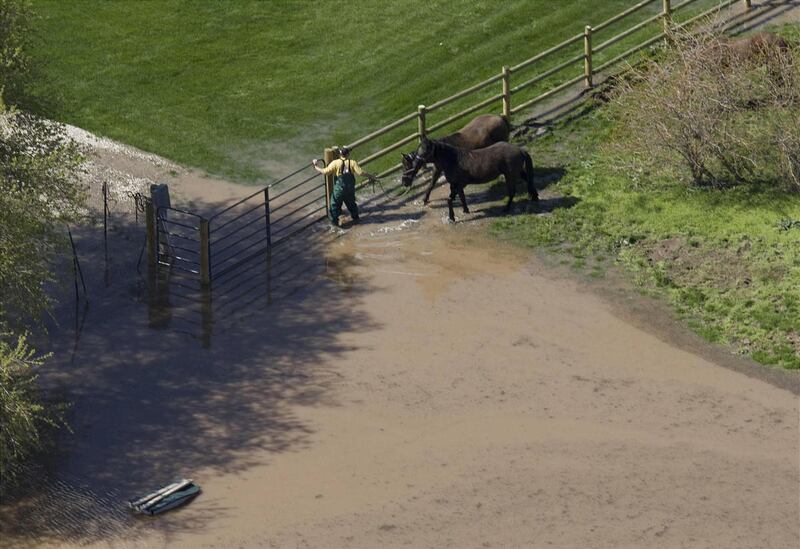
Several farm fields were flooded from what has turned the main breach into a 100-foot wide gap, where "an awful lot of water is coming unimpeded," said Weber County Commissioner Kerry Gibson, who is also a dairy farmer in Plain City.
Gibson was still on the scene of the flooding late Tuesday night, describing homes that were surrounded with a lake of water.
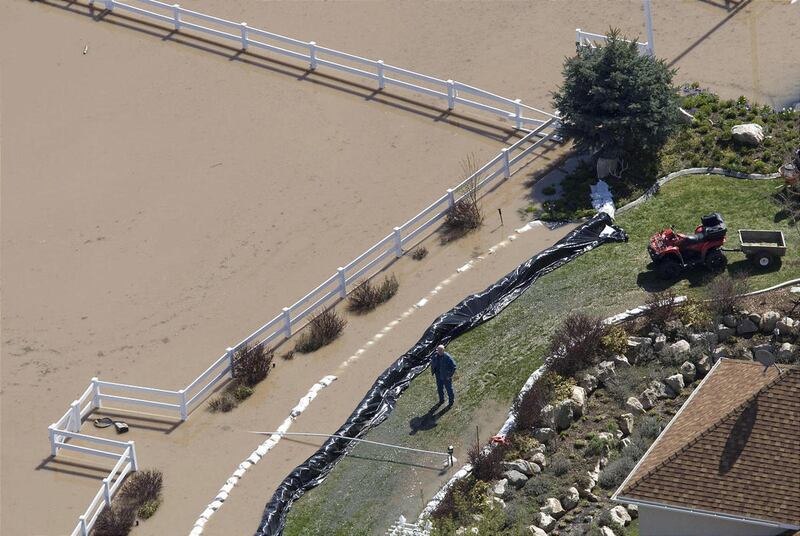
"They look like castles with a moat built around them," Gibson said.
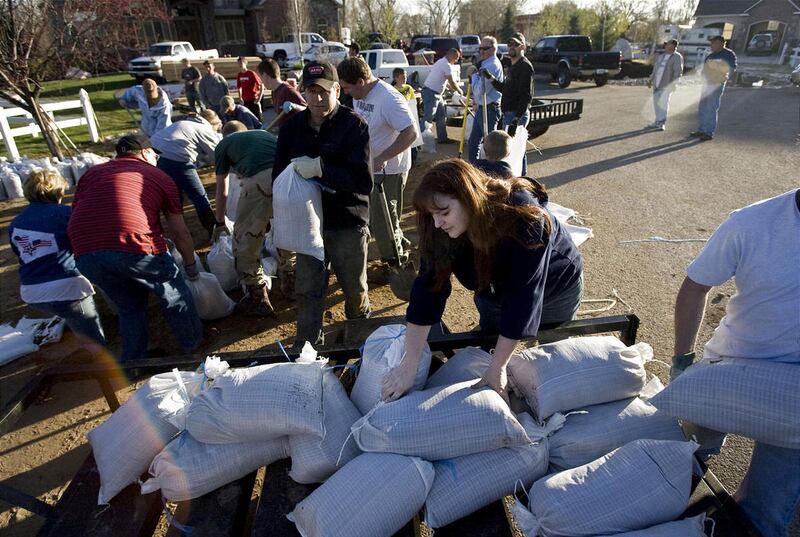
Sandbagging efforts were proving successful, however, in keeping the water at bay and from damaging the homes.
"It's been a valiant effort," he said. "The sandbags are in place and doing their job."
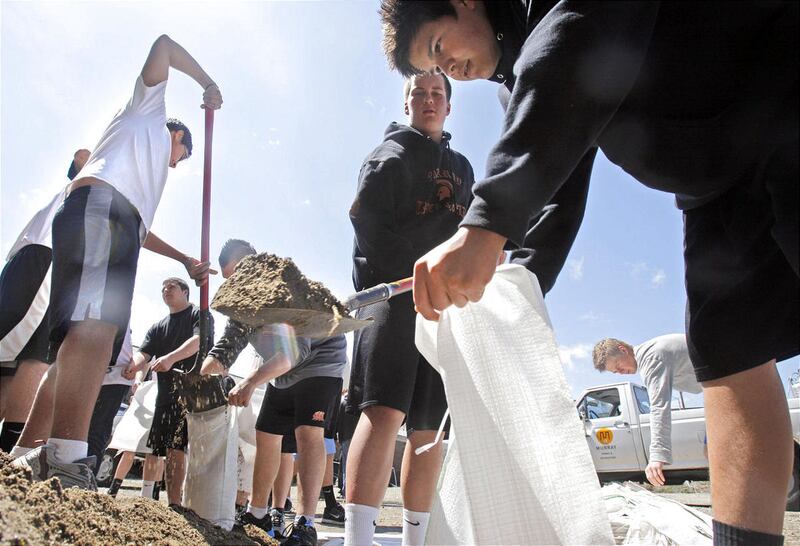
The effort has been assisted by the dozens and dozens of people spontaneously showing up to help, offering the use of trucks, trailers, backhoes and other heavy equipment to stem the tide.
While multiple outbuildings such as sheds and corrals have suffered significant damage, Gibson said no homes had been severely compromised by the flood.
His own neighboring dairy farm has acreage that is underwater, but Gibson said his attention is focused on the fate of residential structures.
Gibson said the breach was first detected sometime early Tuesday afternoon. It followed sandbagging efforts through the morning and Monday night, said Weber County Emergency Services Director Lance Peterson.
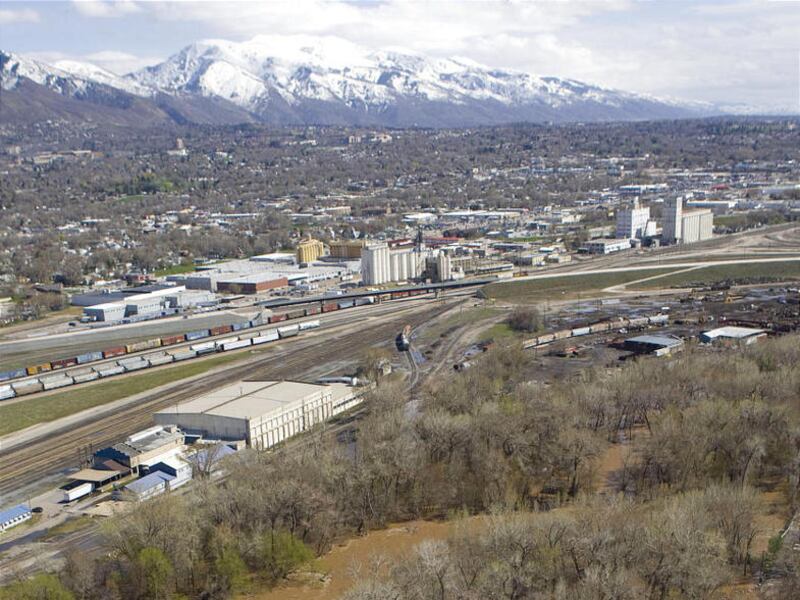
Many of the impacted areas are off west 21st Street past 1900 West, where the Weber River hit flood stage and crested its banks Monday night.
By Tuesday, its levels had receded and emergency officials thought the worst of the danger was over. Gibson said that the levee did not hold, however, and the water began to spill. Soon, other, smaller breaches began to follow.
"It's almost like playing Wack-A-Mole," with one problem being pounded down just as another popped up, Gibson said.
"We're trying to save what we can."
Crews were staging at 4700 West and 950 North to stop the water's flow, Gibson said, but it has been a daunting task.
"It's been huge effort," he said.
Water managers at the Weber Basin Water Conservancy District — who control reservoir flows into the Weber and Ogden rivers — have been reducing water releases from Pineview and Echo over the last several days.
"They are to be commended. If they had not done that, it would have been 10 times worse," Peterson said.
Still, it was not enough.
Significant rainfall was the enemy Monday, bringing an estimated 10 inches of "new water" out of the snowmelt and into the Weber River, causing it to spill from its banks.
"It was a huge amount of water," Peterson said. "If it had just been 1 or 2 inches of rainfall, we could have handled that."
Gibson said the county may soon turn to other entities for financial help and other assistance.
"There are significant infrastructure challenges we have had to deal with," he said. "We are going to have to have some help; we don't know where it is going to come from."
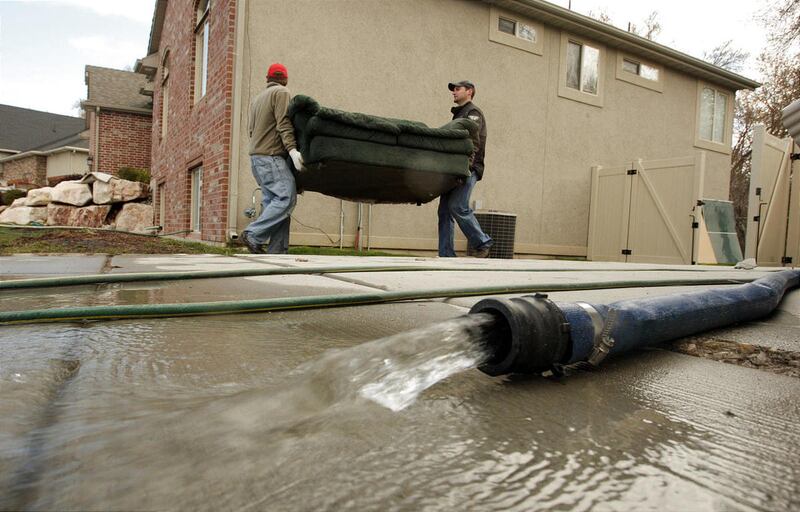
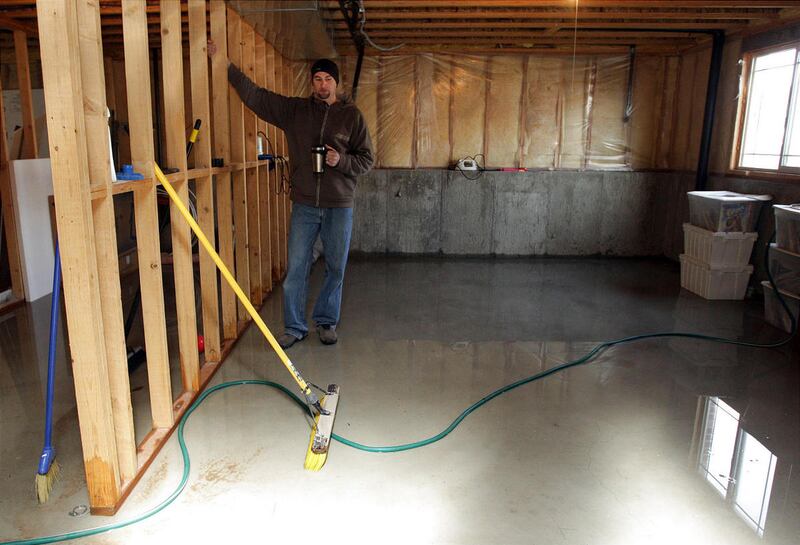
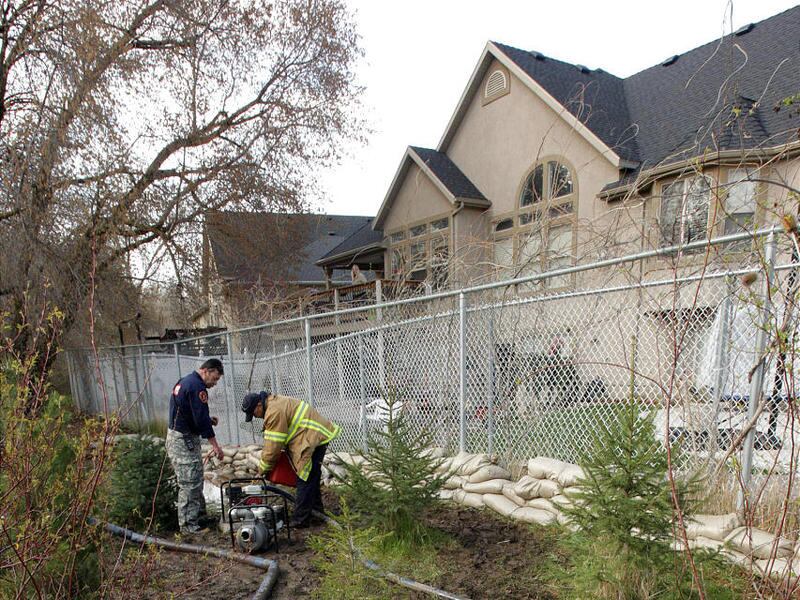
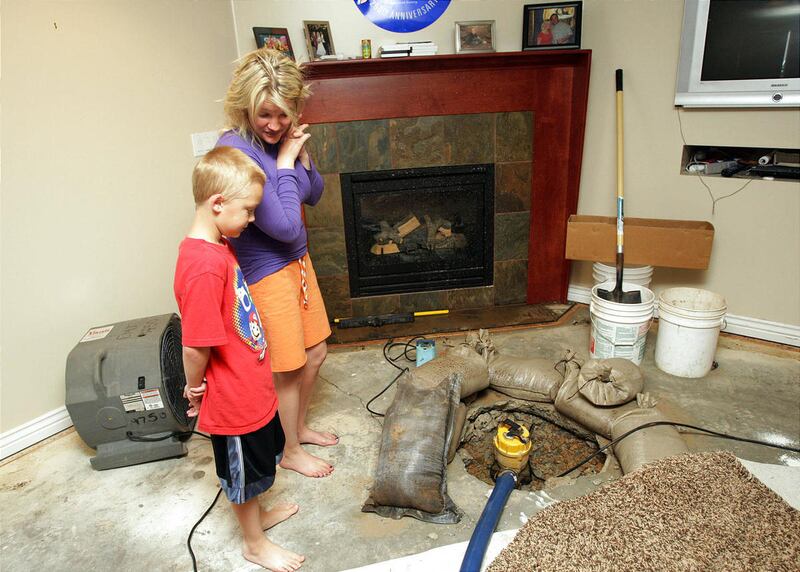
Elsewhere in Weber County, Riverdale crews continued their work to counter flooding brought on largely by groundwater getting into the basements of several homes. Riverdale Fire Chief Doug Illum said the soils became so saturated that eight homes in the River Glenn Subdivision at 3550 South and 575 West had basements filling up with water.
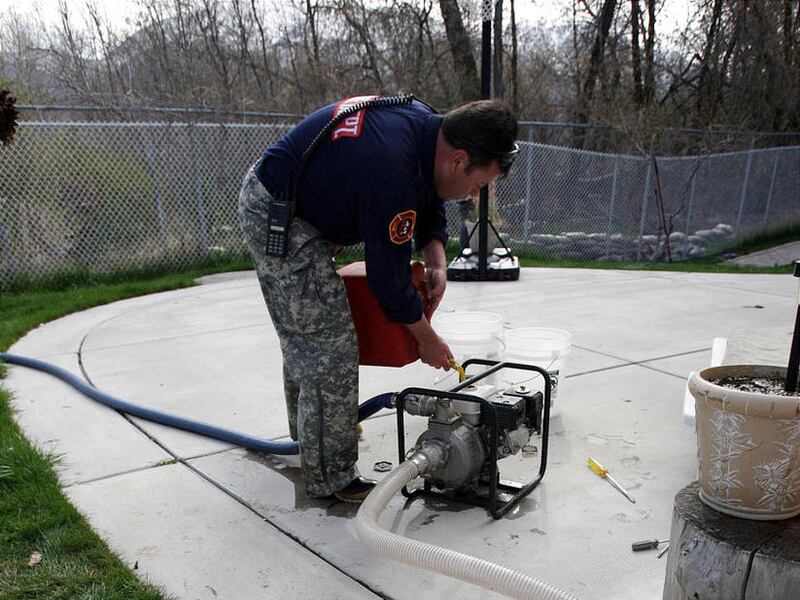
"The groundwater had nowhere to go and it was pushing up in these people's basements," he said. Three commercial grade pumps were pulling standing water away from the homes.
Pumping will likely continue today, with only a brief respite before another storm is due to hit Utah on Thursday.
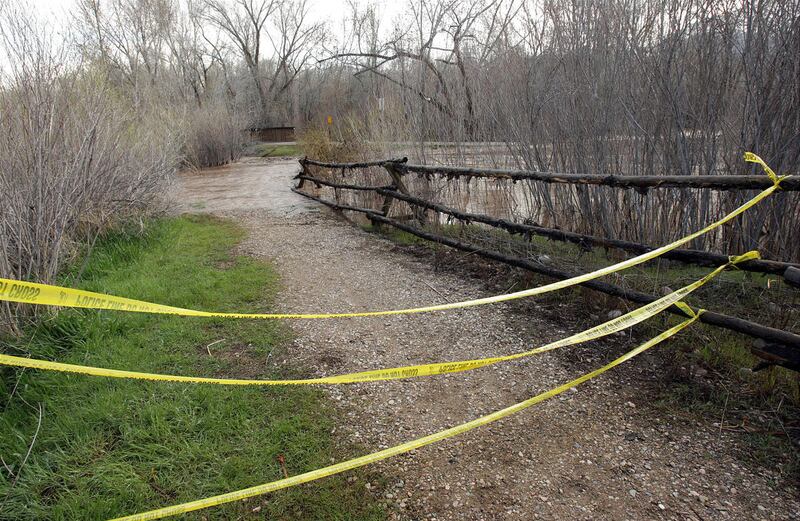
Sandbagging continued along the Weber River Tuesday, which Illum says has washed out a few portions of a river parkway trail and flooded public restrooms.
In Salt Lake County, crews monitored activity in Emigration Canyon and prepared to prevent any additional damage brought on by Emigration Creek, which reached flood stage late Monday afternoon.
Public works road maintenance teams were in the canyon working on some areas where water threatened to undermine the canyon road. Debris was being removed from grates and the creek.
Sandbags are available at the following Emigration Canyon locations: Camp Kostopolus, 4180 East, 6100 East, 6281 East, top of Killian Canyon and Ruth's Diner. Additional sandbags are available by calling Salt Lake County Public Works at 385-468-6101.
Logan and other Cache County cities are continuing to shake off the effects of Monday's flooding, with risks that diminished Tuesday because of the dry weather.
In Morgan County, a trio of creeks have been sandbagged and the worst appears to be over for now, said emergency services director Terry Turner. While there was some minor flooding in fields, the threat to structures had been abated, he said.
Volunteers showed up Monday night to fill 8,000 sandbags, which are ready to go in the event of another bout of flooding.
Summit County, too, is getting a handle on its flooding problems, where Chalk Creek jumped its banks and crews spent all night armed with sandbags. Chalk Creek winds down a narrow canyon and eventually goes through the middle of Coalville, past the old courthouse and multiple homes.
Emergency services manager Butch Swenson said advanced sandbagging through the early morning hours helped mitigate a lot of potential problems with flooding, and residents were prepared.
"They've pretty much sandbagged everything out. It's flooding some farmlands and unoccupied land, but I think everything is on hold until Thursday," until the next storm, he said.
Silvercreek, which begins by Park City and runs through Silvercreek Canyon, was running extremely high Monday, brought on by multiple tiny drainages that filled up fast, Swenson added. He said sandbags and sand have been stockpiled in 10 locations, and residents can have up to 25 bags offered at the public works building and in the Summit Park area.
While water managers across the Wasatch Front are keeping a watchful eye on river and stream flows, much of the flooding threat — like in Riverdale — can be below ground, and out of sight until it is practically too late.
The Riverdale cluster of homes with basement flooding was put in about 10 years ago, and Illum says this is the first time groundwater intrusion has been a problem.
The water table, or shallow groundwater, generally becomes a problem along the urbanized Wasatch Front in the spring, when runoff combined with precipitation saturates the soil, said Mike Lowe of the Utah Geological Survey.
"We live in an area where groundwater fills the soil material below our feet down to the bedrock, and there is only a variable amount of that soil that is dry," said Lowe, who is the geologic program manager for groundwater and paleontology.
The bedrock may be as far deep as thousands of feet, but the "unsaturated zone" of soil is relatively thin — and that is where most basements are sunk.
The water table, too, rises as Utah's landscape reaches farther west toward the Great Salt Lake, where housing developments can prohibit basements.
In Riverdale, some residents bought sub-pumps, which are advised for anyone who lives in a flood plain or property where groundwater is a persistent problem. Sandbagging is occurring in several Wasatch Front communities, such as Woods Cross and Farmington, where the water table is traditionally high and has been aggravated by this week's rainstorms.
Email: amyjoi@desnews.com
Twitter: amyjoi16