



SNOWBIRD — Anyone who has tried to stuff a harp or a bass into the back of the family station wagon can probably relate to Tony Brazelton's Saturday routine.
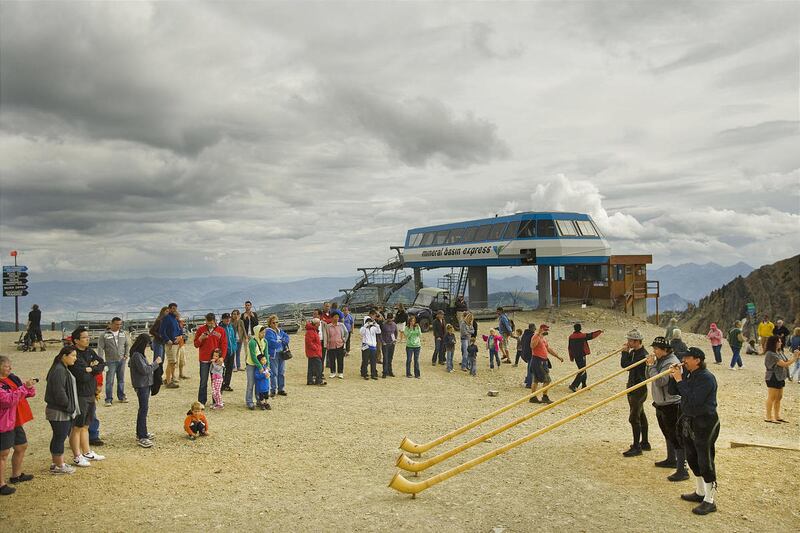
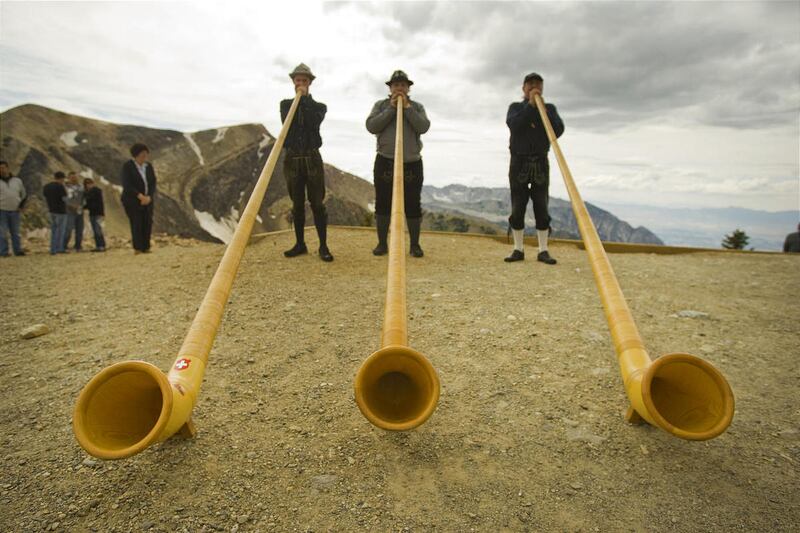
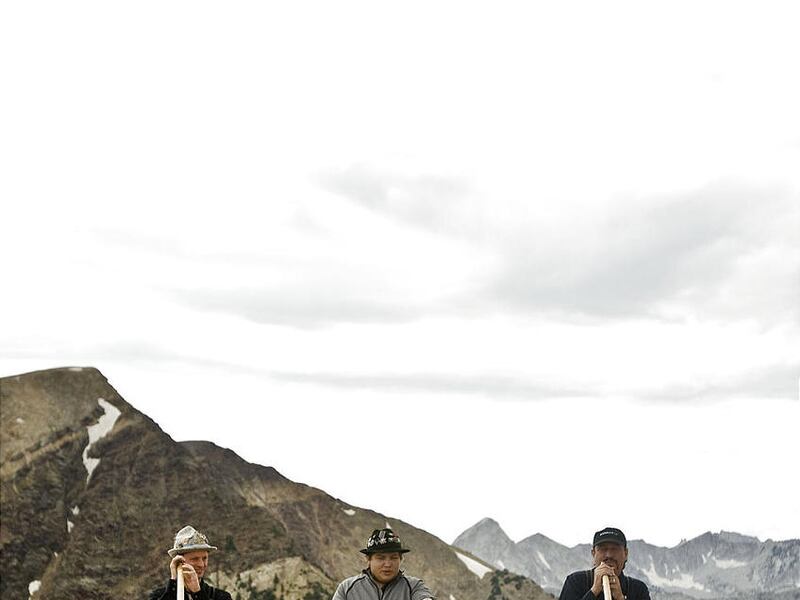
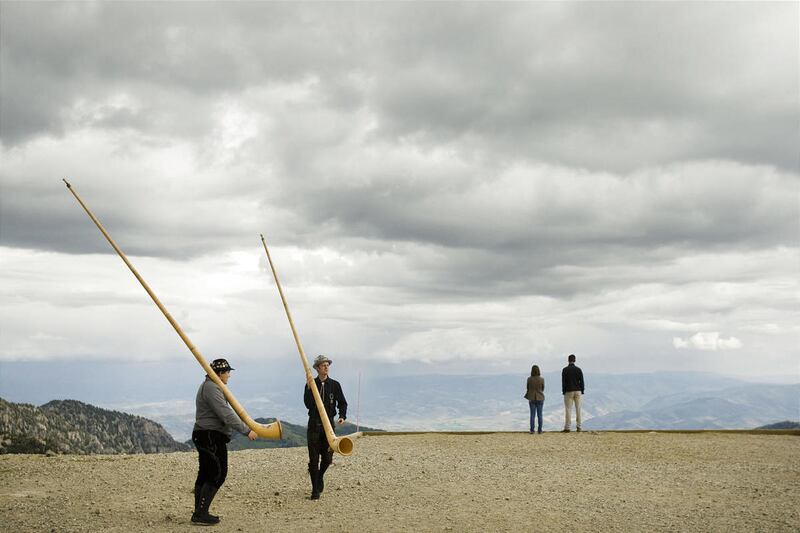
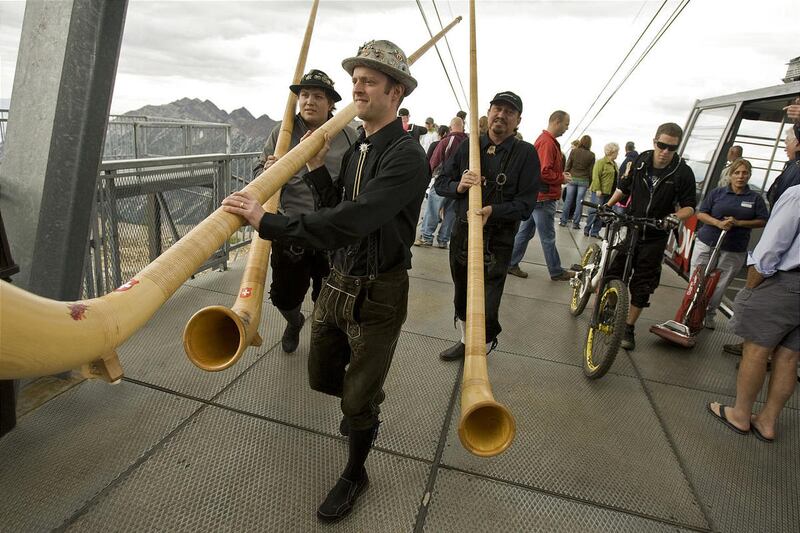
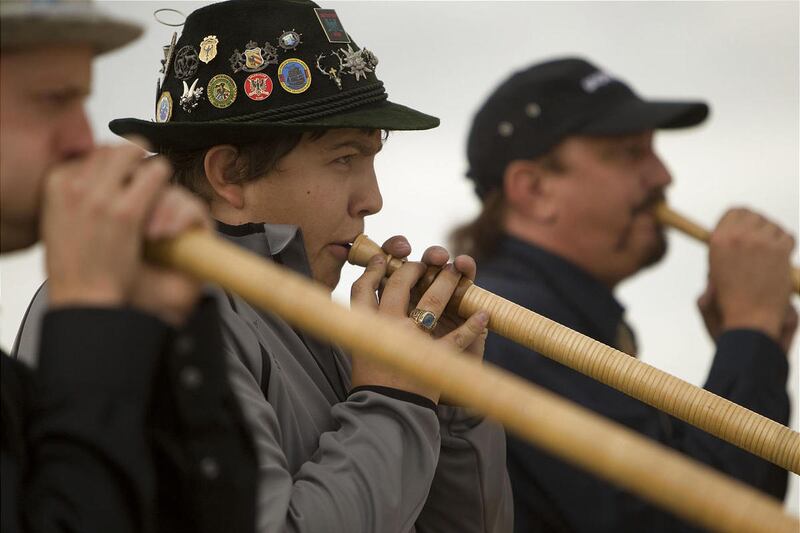
Every weekend during the fall, he hauls not one, not two, but four 12-foot alphorns up Little Cottonwood Canyon so that he and other members of the Salzburger Echo polka band can entertain Oktoberfest visitors at the top of Snowbird's Hidden Peak.
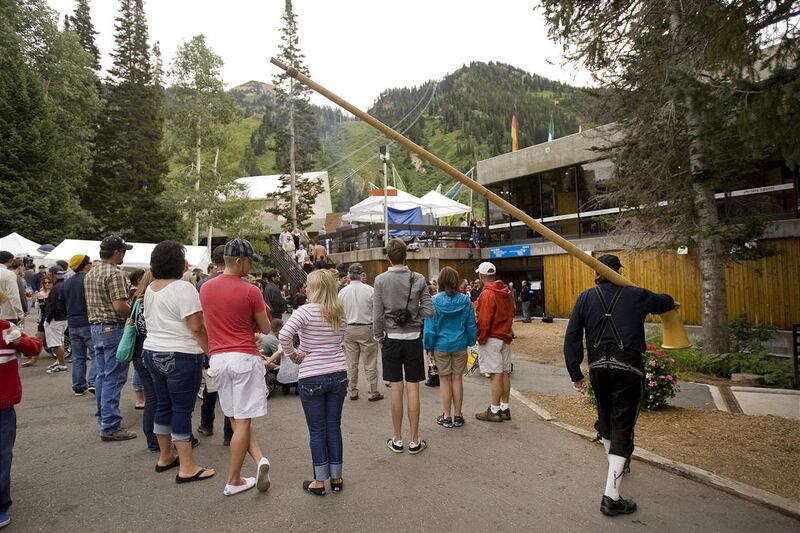
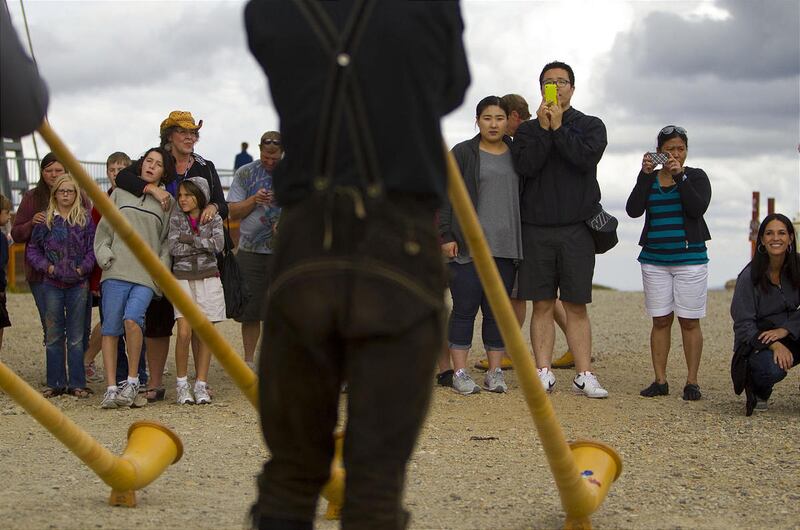
Although the alphorn is not the most portable of instruments, Brazelton admits, "it's the most fun to play. Everywhere you go, you're guaranteed an audience with the alphorn because it's so visible. People want to ask questions, they want to have their picture taken with it. And it's a rare person who can walk by without stopping to listen."
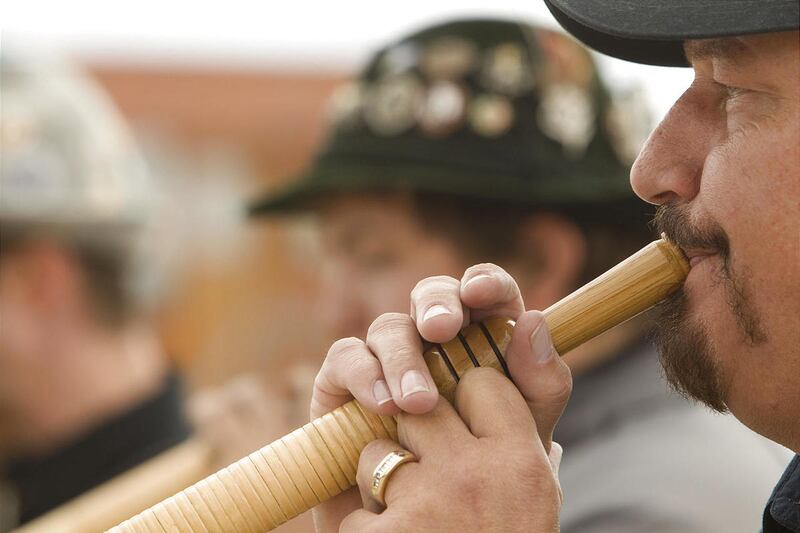
It would be fair to say that Brazelton, 53, who also plays the more manageable trumpet, is a bit obsessed when it comes to the Swiss alphorn. He has 14 of them at home, each hand-carved in a style handed down since alpine shepherds chopped down spruce trees to make instruments more than 500 years ago.
"Yes, they take up a lot of space in the closet," he says, "but they're worth it. Every summer, when we host other alphorn players for the North American Alphorn Retreat, I have enough alphorns for anybody who didn't want to travel with theirs. Have you ever heard 30 alphorns at once? There's nothing that compares."
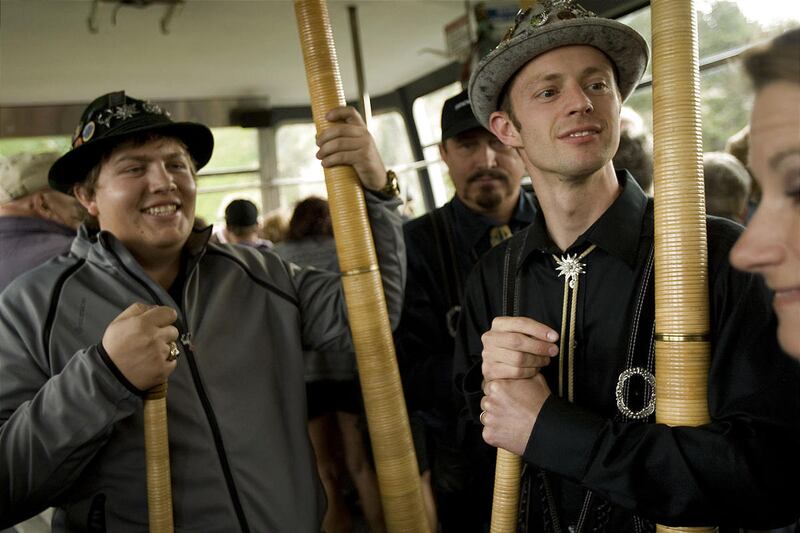
On a golden end-of-summer afternoon, I joined Brazelton and four other Salzburger Echo band members for a Free Lunch chat between sets in the main Oktoberfest tent at Snowbird. Tired of bratwurst and sauerkraut, they dug into ham sandwiches, melon and chips while waiting to take their alphorns up the mountain on the Tram.
"It would be nice to have a stretch limo to haul them in," says Matt Pyper, 37, who also plays cowbells and the baritone horn, "but I love that the alphorn is such a great conversation starter. Not only does it have the 'wow' factor, it has a deceptively beautiful sound. People are always amazed by that."
Because of the alphorn's impressive size (about twice the length of the average skis), most visitors expect to hear something similar to a fog horn. Instead, they are surprised to hear Salzburger Echo performing a melodic, mellow version of "Amazing Grace" at 11,000 feet.
"People think you're going to play one note or the theme from the Ricola cough drop ads," says Brazelton, "and then you blow them away."
Literally, adds Pyper. "When you stand in front of an alphorn, you can actually feel the sound waves going through you," he says. "On a clear day with no wind, hikers can hear us playing from six miles away."
Alphorn playing isn't a cheap pastime, with each instrument costing between $5,000 and $7,000. "Once you start playing, it's easy to get hooked," says Brazelton, who has passed the tradition along to his 20-year-old son, Robert.
In middle school, when other students signed up to play the violin or cello, Robert told his teacher, "I'll be taking up the alphorn." He now travels around the country with his dad, performing at Oktoberbests, weddings and alphorn competitions.
Although the alphorn commands a high extra baggage fee from the airlines, only once did the group lose their instruments. They arrived in Houston for a gig and learned that although their alphorns were loaded onto the plane, they'd somehow disappeared.
A few days later, somebody mentioned that they'd noticed large bags of Utah Grizzlies' hockey team sticks on the same flight.
"Sure enough," says Brazelton, "we found their truck and there were our alphorns." It's a safe assumption, he says, that nobody on the hockey team was tempted to perform the Beer Barrel Polka at halftime.
Have a story? Let's hear it over lunch. Email your name, phone number and what you'd like to talk about to freelunch@desnews.com.