


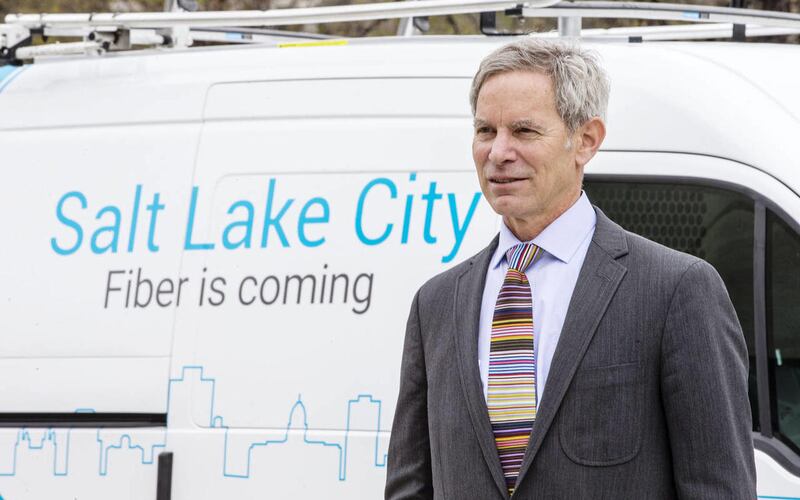

It makes perfect sense for our community, a growing leader in the areas of technology and innovation, partnering with the world's leader in digital technology on this great new service – Mayor Ralph Becker
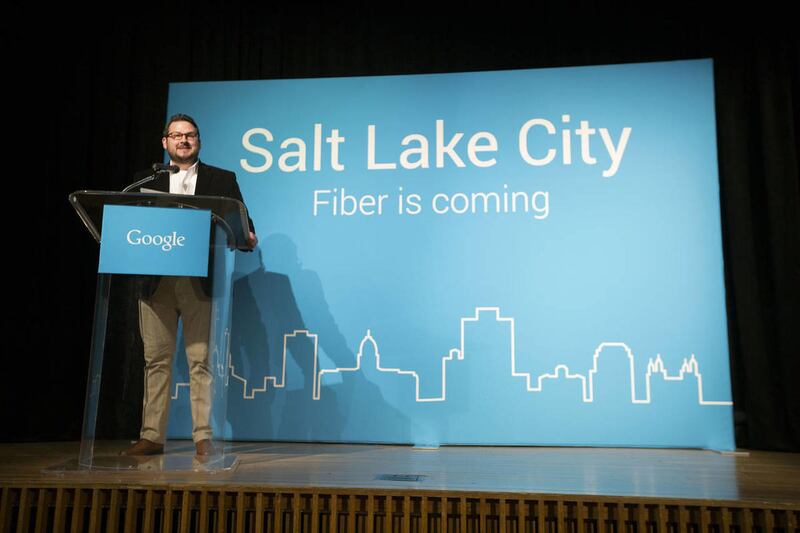
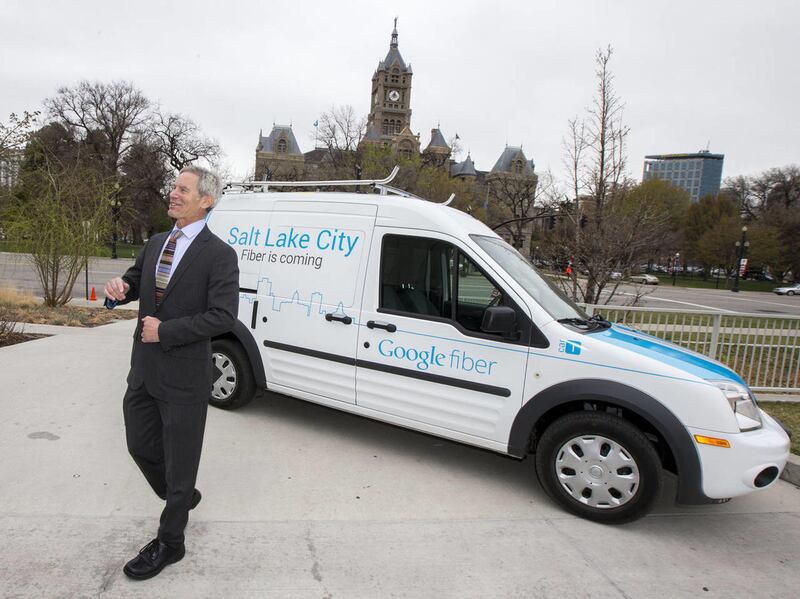
SALT LAKE CITY — A second Utah city will soon become one of just a handful of cities across the country to join the Google Fiber family.
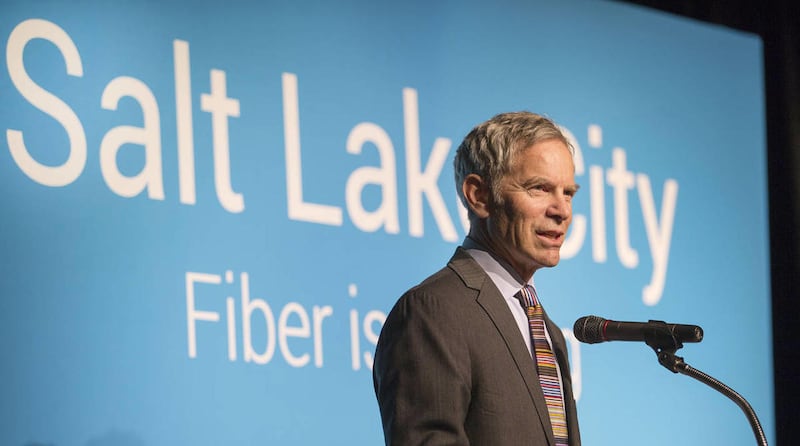
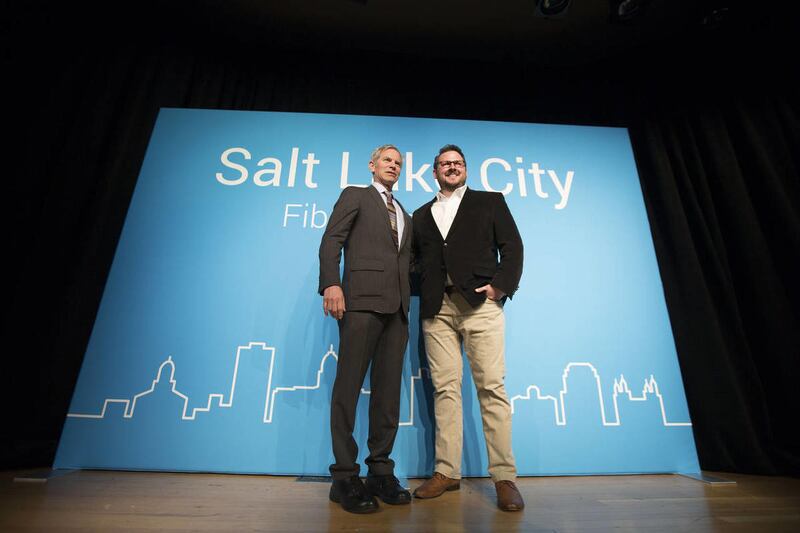
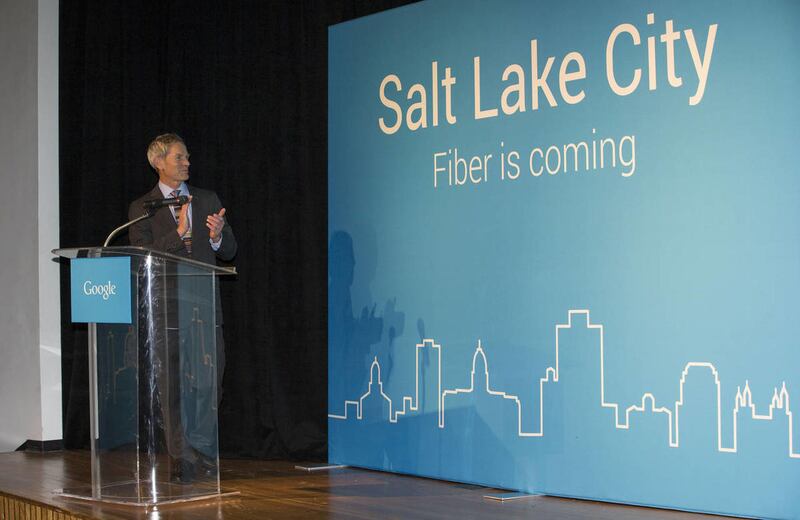
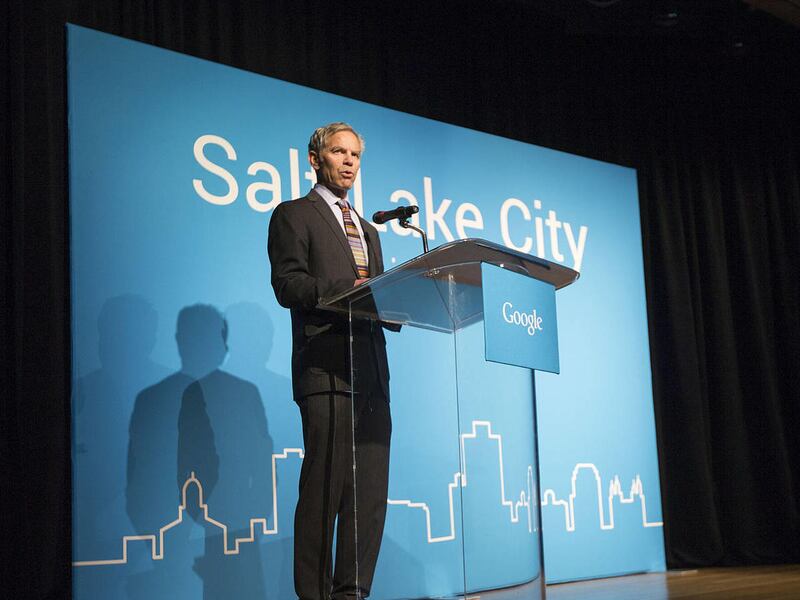
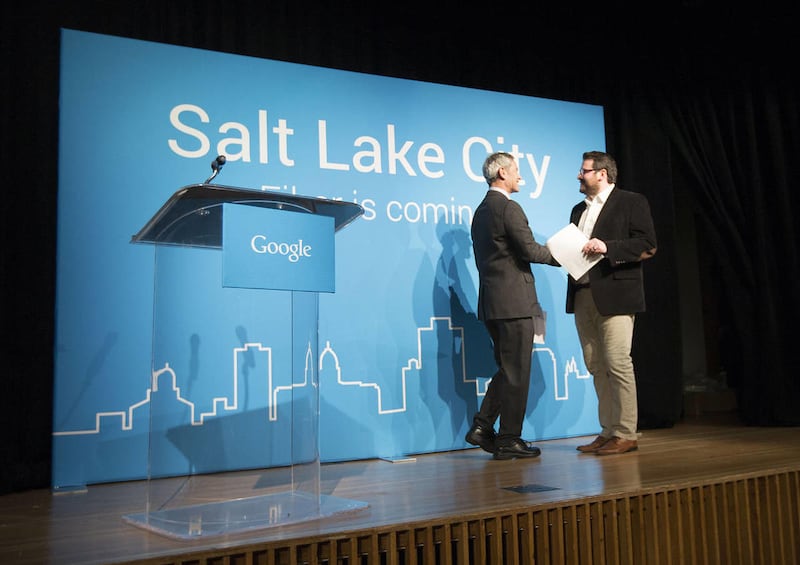
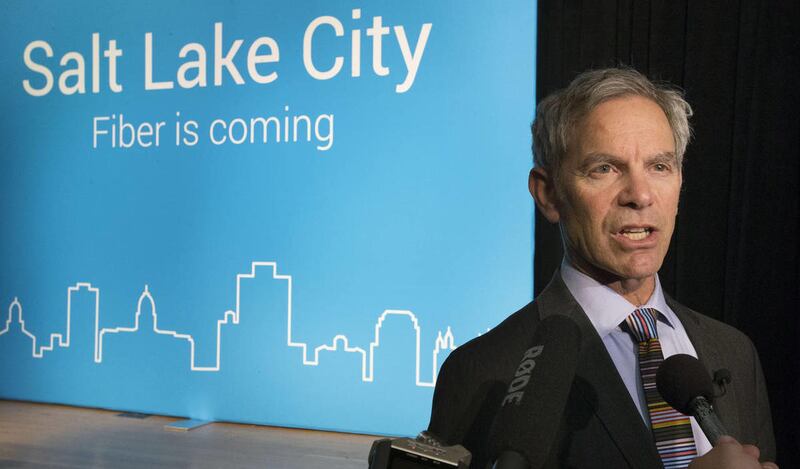
Salt Lake is set to join seven other U.S. cities to offer super high-speed Internet service through Google Fiber. Mayor Ralph Becker made the announcement Tuesday during a news conference at The Leonardo.
“It makes perfect sense for our community, a growing leader in the areas of technology and innovation, partnering with the world's leader in digital technology on this great new service,” Becker said. “Our residents value education and entrepreneurship, and we recognize the value of connecting people with big ideas and with each other, whether across town or around the world.”
There is no question that abundant, ultra-fast Internet access makes the community stronger and lays the groundwork for continued vibrancy and opportunity for all, he added.
Utah’s capital city will join Provo and Atlanta, as well as Austin, Texas; Charlotte and Raleigh-Durham, North Carolina; Kansas City, Missouri; and Nashville, Tennessee, as cities equipped with Google Fiber ultra-fast Internet.
In April 2013, Provo announced it would become at the time just the third city in the nation to have Google Fiber, joining Kansas City and Austin.
Meanwhile, the company is working Phoenix and San Antonio, as well as Portland, Oregon; and San Jose, California, to potentially provide 1-gigabit service in the near future, according to Devin Baer, head of marketing and sales for Google Fiber Salt Lake City.
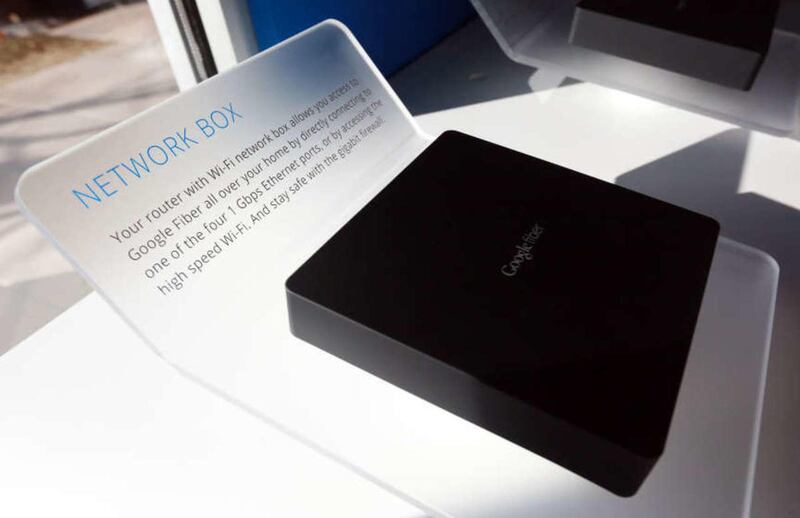
Google Fiber uses a fiber-optic network to provide fast and powerful Internet, as well as TV service. In Provo, the three Google Fiber plans require a network box — essentially a router included with the one-time $30 activation fee. But that won't necessarily be the case in Salt Lake City, as pricing is still to be determined.
Google Fiber will be available to homes within the city’s municipal boundaries, Baer said. The company will begin working to develop the necessary infrastructure to handle 1-gigabit speeds.
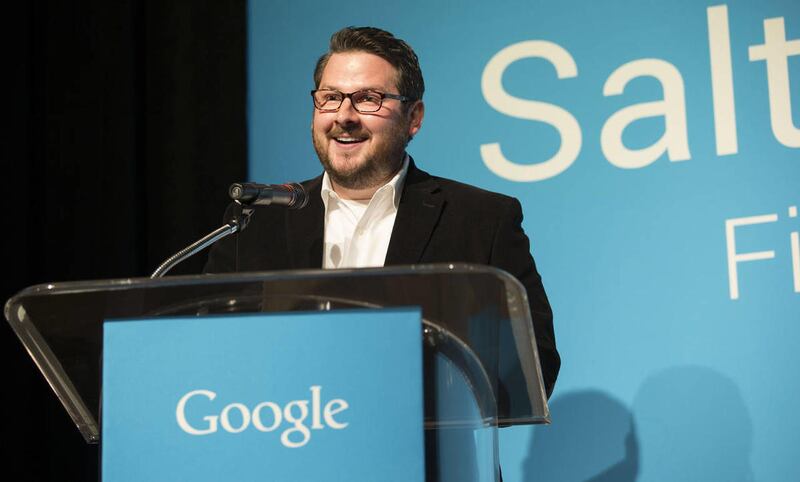
“Building a brand new fiber-optic network is a really big job,” Baer said. “We need to build thousands of miles of fiber throughout Salt Lake City, and each and every mile of that network needs to be planned.”
The process of design and construction is expected to take many months at least, he said. Residents can monitor progress at fiber.google.com/about/.
When asked why Google Fiber chose Salt Lake City as one its newest partners, Baer said it was a natural extension from its existing partnership in Provo.
“Utah is just a great market to bring Google Fiber. It’s a very tech-savvy community fueled by world-class universities, and you have lots of innovative students. (There are) a lot of tech startups as well,” he said. “They dubbed this area Silicon Slopes, and Salt Lake City is right in the heart of that. In looking at the things that we care about at Google, this city just nails it."
Upon completion, after residents are connected, they will have three service options likely similar to what is structured now in Provo.
The first is a 5-megabit connection, which provides a 5-megabit-per-second download speed and 1-megabit-per-second upload. The other options include a terabyte of cloud storage and a 1-gigabit Internet connection for $70 a month or $120 a month if customers add a TV package that requires a two-year contract.
Baer said the availability of gigabit speeds has help promote small-business development in other communities and could have a similar impact on a burgeoning tech hub like Salt Lake City.
“In Kansas City, gigabit developers came from across the country — even from Silicon Valley — to Kansas City to build applications, so a whole new startup culture developed there,” he explained. “People built companies to develop gigabit applications.”
“Really transformative things” start to happen, Baer said, when a community increases the number of people on the Internet and provides faster service to those already online.
Email: jlee@deseretnews.com
Twitter: JasenLee1