


DELLE, Tooele County — The pleasant early spring conditions beckon people to get outside. They are also attracting something else: snakes and spiders.
Getting away from it all is important these days. That’s why the Pratt family looks forward to the end of April every year. Edgar Pratt loves camping.
“Camp, we fish, ride, just hang out with family,” he said.
There’s something about being outside that calms people. “Yeah, it’s mellow,” said Penny Pratt. “No fighting out here.”
Unless, of course, someone sees a snake.
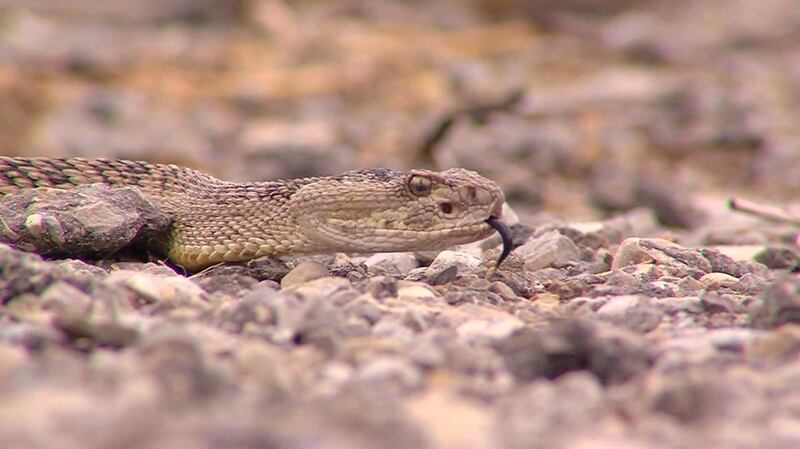
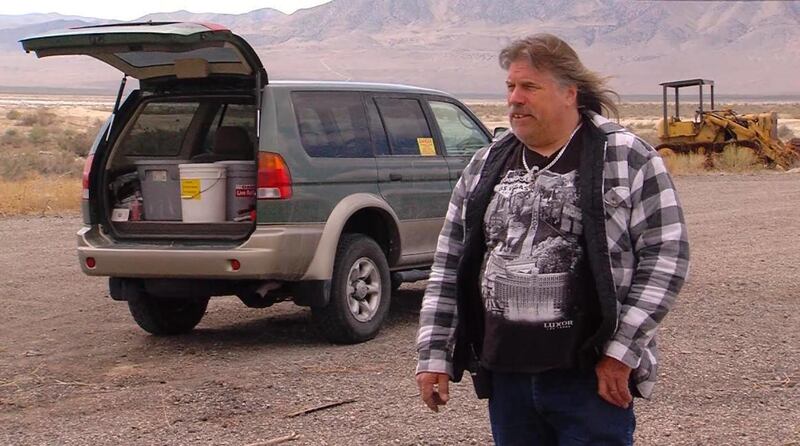
Snakes, especially rattlesnakes, are starting to come out of hibernation. James Dix, also known as "Snake Man," runs Reptile Rescue Service, a company created in 1998 with the goal of saving unwanted, abused, and orphaned reptiles and amphibians.
Dix wants hikers heading into the mountains to be aware of them.
“A lot of people get distracted with the flowers blooming and plants,” he said. “And everything that was dead is turning beautiful green.”
Eight rattlesnake subspecies live in Utah, according to the Utah Division of Wildlife Resources. The most common is the Great Basin rattlesnake, which the division says is found across the state.
Rocky, talus slopes are the places in Utah where people will most likely encounter rattlesnakes.
If someone encounters a snake, the DWR says they should not panic. They should stay at least 5 feet away from the snake, giving it plenty of space.
“Very seldom someone gets bit unless they step on one, or the majority is trying to catch it or kill it," Dix said. "And all snakes are protected, so it’s illegal to kill them."
Snakes are classified as nongame animals and are protected by Utah law, according to wildawareutah.org, an educational program. A person can’t collect or possess live wild snakes without receiving a certificate of registration from the Utah Division of Wildlife Resources.
People should also alert hikers to the snake’s location so they can use caution and keep away from the snake.
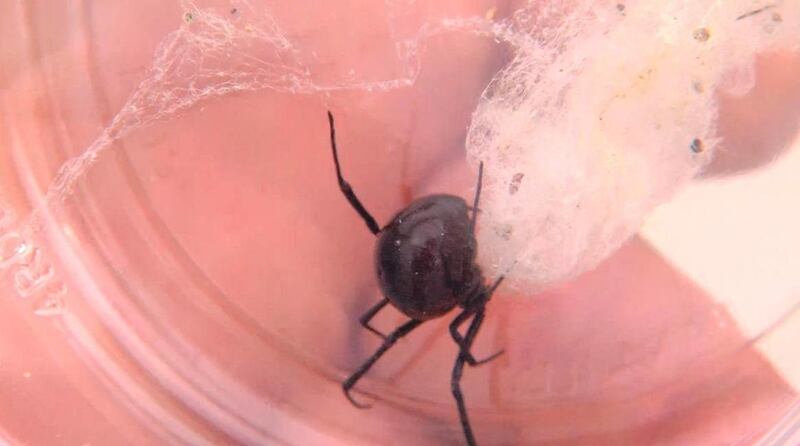
And it’s not just snakes people should be aware of. Dix said campers or hikers might see a few more black widow spiders this year, too.
“If there’s a deep freeze, it kills the egg sacs and a lot of the offspring,” he said. “And we didn’t really have a deep freeze except for one day out here.”
Dix said a bite from a black widow could be as bad, if not worse, than getting bit by a rattlesnake. He also said there’s a decent chance your house might have a black widow in it.
“Most homes have one to three, and people don’t even know it,” he said.
That might be incentive enough to be like the Pratts and get outside. Of course, that’s where the snakes are.
Contributing: Viviane Vo-Duc
Email: acabrero@deseretnews.com