






It’s a true immigrant story. You see the Statue of Liberty as you come in on those ships. But now you’ve got two immigrants from the South Pacific coming to see it. – Sione Po’uha
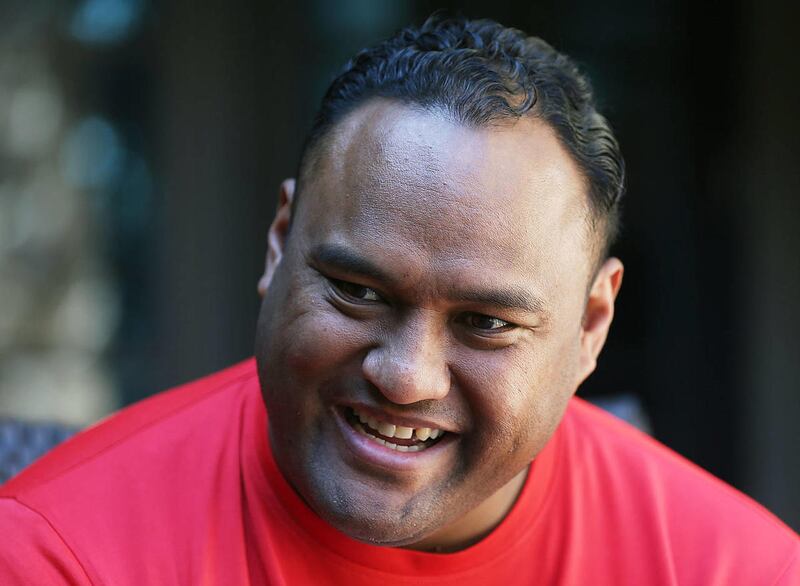
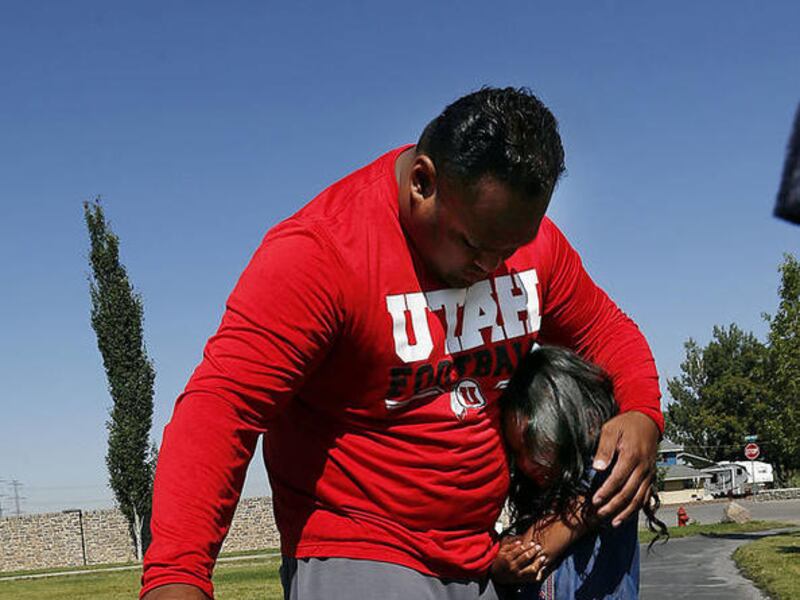
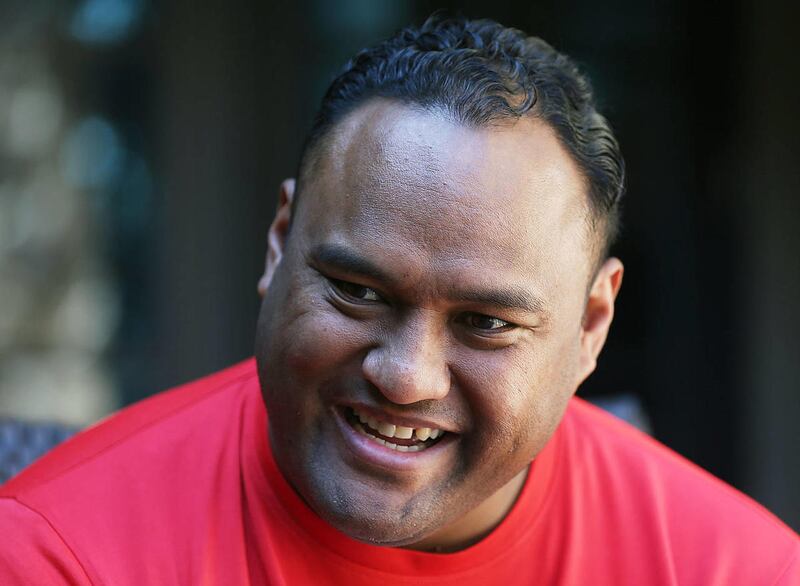
WEST BOUNTIFUL — Sione Po’uha describes his life in a single word.
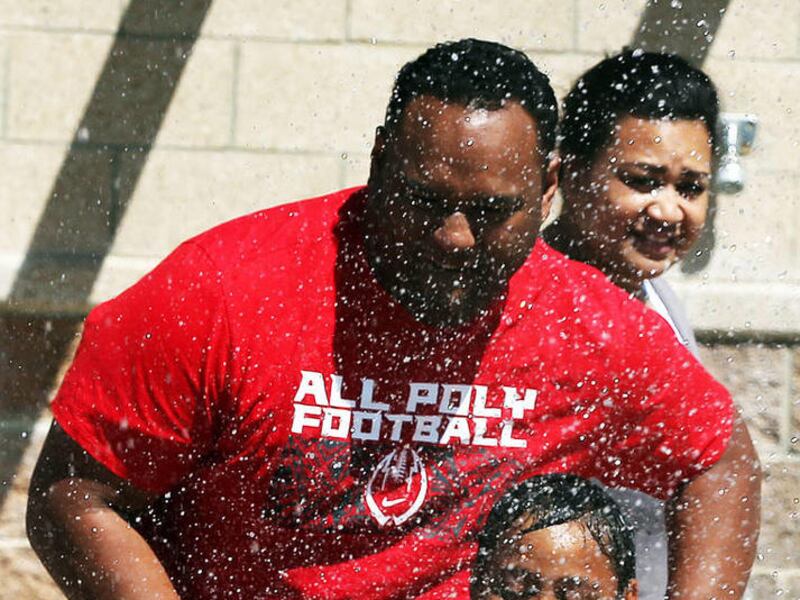
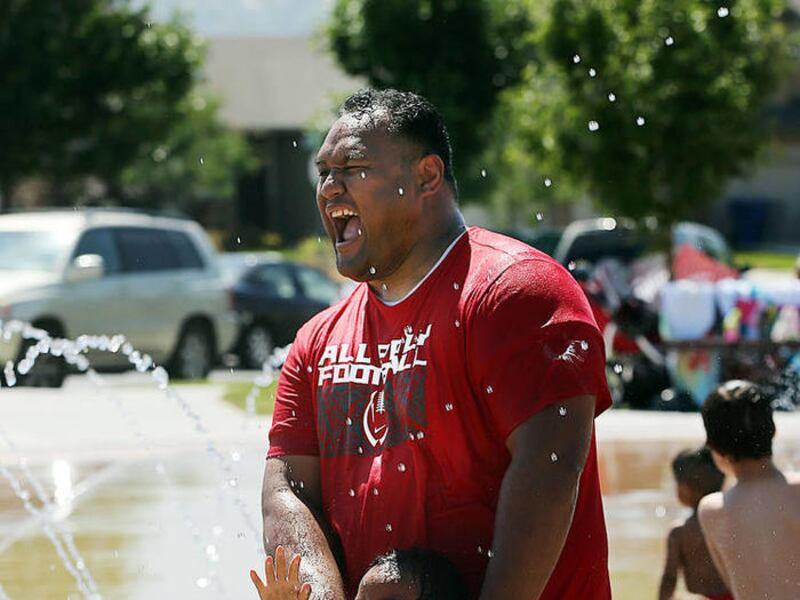
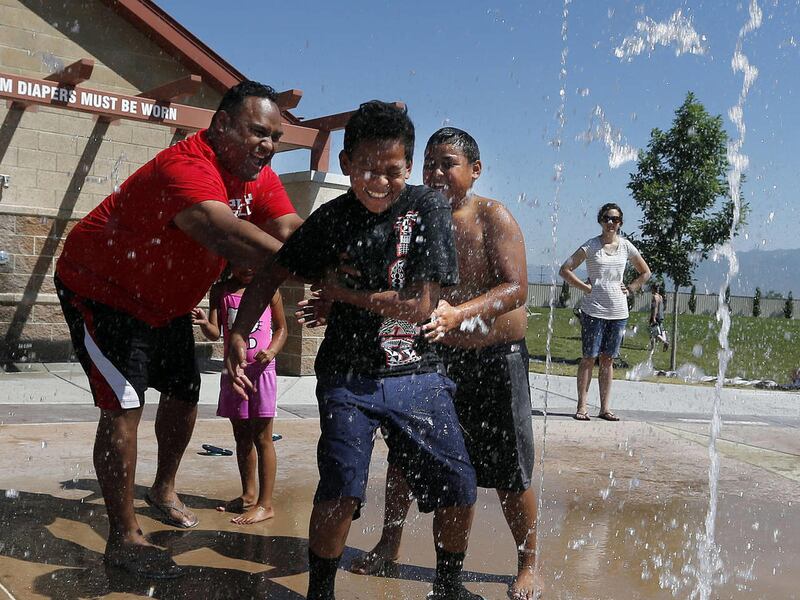
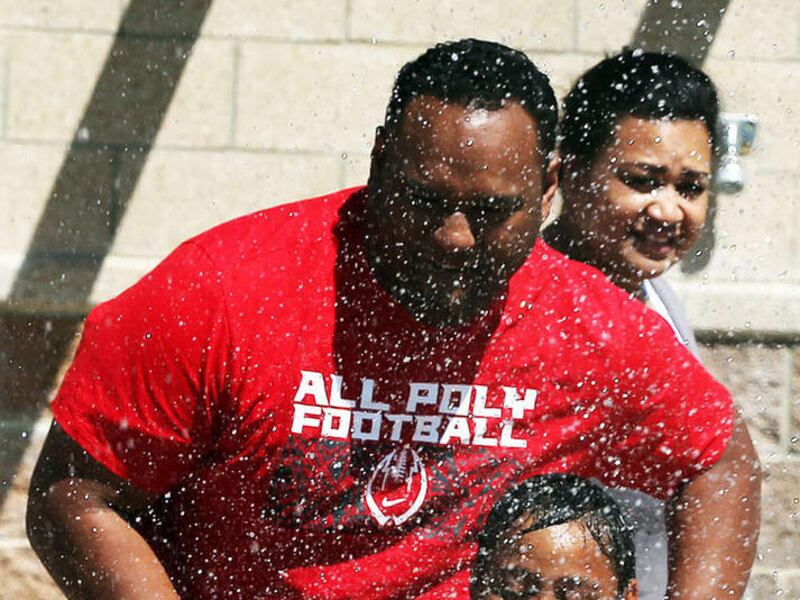
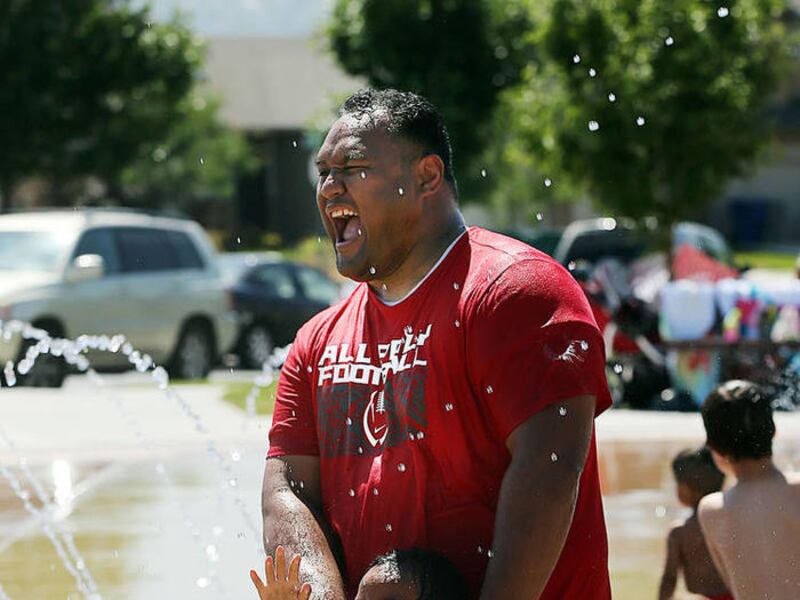
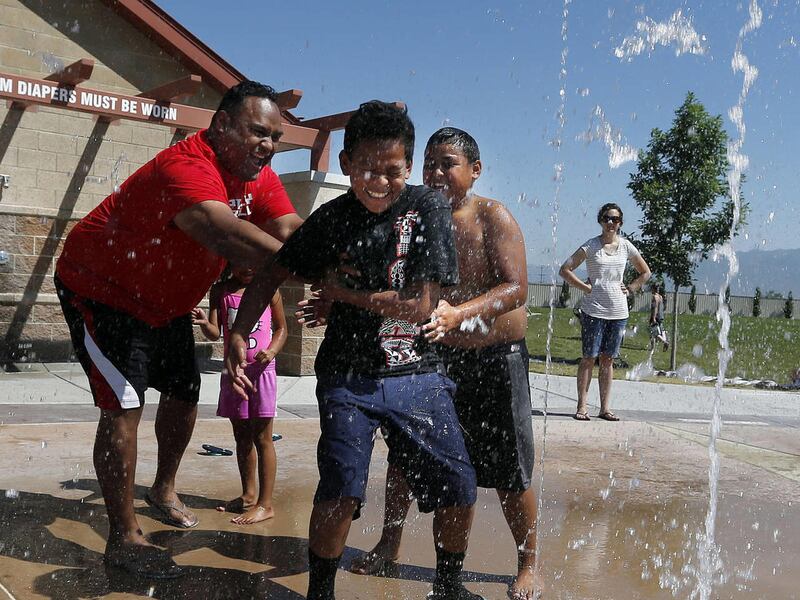
“Blessed,” he said while sitting with his wife, Keiti, and watching their kids play in the water at a splash pad near his home in Davis County.
The 36-year-old Salt Lake City native, who helped lead East High School to a state football championship and the University of Utah to a Fiesta Bowl title, considers himself “basically just a family man now.”
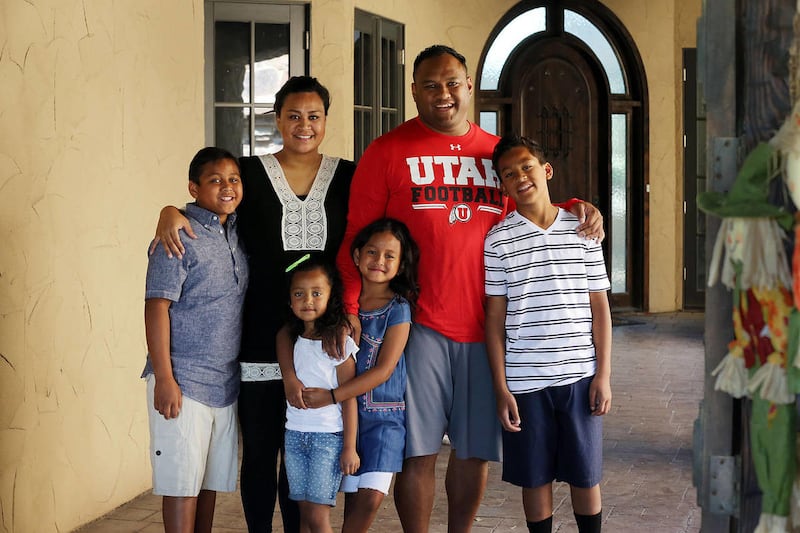
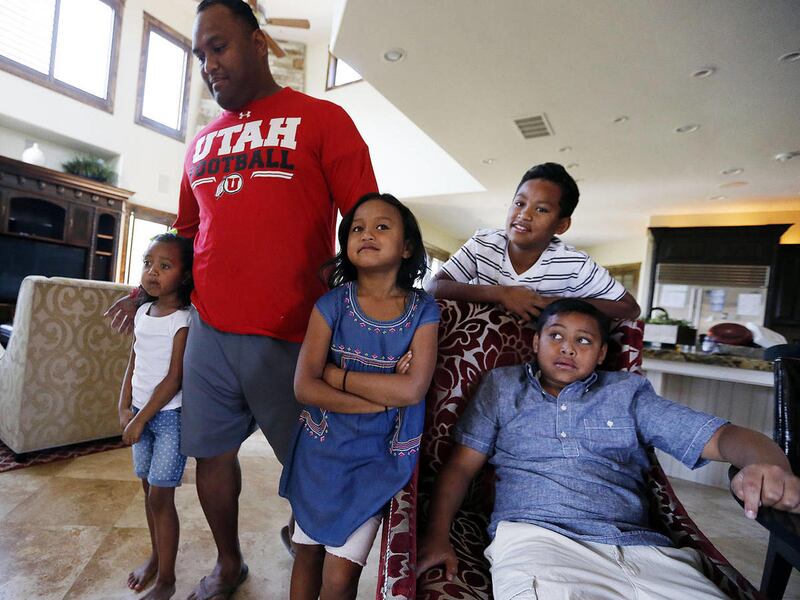
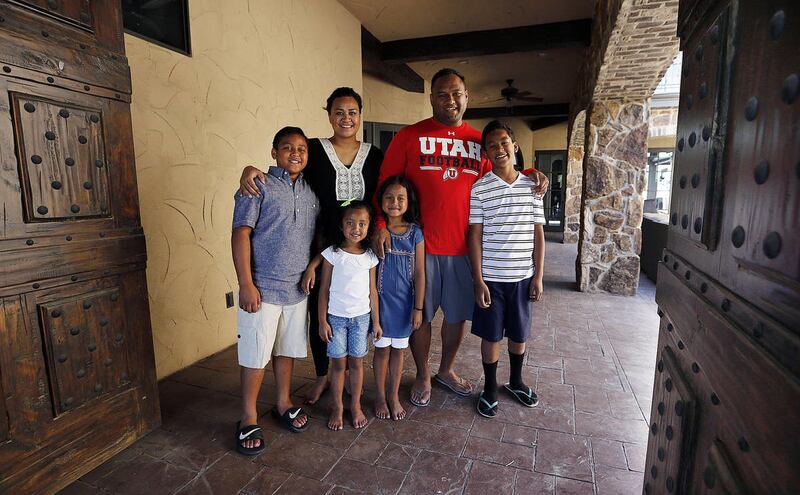
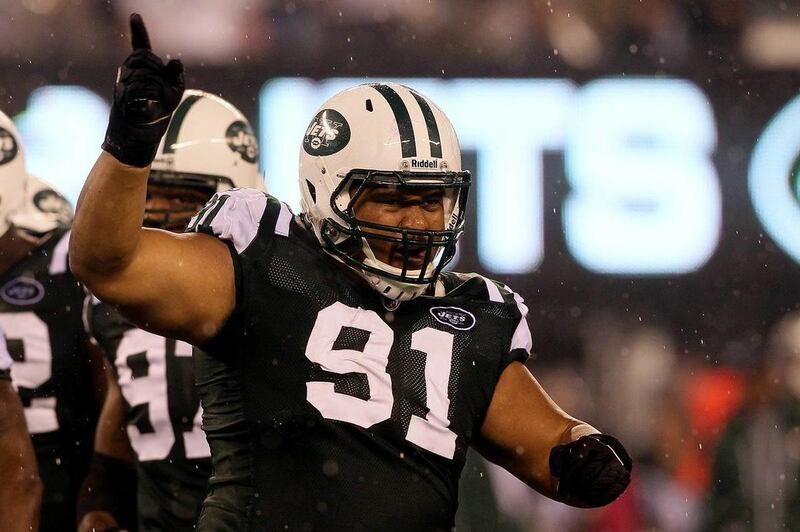
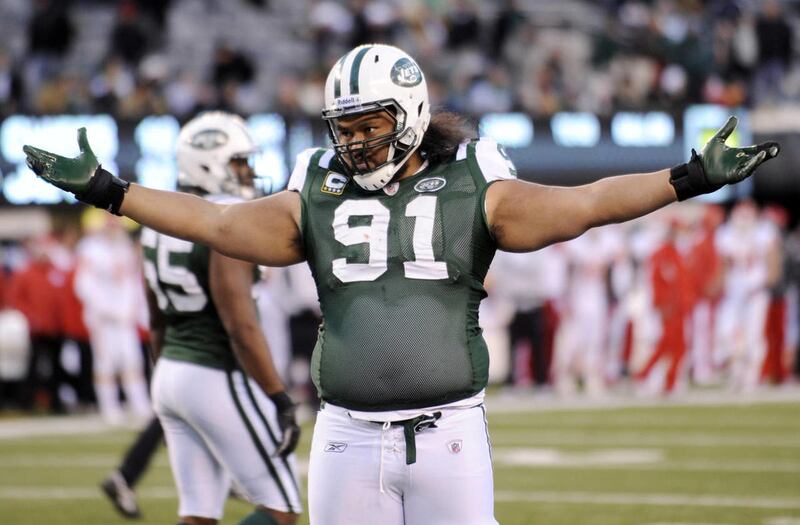
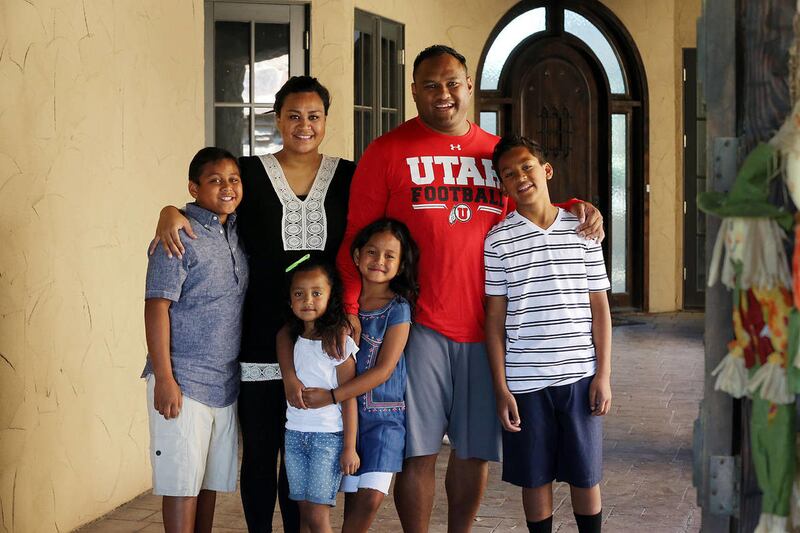
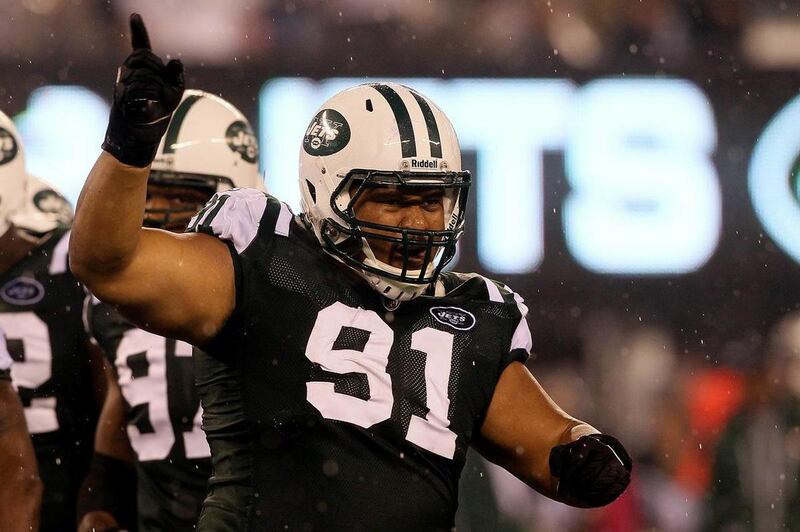
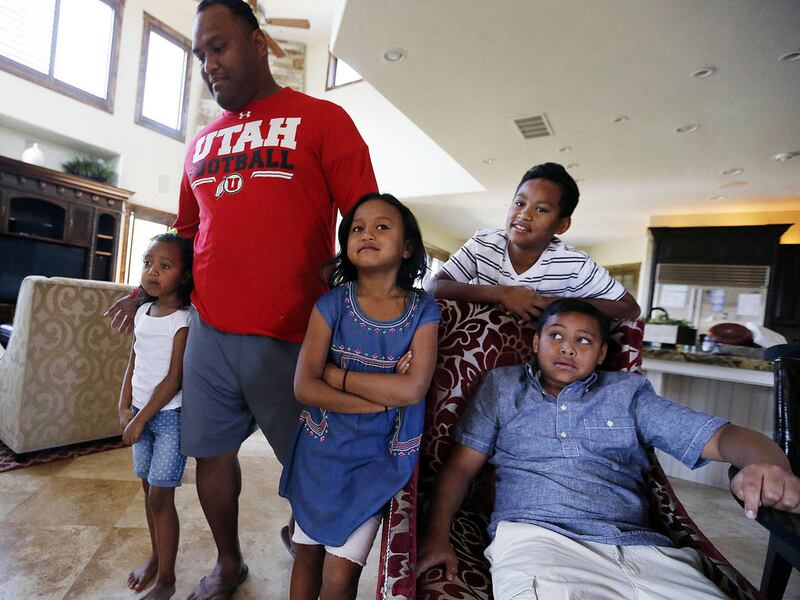
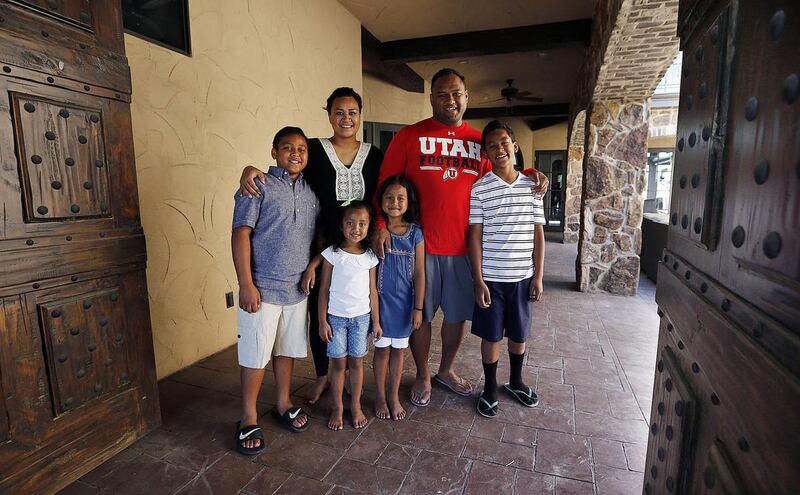
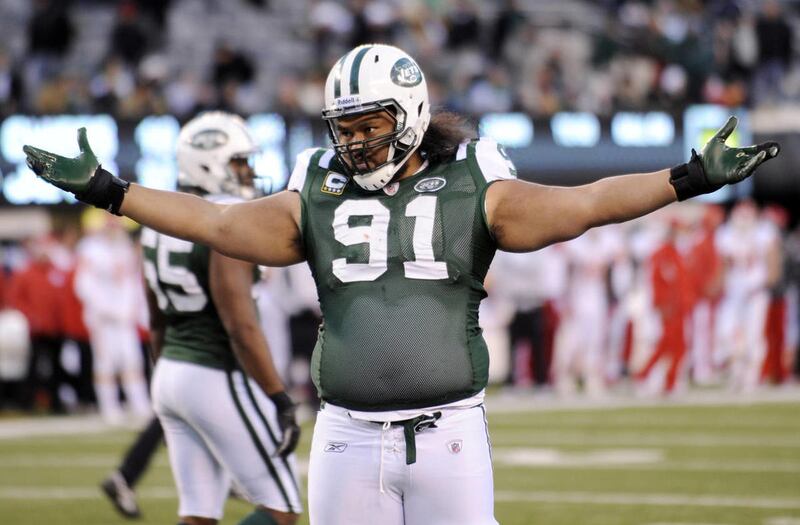
After capping an eight-year NFL career as a defensive lineman with the New York Jets in 2012, Po’uha is living his dream — hanging out with Keiti and children Viliami (11), Sonasi (10), Leilani (6) and Kesaia (5).
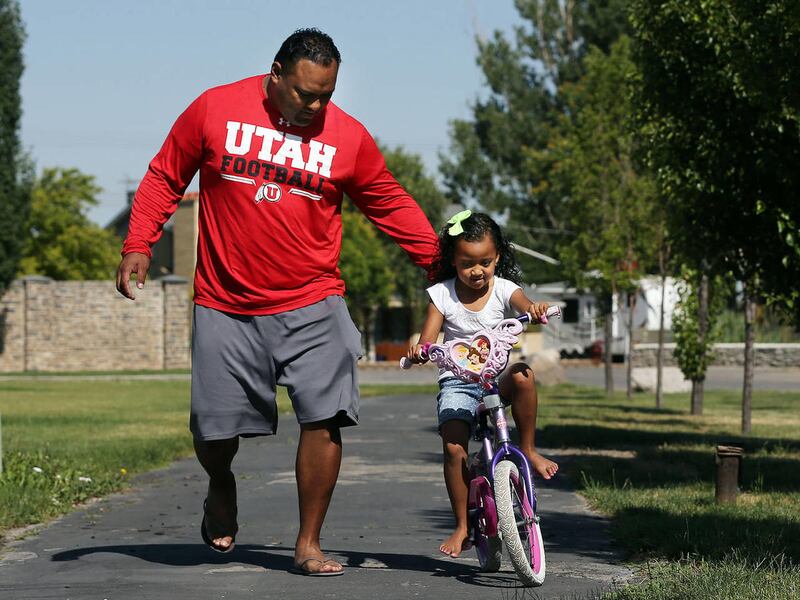
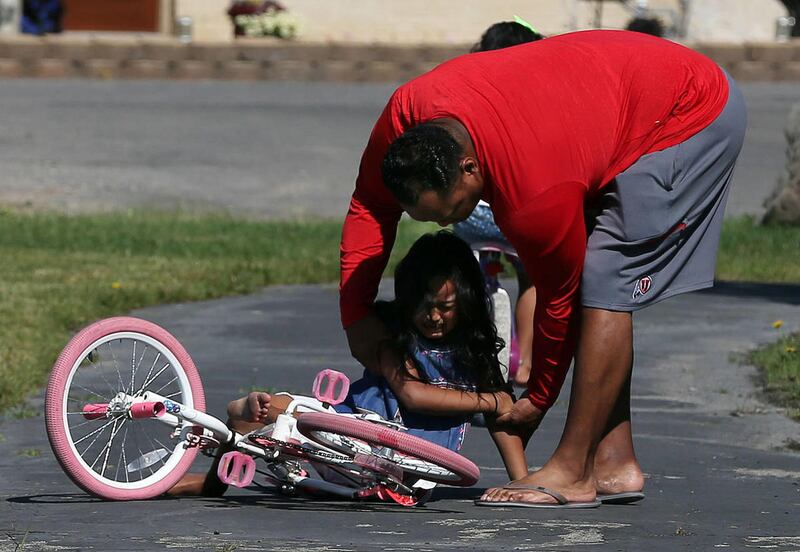
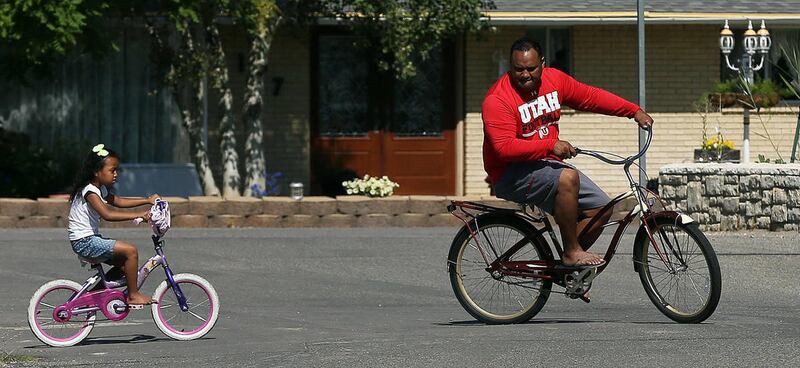
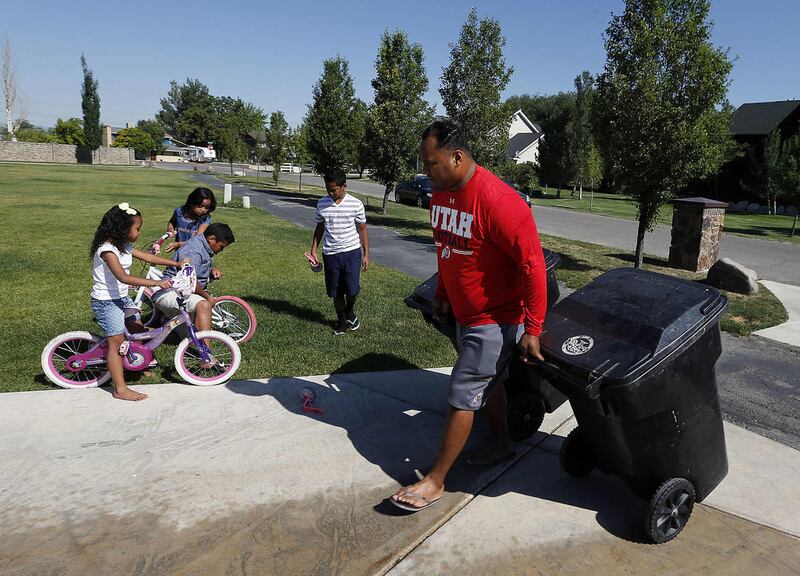
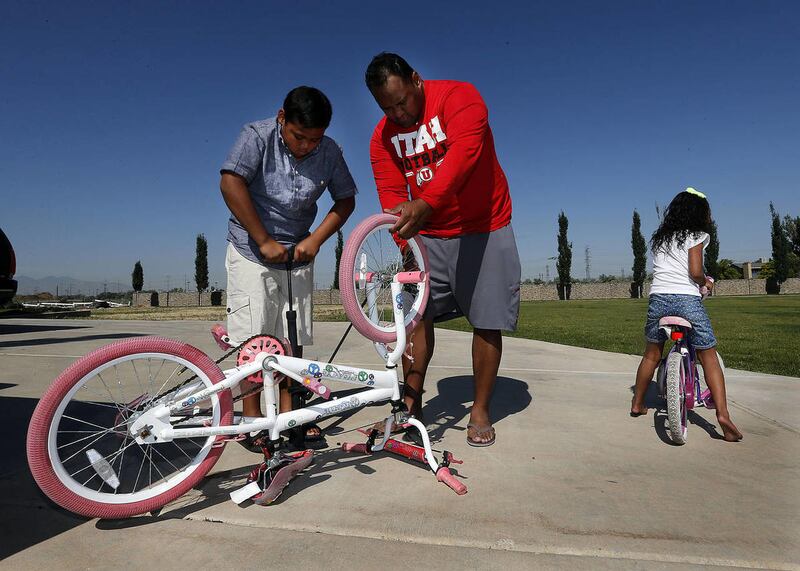
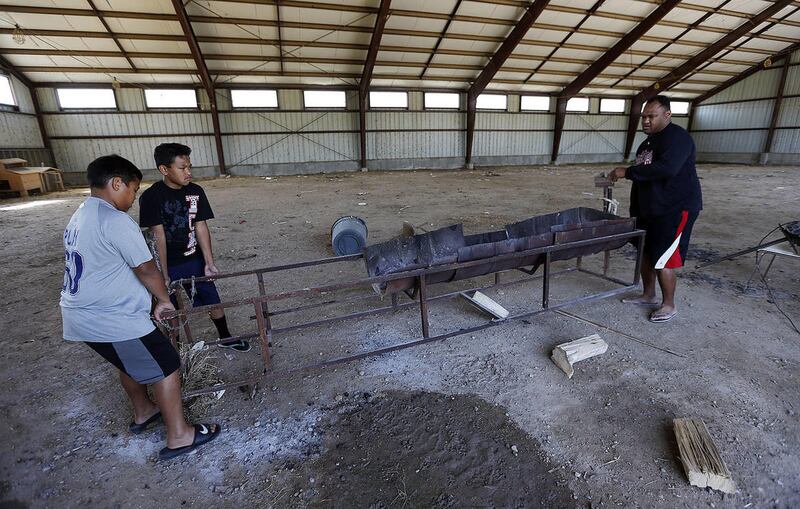
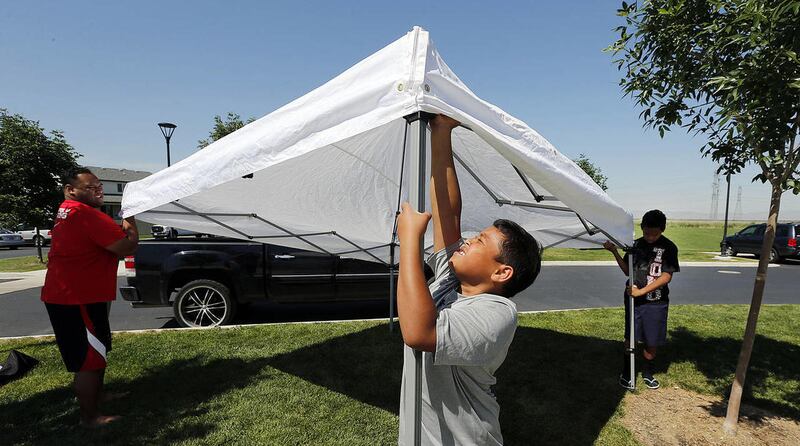
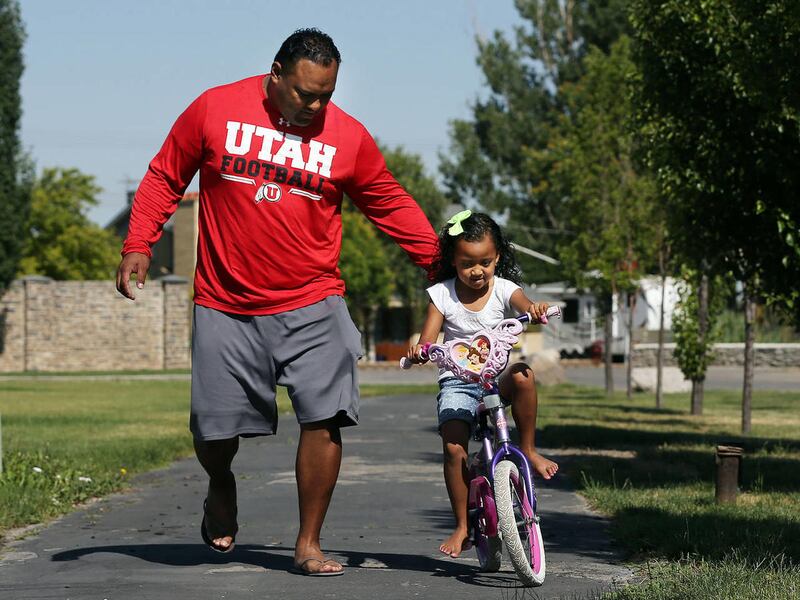
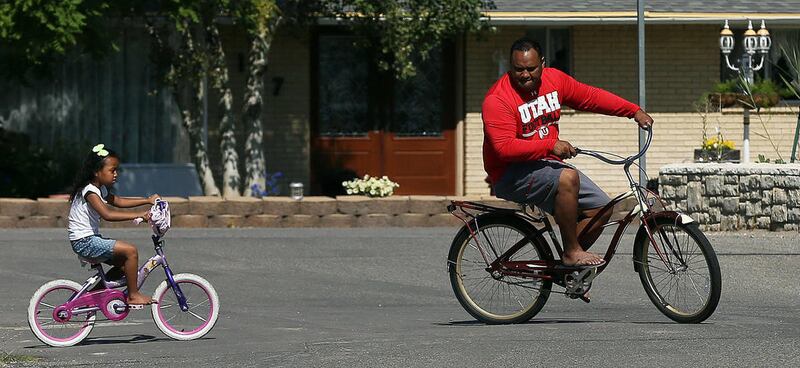
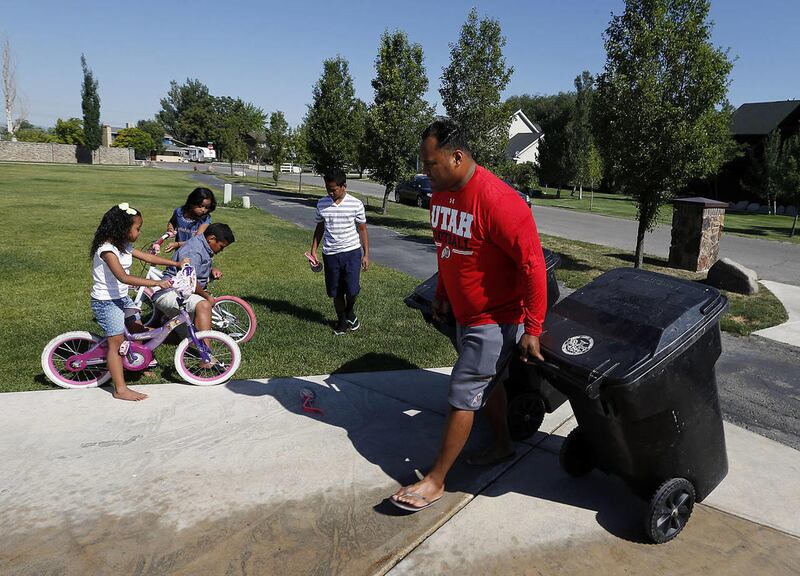
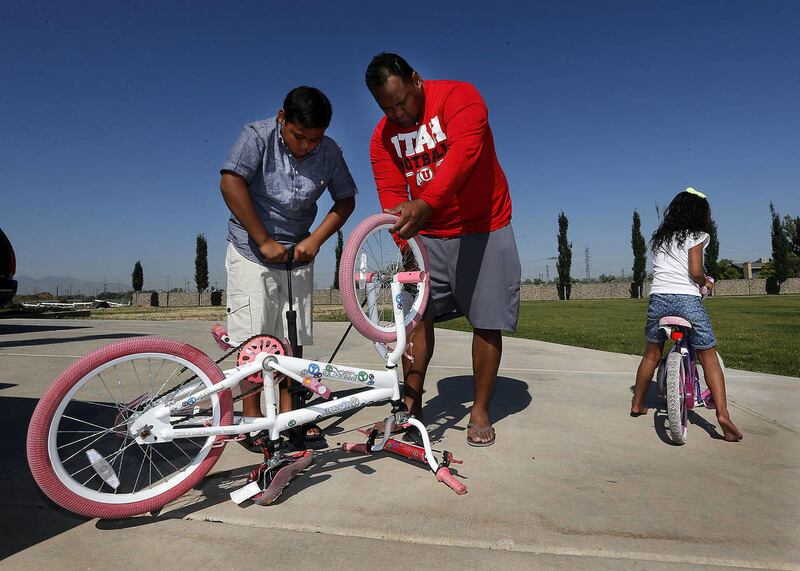
Po’uha noted that they followed him during his playing career and now it’s his turn to follow them. Trips to the water park, eating meals together, watching movies and coaching up the youngsters in little league rugby and girls soccer are among the things that he professes to “loving every minute” doing.
Living the family life, obviously, is something he treasures.
“I consider myself extremely blessed and thankful,” Po’uha said of having the resources to do so — as well as having the experiences associated with getting there.
“We went through football as a family. There wasn’t a time where family was on the shelf until eight years later or until football was over,” he explained. “Family has always been in the equation.”
Sione and Keiti were married in college and had two sons before their NFL experience.
“Family has always been in the forefront. Family has always been the vehicle that we’ve always gone through,” Po’uha said. “It’s not like Dad’s going to do his thing, or if my wife had something to do, where we break off. We’ve always gone around as a family.”
During Po’uha’s tenure with the Jets, the family lived back East during the season and returned to Utah each January. They were always looking for opportunities to come back home, where extended family resided.
When March rolled around and Po’uha needed to be back in New York for 16 weeks of workouts, he found a way to minimize his time away. Po’uha took red-eye flights from Salt Lake City on Sundays, arriving just in time for Monday morning workouts. He would catch a flight back to Utah each Thursday.
The tiring routine was non-negotiable.
“Price didn’t matter,” Po’uha said. “I had the schedule down.”
As far as he was concerned, a couple of days apart from his loved ones was long enough.
Po’uha acknowledged people asked how he juggled playing pro football in New York with being a family man.
“We’ve been juggling for pretty much our whole lives,” he said. “So the same principle that you use juggling being a nose tackle in the biggest city in America, for a great organization like the Jets, is the same way you juggle being at home.”
Although his playing days are behind him, Po’uha is still busier than most guys. He’s currently serving as an LDS Church bishop (Bountiful 6th Tongan Ward) and is putting in time as a student assistant for the Utes while completing course work on his bachelor’s degree in sociology (behavioral sciences and health) — an accomplishment he came close to achieving before leaving school early to prepare for the NFL in 2005.
Po’uha noted that getting a degree has always been a priority within the Utah athletic department.
“Now it’s just trying to get that degree finished and see what goes on from there,” he said.
Po’uha’s future is uncertain. He insists there are no long-term plans. A lengthy NFL career put the family in a favorable financial position.
“Once our kids are out, we’ll probably just go serve missions. That’s pretty much all we want to do,” Po’uha said. “We want to serve our kids, serve our families, and send serve the community that we’re in. And there’s nothing greater than that, man.”
Po’uha added that you conquer big goals by conquering the day.
“I never look at it as this phase is done and then you move on to the next one — because you still attach those phases to help you,” Po’uha said.
The only son of Tongan immigrants Sonasi and Susana Po’uha has plenty of experiences to draw upon as he embraces retirement.
It’s a team thing
Po’uha acknowledges being the primary character at home while playing in the NFL. However, he insists his supporting cast was most important. Po’uha readily says “we” and not “I” when discussing the partnership with his wife.
The feeling is mutual.
“Everything we do now is for our kids, for our family and for our future,” Keiti said. “It’s very nice having him home. It’s been a good transition. He’s been wanting to retire just because he wanted to be more involved in our kids’ lives.”
They were getting older, she explained, and transferring them from schools in New Jersey to Utah each year was becoming unacceptable to Sione.
“He was sick of that. He was like ‘I want to have stability for the kids,’” Keiti said. “So that’s one reason why he was excited to be retired. It’s been worth it.”
The timing has also been good. Keiti has been plagued by issues with her back.
“He’s been nothing but helpful since he’s retired,” she said. “Now he’s home doing most of the work since I’ve been home sick.”
Keiti noted that her 6-foot-3 husband, who weighed around 330 pounds in his playing days, is a huge teddy bear in many ways.
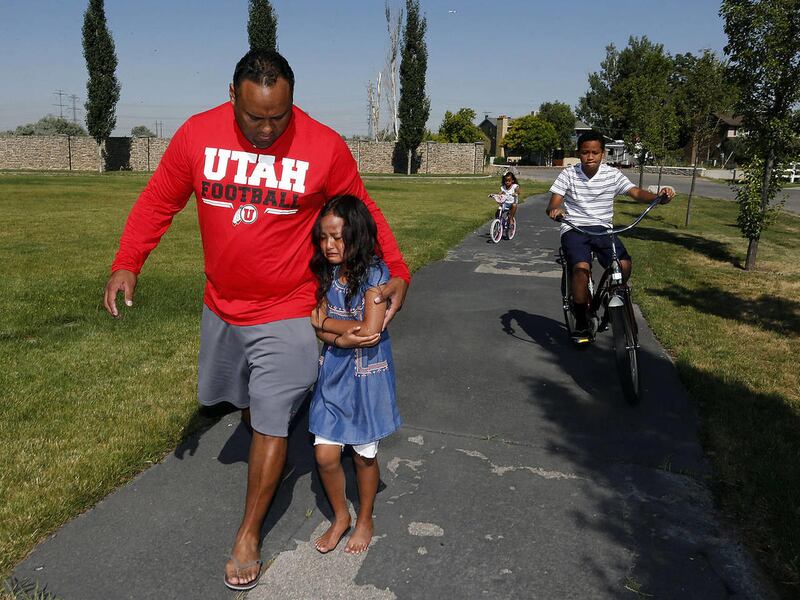
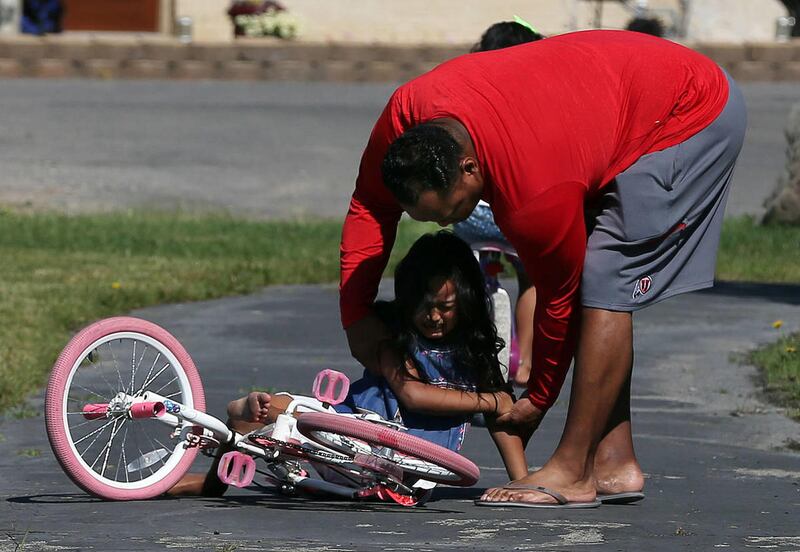
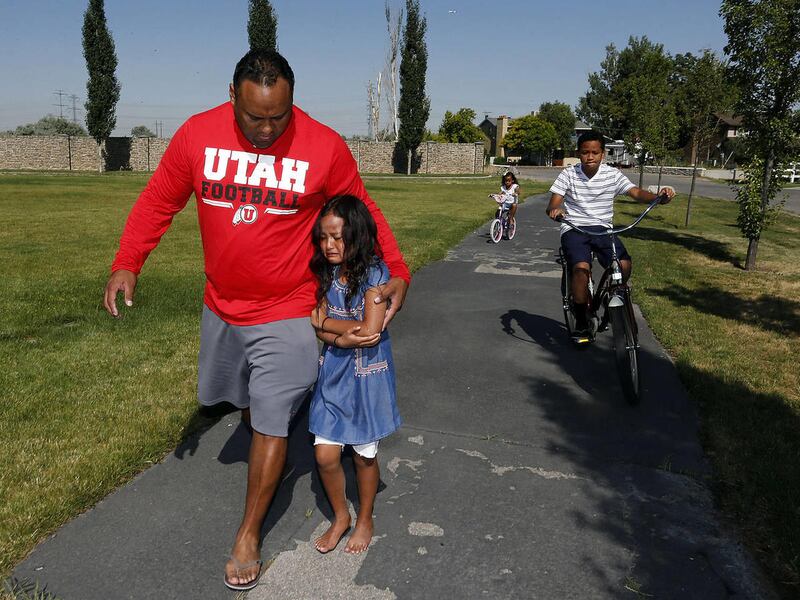
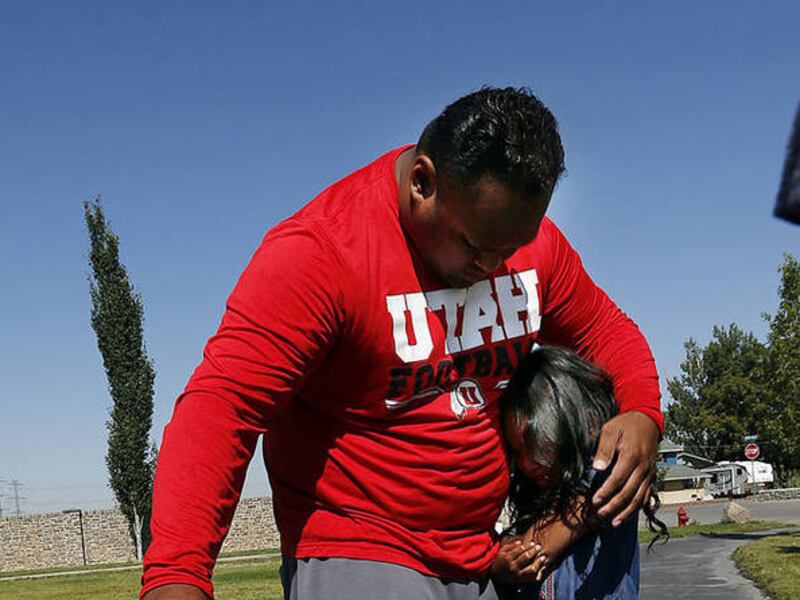
“The crazy thing is when people see him on the field he’s like this big scary guy,” she said. “But then once he’s off the field our kids are like ‘Daddy!’ He’s the sweetest dad to our kids.”
Po’uha takes pride in the role.
“It’s super important. For me, my overall view is the family is the best classroom in the world — you know, to learn different types of things, whether it’s in the from the simplest math to cleaning the dishes to knowing how to tie a square knot,” he said. “You learn it all in the classroom of a family. And so for me, the family is the most important unit in the world.”
Po’uha credits football for preparing him to be a father, noting such principles as hard work and team unity.
“I wasn’t really an aggressive player, but I was maybe like a strong technician player,” said Po’uha, who played in 106 NFL games and finished his career with 192 tackles, five fumble recoveries and 4.5 sacks. “So when I approached the game, I approached it as more of a strength game. Then it was more of a warrior battle.”
Although Po’uha admits he had to work on some aggressiveness during his playing days, he knew his success ultimately derived from power and strength.
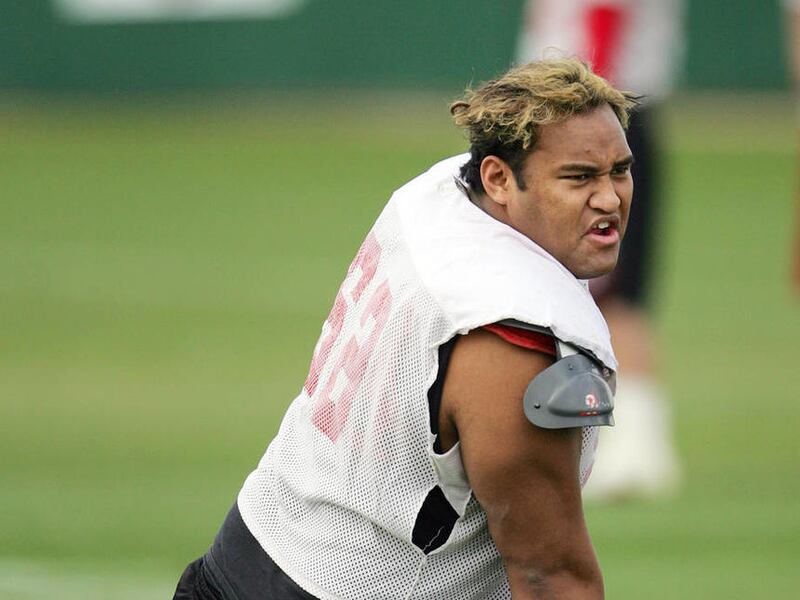
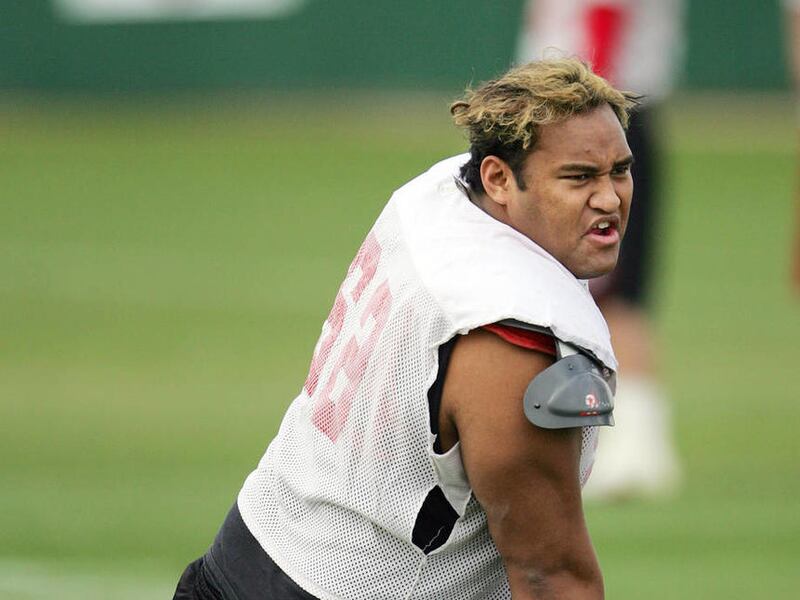
At Utah, Po’uha appeared in 40 games and wound up with career totals of 89 tackles, 12.5 tackles for loss and seven sacks.
Long before that, however, Po’uha developed a winning work ethic. He learned it from his father, who passed away from pancreatic cancer in 2009.
“I totally miss him a lot,” said Po’uha, who noted that he developed a special bond with his dad as his only son. They spent a lot of time together, traveling and working on landscaping projects.
“A lot of lessons come from our parents,” he expounded. “When they leave, when they pass away, you start to remember the little things.”
One lesson, though, proved to be a big deal. When Sione was 13 years old, he wound up laying all the sod at a large apartment complex in the Salt Lake Valley — by himself. Po’uha did the work before and after football practices.
“I remember just grabbing the sod from the pallet, dropping it, kicking it with my cleats, and just going over and over,” he said. “So I was thinking ‘Man, I’m out here by myself doing this. I didn’t really know what he was trying to do.”
Those types of lessons, he added, happened over and over in going to work with his father — described by Sione as more of a doer than a teller.
“I never really understood those until later on in life — where you’ve just got to keep going,” Po’uha continued. “I didn’t ever think that the trucks would stop coming with the pallets of sod. But, you know, eventually it did.”
More than 20 years later, Po’uha reminds his sons who laid the grass there whenever they drive past the site.
“The things that (my father) taught me are the things that I hope to be able to teach my kids and I want to be the husband that he was — to my wife,” Po’uha said. “I never really understood why he ate last until now. You know, I never really understood why he slept last and woke up first. I never really understood those things until now.”
Selfless acts of parents everywhere, Po’uha continued, is something kids will never understand until they grow older and are in that role.
“That’s why the family is so important. Because it teaches those roles,” Po’uha said. “You don’t get certified or anything, right? You just learn as you go and you keep on growing. You learn to forgive, you learn to be patient, you learn to teach again. You’ll teach the same thing a gazillion times and it’s a gazillion-to-one they’ll get it.”
Variety of experiences
In his travels, which includes serving an LDS Church mission to Pittsburgh, Po’uha has seen a lot of things. One experience, though, proved to be especially poignant. In his first season with the Jets, Po’uha took his Tonga-born parents to see the Statue of Liberty.
“They kind of took a moment to really look at it. I think they were really just contemplating: ‘Wow, we came from this little island’ and now God has kind of given them the opportunity to see the Statue of Liberty,” he said. “It’s a true immigrant story. You see the Statue of Liberty as you come in on those ships. But now you’ve got two immigrants from the South Pacific coming to see it.”
Po’uha has plenty of fond memories from his time in the NFL.
“It was everything that I dreamed of. I was fortunate to go to New York,” he said. “Another dream was to play for a big city and I ended up playing for a big city somewhere that was far away.”
Even so, Utah has always remained close to his heart. Same goes for his faith. The two crossed paths after Po'uha’s eighth season with the Jets.
Po’uha had a couple of opportunities to continue his NFL career. He was in shape and had run the conditioning tests that August. Po’uha told his agent he was ready to go.
Then came an offer Po’uha couldn’t refuse. He was called to be an LDS Church bishop.
“As I got the call to serve, to be able to serve, I think it was much more important for me to serve because life had given so much to me already within those eight years,” Po’uha said. “It’s hard to explain. It has something to do with karma, to make sure that you’re in balance with life in terms of what it gives you. You make sure you return it.”
Po’uha added that when he was called to serve as a bishop in August of 2013, there really was no choice to be made.
“At that point I had lived my dream more than I thought I would,” he explained. “To be able to enjoy the things I was able to enjoy while I was there, it was awesome. When I look back on it, there were just great years that I spent there.”
The present is proving to be just as rewarding.
“Spiritually it’s worth it,” Keiti said. “The blessings that we get from his calling is beyond anything.”
Since returning to Utah on a full-time basis, Po’uha spent time as a student-teacher in the LDS Church Educational System at the Corner Canyon High School seminary. He then took some time off before accepting an opportunity to help coach the Utes while completing work on his bachelor’s degree — roughly one semester and some change.
“I think that the brain is a muscle, too,” Po’uha said. “So for me it’s just to continue keeping myself mentally active and keep the engine rolling a little bit.”
Utah coach Kyle Whittingham acknowledges that Po’uha is making an impact.
“We’re elated to have him back in the program,” Whittingham said. “He’s a natural as far as a coach. He’s able to interact with the players and he’s got a great rapport with the players. He’s an excellent teacher.”
Whittingham added that Po’uha is a very good conveyer of knowledge. He takes pride in Po’uha’s accomplishments.
“He’s a talented kid in a lot of different ways. Obviously he has the physical tools that are incredible and that translated into a lengthy NFL career,” Whittingham said. “But he’s also a fantastic person and he’s got all of the skill set that you need to be a successful coach. He’s got great knowledge of the game.”
Whittingham also praised Po’uha for being a good communicator.
“He’s got instant credibility with the players. I mean, they are going to listen to a guy that has had success playing the position that Sione has,” Whittingham continued. “And so he’s got a lot going for him and if he wants to stick with this profession, I think he’s got a very bright future.”
Utah safeties coach Morgan Scalley, who was a team captain with Po’uha on the Utes’ Fiesta Bowl championship squad, is also glad to have him back.
“He doesn’t expect us to give him anything. He just wants to work,” Scalley said.
Besides providing on-the-field knowledge, Po’uha assists Scalley in teaching the team’s LDS Church Institute class.
“He’s just such a spiritual giant,” Scalley said. “I love his work ethic, his mentality, and his love and passion for the game — as well as his love and passion for the players.”
Email: dirk@desnews.com
Twitter: @DirkFacer