




SALT LAKE CITY — Manufacturing was once a strong entry point into the work world for many high school graduates, but as jobs pushed overseas and technology required more advanced training, the trend slowed.
Now the state's newly announced partnership with Janicki, Boeing, Harris, Hexcel, Hill Air Force Base and Orbital ATK offers a way into well-paying, full-time employment opportunities.
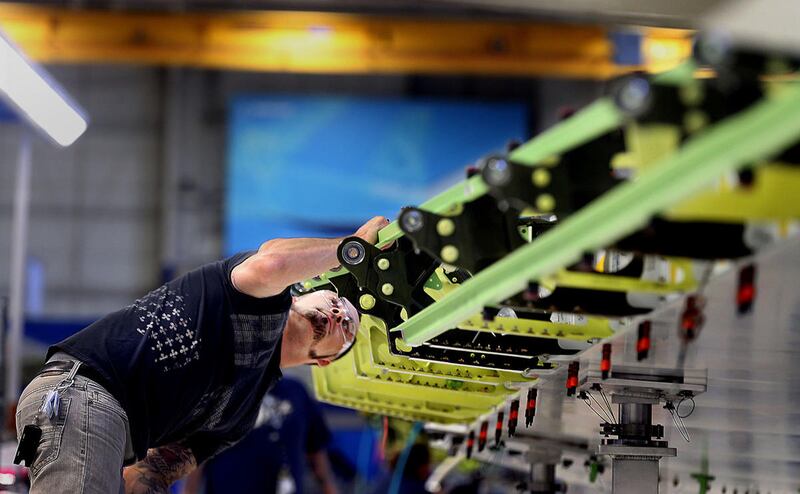
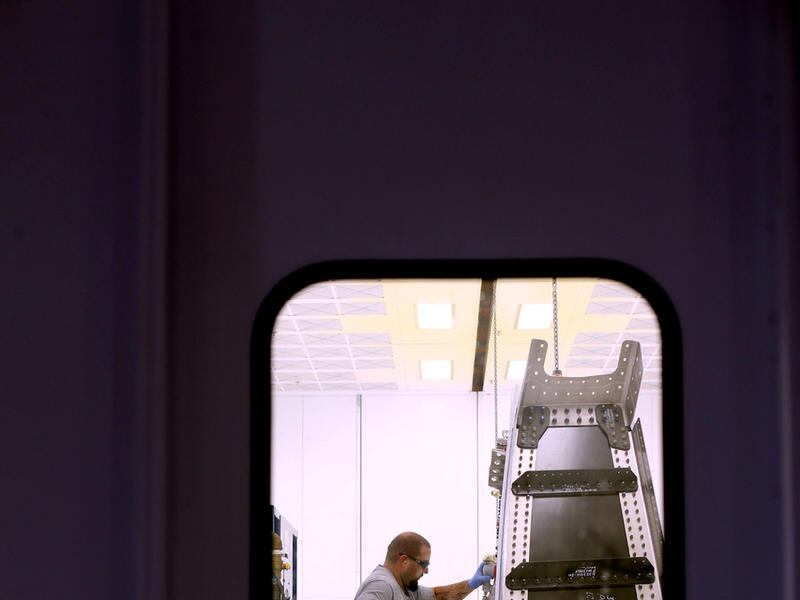
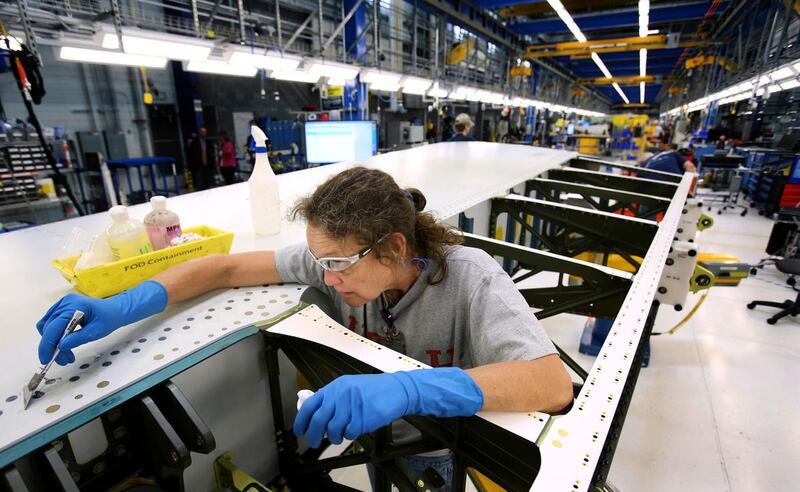
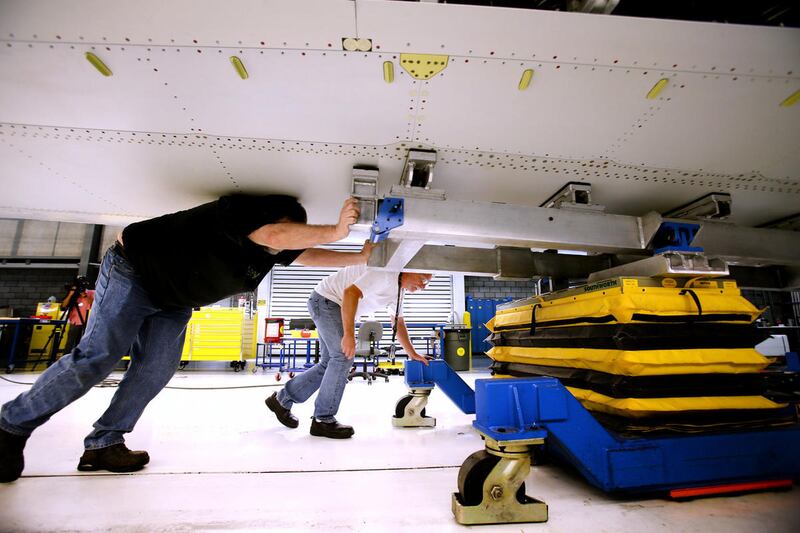
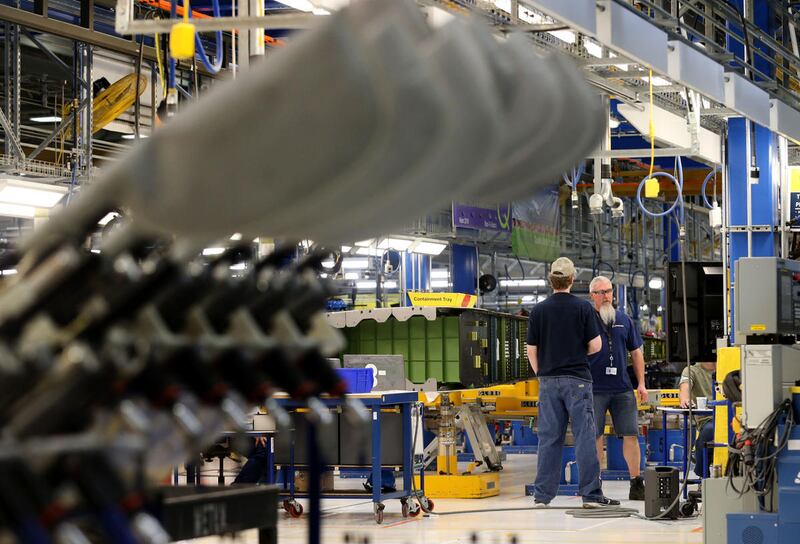
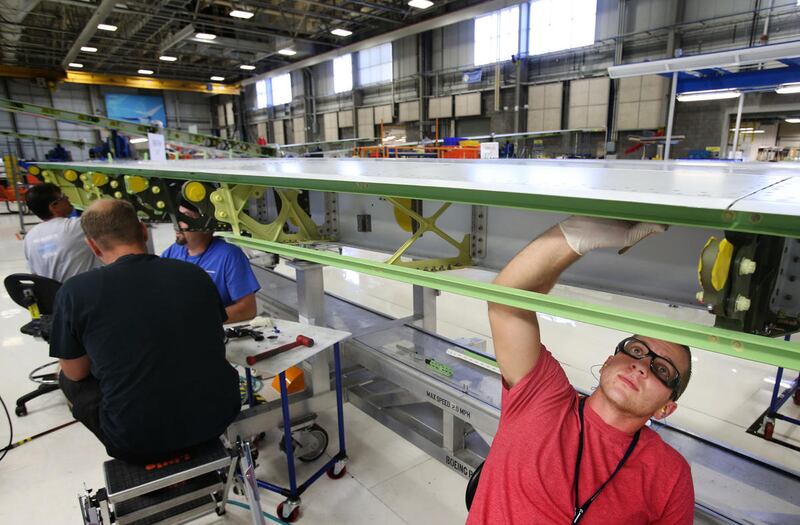
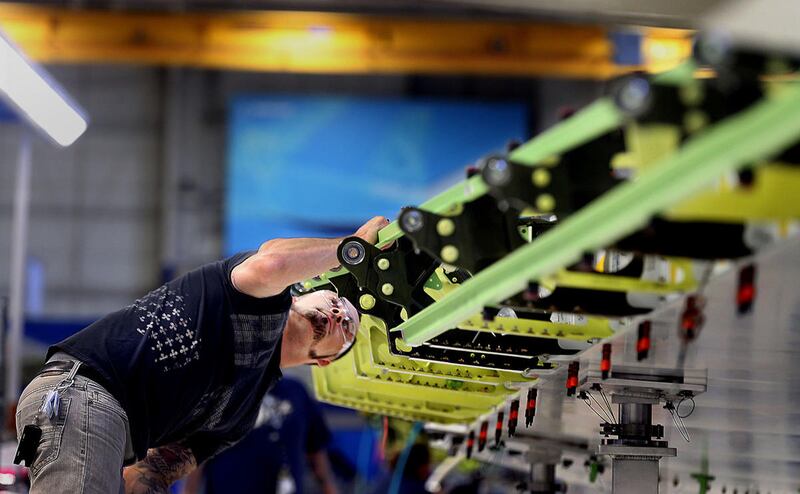
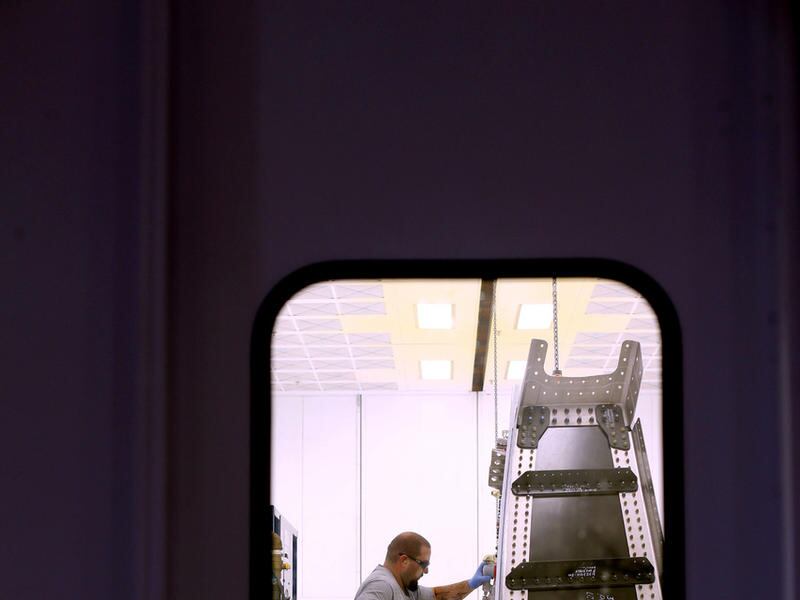
The Utah Aerospace Pathways program, which will give high schoolers training to become certified in aerospace manufacturing upon graduation, includes Janicki Industries — a privately owned engineering and manufacturing firm based in Sedro-Woolley, Washington, that specializes in advance composite materials and exotic metals. It produces parts and tools for several different industries, including aerospace. The company's Utah facility employs 52 people at its Layton facility.
Clint Devitt, vice president and general manager of Janicki Utah, said this program would begin to fill a void in the industry.
"We are in dire need of young manufacturing (workers)," he said. "There are plenty of engineers out there, but as we continue to grow, there is a significant demand for the number of technicians that we need to hire."
He said the new program "will help feed the pipeline of skilled, talented youth" that will help move the industry forward in the coming years.
"We're very interested in getting young people interested in manufacturing-type careers at an early age," he said. "If they demonstrate a certain level of interest and proficiency by going through this (program) and earning the certificate, then we can hire them."
Devitt said once in the field, the individuals could decide to continue along the manufacturing path or consider moving into engineering or design, which would require returning to school.
"This gets them into a fast-growing industry here in Utah," he said.
Upon completing the program, along with passing pre-employment requirements, students would be certified to begin work with one of the aerospace partners in Utah. Wages for new entrants at Janicki and other partners would be greater than $12 an hour, Devitt said, and could more than double with tenure.
Additionally, some of the industry partners will provide tuition reimbursements after a minimum of one year working for the company.
Devitt said that growth in the aerospace and composites industries has fueled the demand for more skilled labor, and that trend is expected to continue, he said.
The six companies partnering in the program are Janicki, Boeing, Harris, Hexcel, Hill Air Force Base and Orbital ATK. The industry partners have also worked with the Utah Manufacturers Association to provide paid internships during the certification process and define the requirements to hire the students as they finish high school.
"The whole intent is that these students will come out of this program ready to work at one of our industry partners," said Deneise Lacy, human resources manager for Boeing Salt Lake. "We've all agreed that we will entertain hiring (them) right out of high school as long as they meet the (necessary) requirements."
She said the program offers students a unique opportunity to move into the workforce into a career they are passionate about, she said. By gaining knowledge about the aerospace industry, they can eventually decide whether they want to go back to college and pursue other career paths within the industry.
Boeing currently employs 932 people in Utah.
"If we want to increase our footprint here (in Utah), we need to be able to know that there is a pipeline ready to support that growth," Lacy said.
The Utah Department of Workforce Services said employment growth in aerospace manufacturing grew 4.5 percent from 2013 to 2014 compared to the state's overall job growth rate of 2.9 percent. Today, the aerospace manufacturing sector employs about 13,000 people in Utah.
The average wage for entry-level production jobs in the aerospace sector are about 12.5 percent higher than other manufacturing sectors, said DWS regional economist Matt Schroeder. "These are good, high quality jobs" that offer flexibility and long-term security, he added.
"The skills are transferable to almost any advanced manufacturing job," Schroeder said. "So there would be a place for them to go even if they move from aerospace. It's sort of a fail-safe program … and that's exciting."
Email: jlee@deseretnews.com
Twitter: JasenLee1