

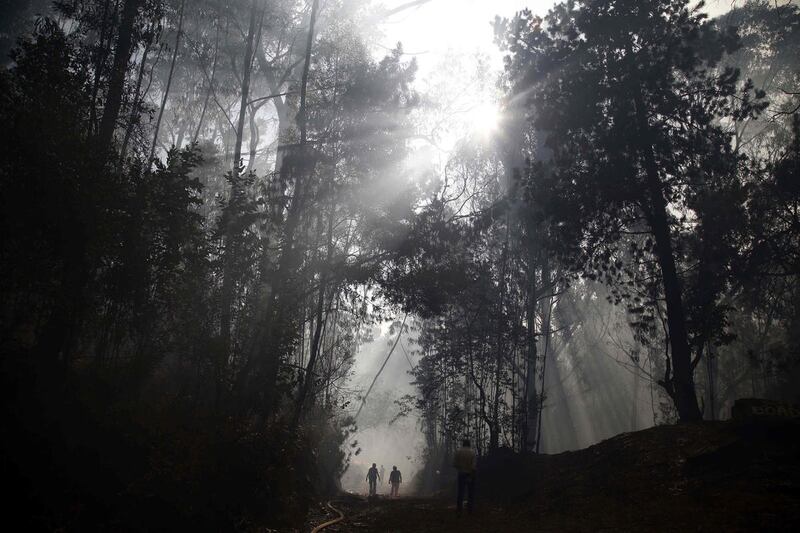
In the mountains of California and Utah, the El Niño weather pattern has brought steady snow — a skier's dream season.
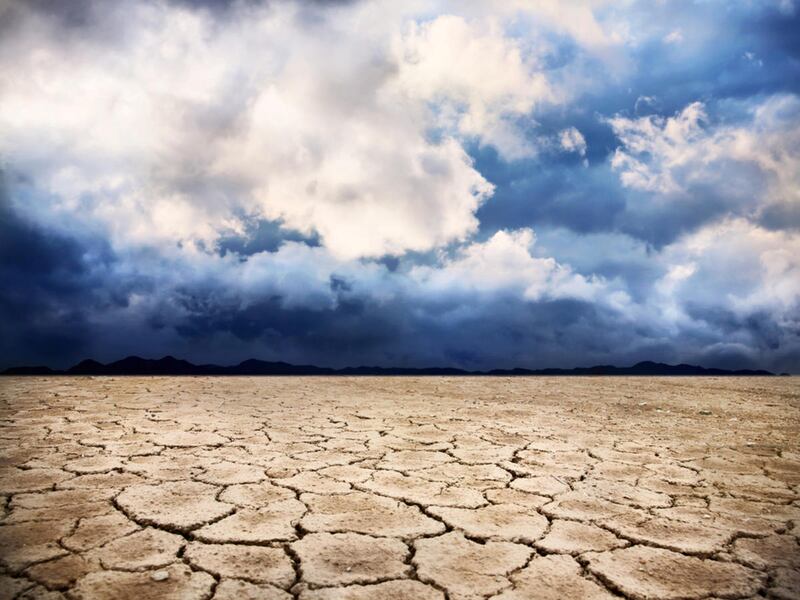
But in other parts of the world, the storm has had an entirely different affect: devastating drought.
Anyone walking around Central Park in New York in shorts earlier this winter knows how the storm has lead to weird weather patterns, but so far El Niño has hit Southern and Eastern Africa the hardest. Governments and aid organizations around the globe are scrambling to keep up with the unfolding disasters and trying to determine how much of the devastation is due to climate change.
Wednesday, the United Nations said regions across Africa are experiencing “the lowest recorded rainfall between October and December” in at least the last 35 years. This week, Zimbabwe’s President Robert Mugabe designated the drought there a state of emergency just as the government in Lesotho, another South African nation, had done at the end of 2015. Forty percent of the population in Somalia, about 4.7 million people, are in need of humanitarian assistance, according to another UN statement. In South Sudan, a quarter of the population is in urgent need of food assistance, according to the Food and Agriculture branch of the UN. The story is similar in South Africa, Malawi, Madagascar and elsewhere around Africa, all largely attributable to El Niño.
In South Africa, a farmer told Al Jazeera that he hadn’t seen anything like this drought in the 50 years his family had been there. "On our farm, there has never been a time when there has not been any maize in December. We could not even try planting seeds. It has been drier than ever," he said. It’s estimated that in South Africa alone the drought will cost farmers more than $600 million in lost crops.
El Niño is a climate imbalance occurring every few years, resulting from a shifting of the Pacific trade winds that typically blow humid air westward along the equator, according to the World Metological Organization. During El Niño, these trade winds slow or reverse and keep much of the Pacific's warm wet air on its Eastern shores. On the West Coast of the U.S., this means mild rainy winters, but drought in Asia and Africa.
In November of 2015, the World Meteorological Organization was already predicting that this year's El Niño would be one of the most devastating on record. The last El Niño of this severity caused the deaths of 30,000 people in 1997-98.
“El Niño’s impact on rain-fed agriculture is severe. Poor rainfall, combined with excessive temperatures, create conditions not conducive for crop growth,” says a situation report from the World Food Program. Though, the report says, El Niño’s impact depends largely on preparedness and response capacity. According to the international aid organization OxFam, a famine results from a “triple failure” of food production, food access and political response. “Crop failure and poverty leave people vulnerable to starvation — but famine only occurs with political failure.”
A forecaster for Columbia University’s International Research Institute for Climate and Society (IRI), Anthony Barnston, told Vice that the droughts in Africa are much more the result of El Niño than climate change or poor agriculture practices but that prolonged warm temperatures prior to this drought along with poor preparedness have contributed to the severity of the disasters.