


SALT LAKE CITY — The Wasatch Front is thriving and the "help wanted" or "now hiring," signs are proof the local economy is growing. If people want work, they can get it.
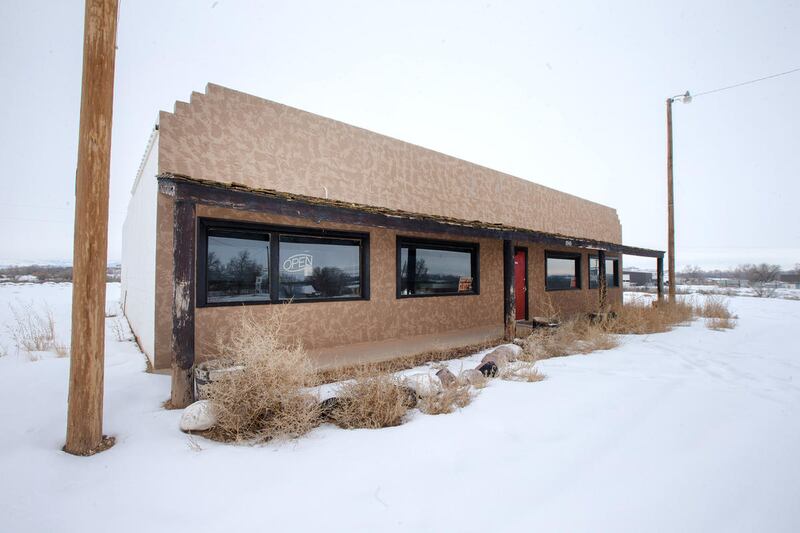
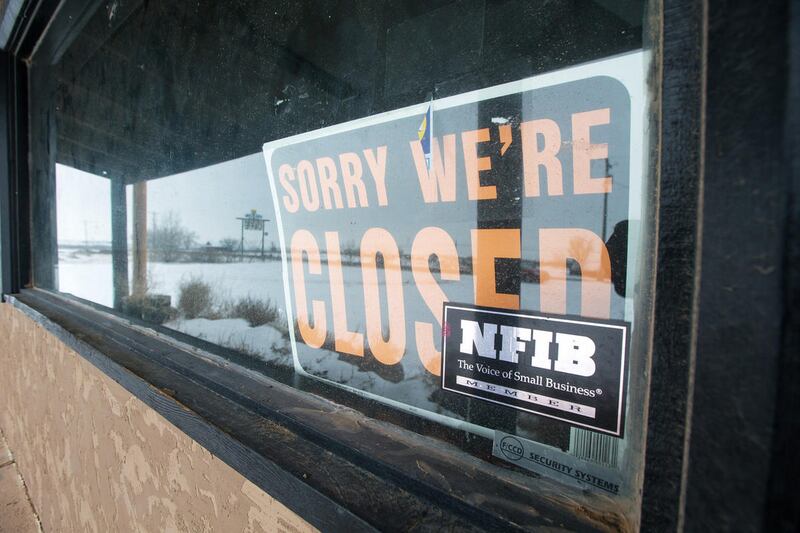
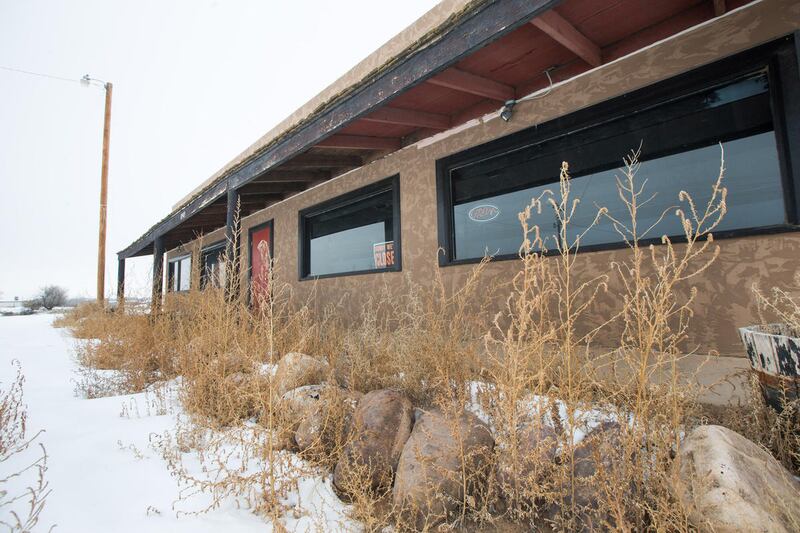
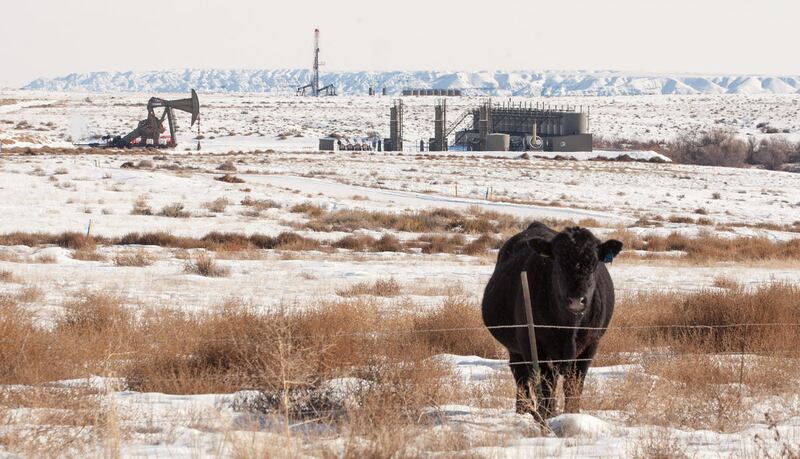
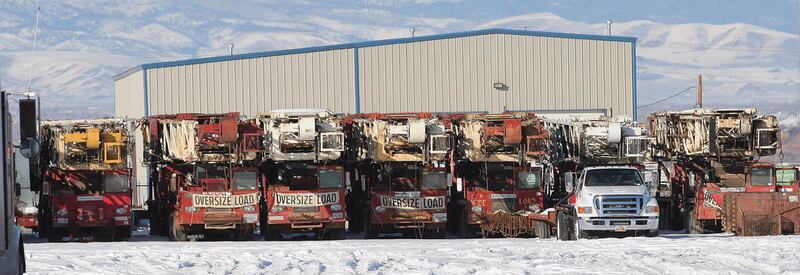
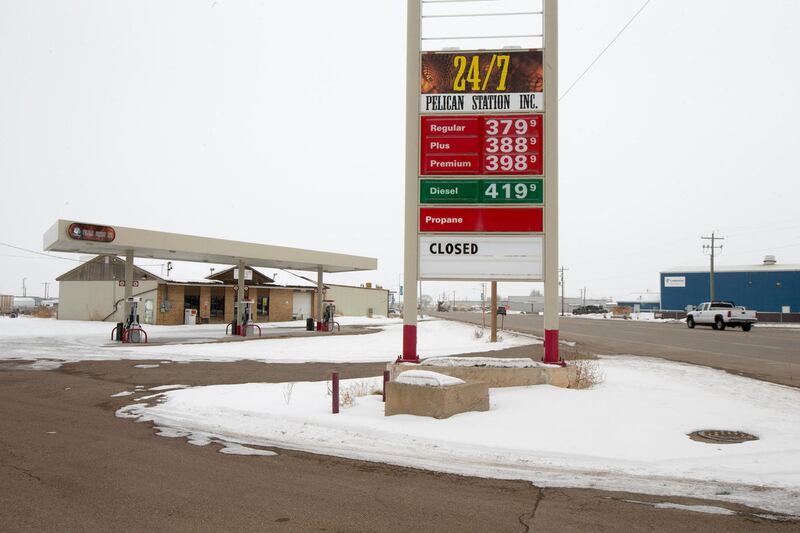
Not so in the Uinta Basin, where the jobless rate is more than double the rest of the state, and the number of the newly unemployed is a statistic that won't stop growing.
Beside the humanitarian wish to help there is ample reason for those throughout the state to care about what's happening in the basin?
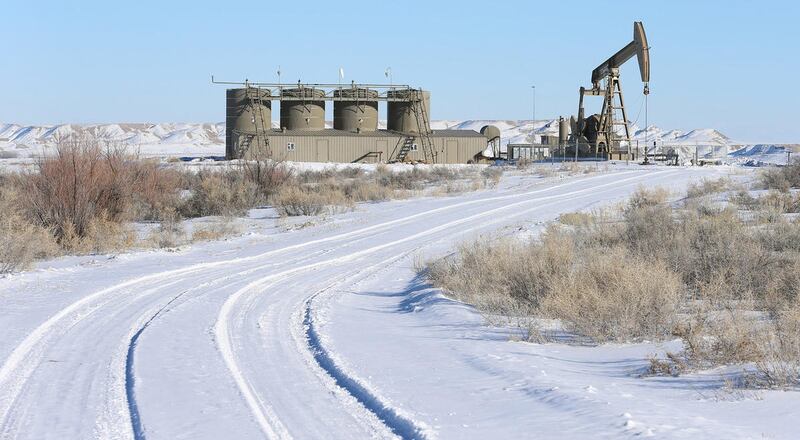
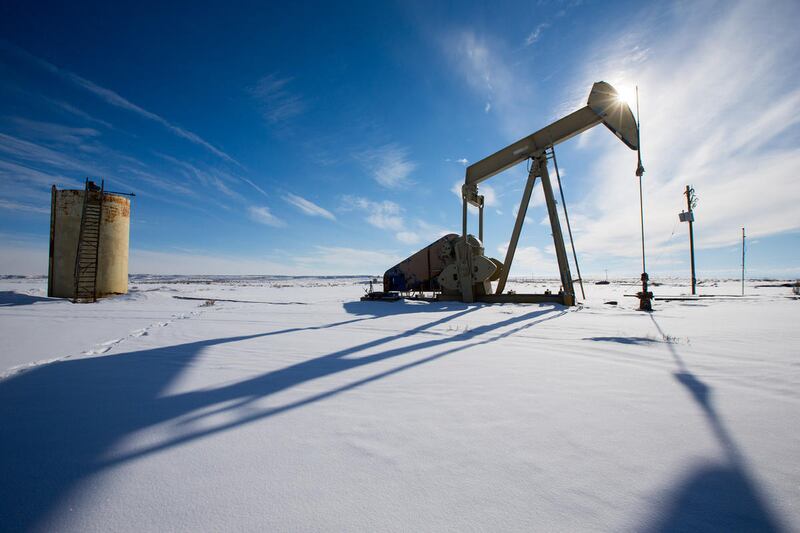
The revenue from oil and gas production is not merely centralized in the Uinta Basin but goes into the state general fund in the form of severance tax.
Revenue from oil and gas production on school trust lands also goes into a pot that is divvied up among public schools to pay for needs agreed on by a school community council. That revenue doesn't know geographic boundaries; it can go to help a child in Provo just as easily as one in Vernal.
The money is also part of another community fund — one that operates statewide — to pay for all sorts of local needs that don't have anything to do with oil and gas, but improves the quality of life for residents.
As an example, oil and gas money:
- Paid $2.7 million in a grant to build the Golden Age Senior Center in Vernal.
Supported a loan of $850,000 for ballfield lighting in 2009 in Vernal.
Bought a new fire truck for the Tridell-LaPoint area for $250,000.
Supported a $5 million grant and a $10 million for the construction of a new, $47 million jail in Uintah County.
Vernal City Manager Ken Bassett said the money from the Community Impact Fund is mainly spent on utility projects that he said are vital to community services. In 2009, for example, the fund paid for $1.5 million in sewer drain improvements.
Utah, too, enjoys some of the lowest natural gas utility rates in the country and exports about 30 percent of the energy it produces. The majority of that is natural gas delivered via pipeline to Las Vegas and California markets and allows Utah to be a competitive player, as well as more self-sustaining.
Jeffrey Barrett, deputy director of the Utah Office of Energy Development, said if people in general desire to see communities thrive, they should empathize with what's playing out in the basin.
"Vernal is a great town. It has seen a lot of economic development, community building, hotels, and all the associated jobs that have been built on the back of oil and gas development," he said. "It is one of the handful of medium-size rural communities in Utah and really takes it on the nose when commodities fall so low."
Barrett said it is the diversity of Utah communities, the rural hamlets, the burgeoning suburbs and mid-size towns like Vernal, Logan and Cedar City that make up the unique fabric of Utah.
"It is in all of our interests as citizens of the state of Utah that those communities are healthy and vibrant, and in Vernal, that health and vibrancy depends on the oil and gas industry. It is part of what makes Vernal great, as well as Roosevelt and Duchesne."
Email: amyjoi@deseretnews.com
Twitter: amyjoi16