


We’re not a team that’s just going to hit and run and do crazy things for no reason. We try to pick our time and where we’re at in our lineup. – Mike Littlewood
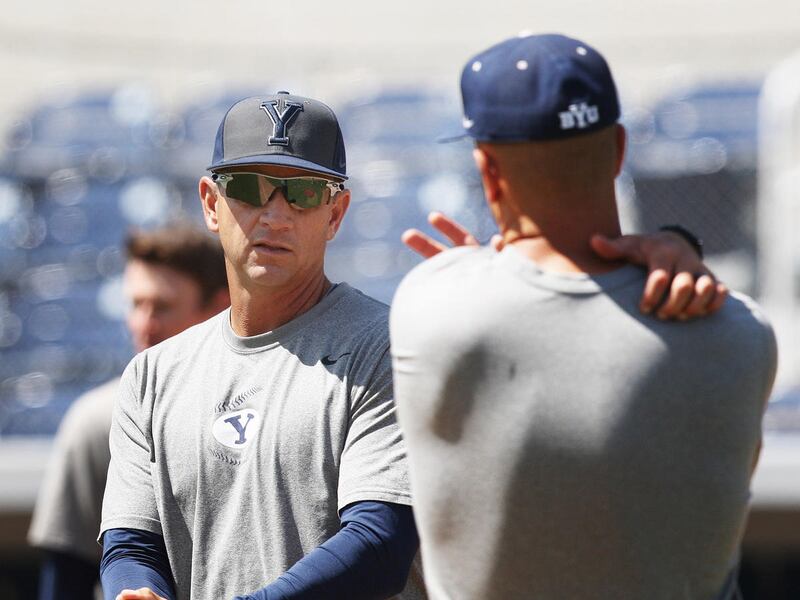
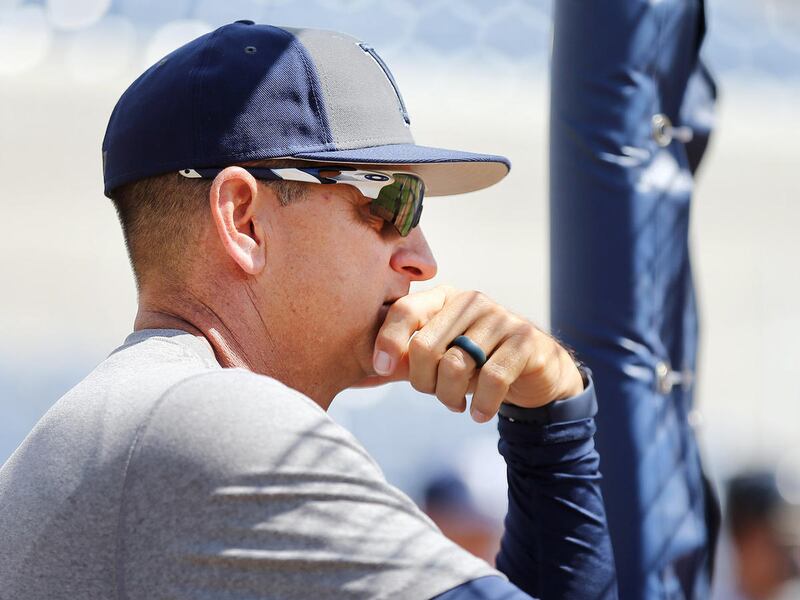
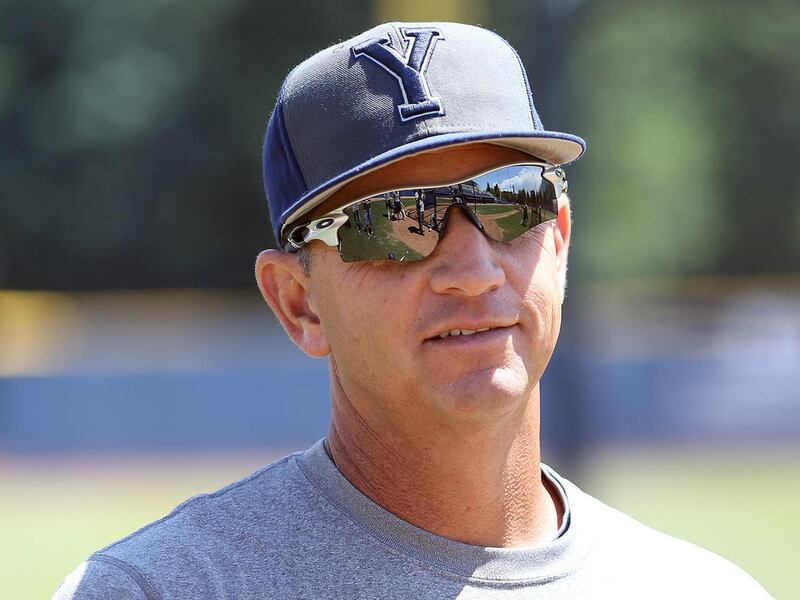
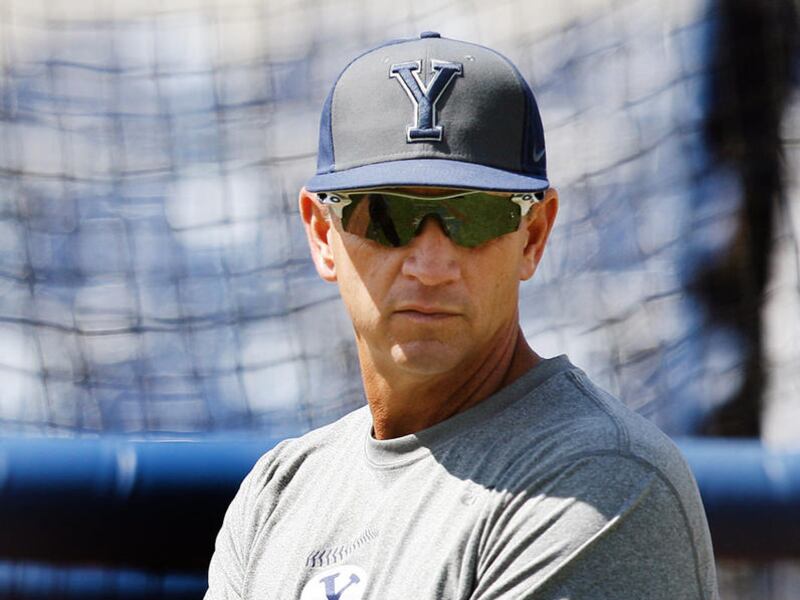
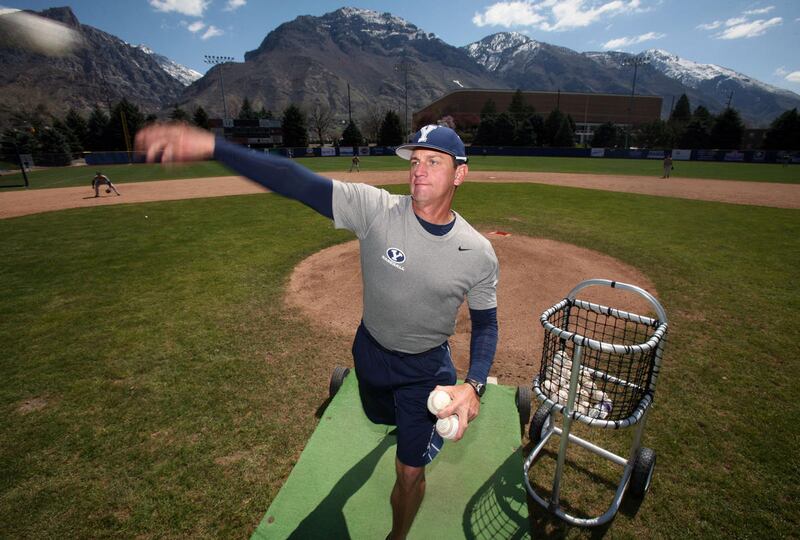
For more than 30 years, whether as a player or as a coach, Mike Littlewood has left an imprint on baseball in the state of Utah.
Nowadays, he's molding young men at BYU in his fourth season as the Cougars' baseball coach. Littlewood is seeking to take the program to new heights, like he did as head coach at Dixie State.
From 1996-2012, he led the St. George team to a 563-238 record and the 2004 junior college national championship — as well as national runner-up in 2001 — and took the team to four JC College World Series appearances. He also led the program to the NCAA Division II regionals in 2012, his final season in southern Utah.
Littlewood — whose playing days included time at Taylorsville High, BYU and being a 27th-round pick by the Milwaukee Brewers in the 1988 MLB draft — has helped elevate the Cougar program. BYU has played in the West Coast Conference tournament three of his four years in Provo. This year, the Cougars earned a piece of the regular-season league title and are in the discussion of qualifying for the NCAA Tournament for the first time since 2002, though an 0-2 record at the WCC tournament hurts those chances.
The Deseret News caught up with Littlewood before the Cougars took off to California for the WCC tournament and discussed his coaching philosophies with the longtime baseball expert.
DN: What are the lessons you hope your players take away from being coached by you?
ML: The No. 1 thing is show up for work every day. Be productive. If you asked our guys what our whole coaching philosophy is about, they would tell you, (No.) 1 is be on time, go to class and give everything you’ve got every single day. Guys who usually leave my program … they’re usually pretty mentally tough.
We’re detail-oriented. We usually don’t miss a whole lot what’s going on on the field, and we hold them accountable.
When they leave here, they’ve been able to overcome some negative stuff … (such as) overcome failing seven times out of 10 at the plate and being able to be productive after that.
Just be productive and show up every single day and give it everything you’ve got. That’s what our program encapsulates.
DN: Who have been some of the strongest influences in how you coach?
ML: I would say going through Taylorsville High School, coach Ron Rushton, my high school coach, was very detail-oriented. We would talk for 30 minutes before the game about what we were going to do in practice. It seemed a little boring back then. We would run bunt defense and we would run all the simple stuff that people think, why are we doing this? Those are the things that win games, those little things. I took a lot from him, how he cared about and approached the game.
In the summer, Barry Sceili, he passed away a while ago, but he was our summer coach. He gave everything he had. He owned a transmission shop. He would meet us at lunch, the players, and throw BP (batting practice) at Granite High School with no L screen. I just remember those guys giving everything they had.
Of course, coach (Steve) Cramblitt, legendary high school coach, was the JV coach for basketball and baseball when I was at Taylorsville. I coached with him. I think he taught me a lot of the organizational side, how to put together a practice plan when I was young.
Obviously, coach (Gary) Pullins here at BYU was a good mentor for me. I feel super fortunate to be around really good people. Bruce Hurst, when I was managing and coaching independent ball down in St. George, just really good, quality people who do things the right way.
DN: How would you describe the style of baseball you like to teach as a coach?
ML: I would say cautiously aggressive, if I could come up with a term. We like to take opportunities when they are given. We’re not a team that’s just going to hit and run and do crazy things for no reason. We try to pick our time and where we’re at in our lineup.
As I mentioned before, we want to be detail-oriented. When guys go out on the field, I don’t want any surprises. I want to know that they know what to do in every situation. We really pound that stuff in practice — first-third defense and offense and bunt defense and offense, going over signs, all those little things that make up the big game.
I really don’t like surprises, so we try to cover every situation possible in practice so during the game, you can just roll out the balls and let them go play.
DN: Do you see yourself as a hands-on kind of coach or more hands-off?
ML: I would say I’m hands-on, but I also try not to meddle in what’s going on (with assistant coaches and their roles). I let JT (Jeremy Thomas) do the pitching stuff and Brent (Haring) do the outfield stuff and then Trent (Pratt) does the hitting stuff.
If there’s something I see in a particular hitter, I might mention it to him right now, but then I’ll talk to Trent about this so he can work on it.
That’s been a blessing for me, to have good baseball people around who you don’t have to look over your shoulder and make sure they’re doing what they’re (supposed to be) doing. Trent’s the best catching guy around, Brent does a great job with outfielders and JT has that pitching staff — you know without the injuries, we’d probably be one of the best staffs in our league.
I don’t miss a whole lot, as far as what’s going on, but I’ll go through the coach most of the time and say I have something so that they can deal with that.
DN: What have you learned from this season that can help you as a coach?
ML: The special thing about this team is the camaraderie. You kind of realize that. I’ve been a coach at the college level for over 20 years now and you realize how important team chemistry is. But this year in particular has shown me that, because there is so much parity at this level of baseball.
Every single game you play, with the exception of maybe the Niagara series which we were expected to win every game, you have to play your best to win the game. What carries you over a lot of those games — we came from behind over 15 times this year — and what allows you to do that is guys picking each other up and loving each other, wanting the guy in front of you to succeed instead of hoping he doesn’t do well.
That stuff matters, and this year I think more than anything with so much parity, it takes that brotherhood and that chemistry and that bond to carry you to a 37-plus win season. If there’s a little bit of dissension, nobody really cares if you are behind in the fifth inning by two or three runs. People can feel that.
The biggest thing for me is, if you can stick together, you can overcome a lot of things you wouldn’t be able to overcome if everyone’s going their own direction. I would honestly say we don’t have own guys going their own direction of the 35 guys on the roster this year.
Email: bjudd@deseretdigital.com; Twitter: @brandonljudd