








“GHOST IN THE SHELL” — 2½ stars — Scarlett Johansson, Pilou Asbaek, Takeshi Kitano, Juliette Binoche, Michael Pitt; PG-13 (intense sequences of sci-fi violence, suggestive content and some disturbing images); in general release
Based on the Masamune Shirow comic book, which was turned into a popular animated film in 1995, director Rupert Sanders’ “Ghost in the Shell” is evocative of many other science fiction films. Seasoned filmgoers will find themselves thinking of “Blade Runner,” “Minority Report” and “The Matrix,” and the soundtrack will probably remind them of “Tron.”
There’s nothing inherently wrong with that, and to its credit, “Ghost in the Shell” features some incredible visuals. But as a total movie, Sanders’ effort is all dressed up with no place to go.
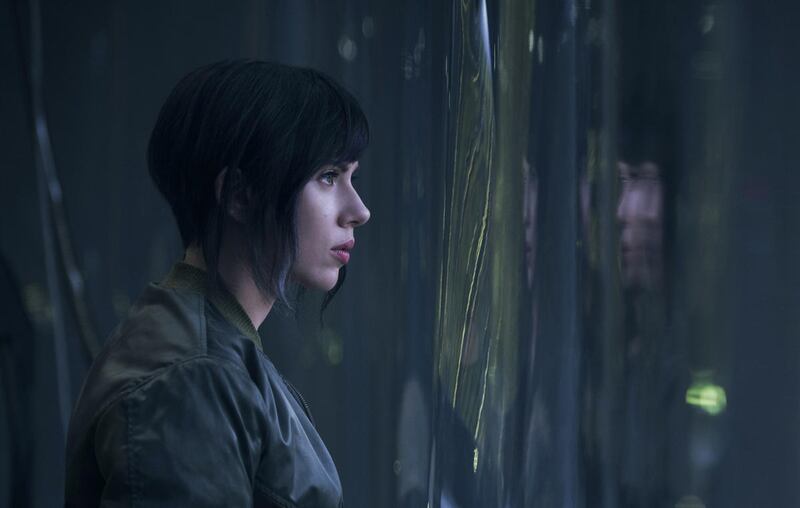
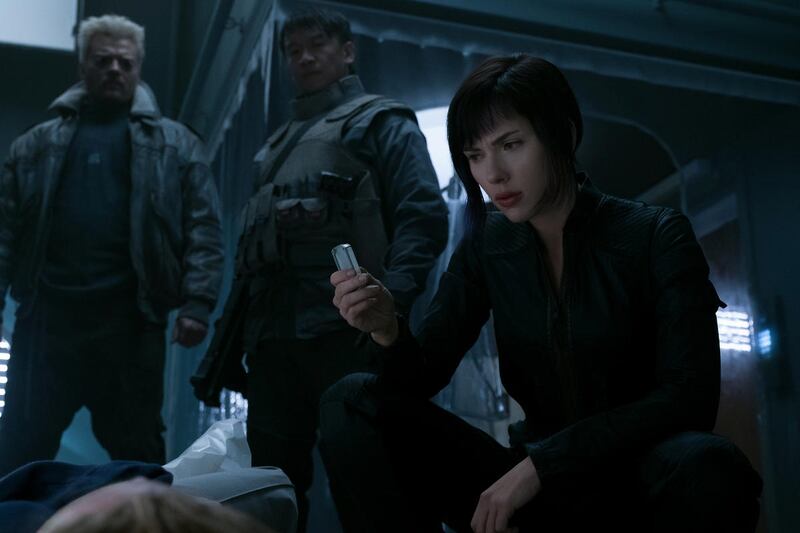
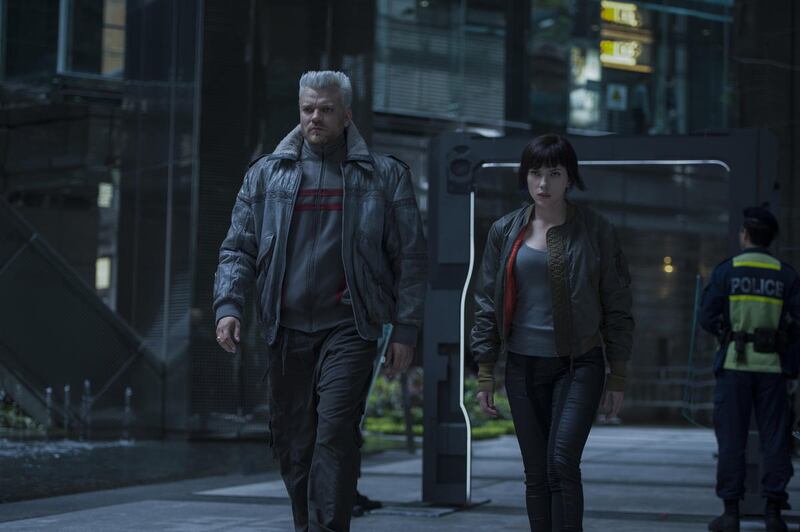
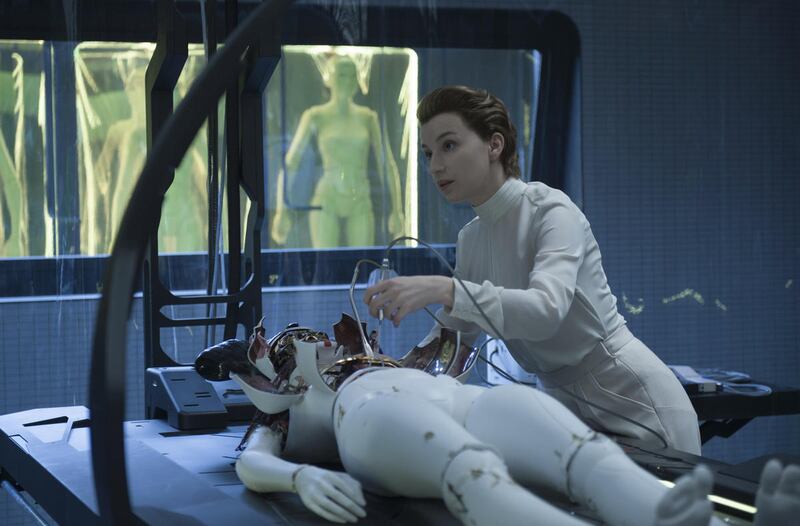
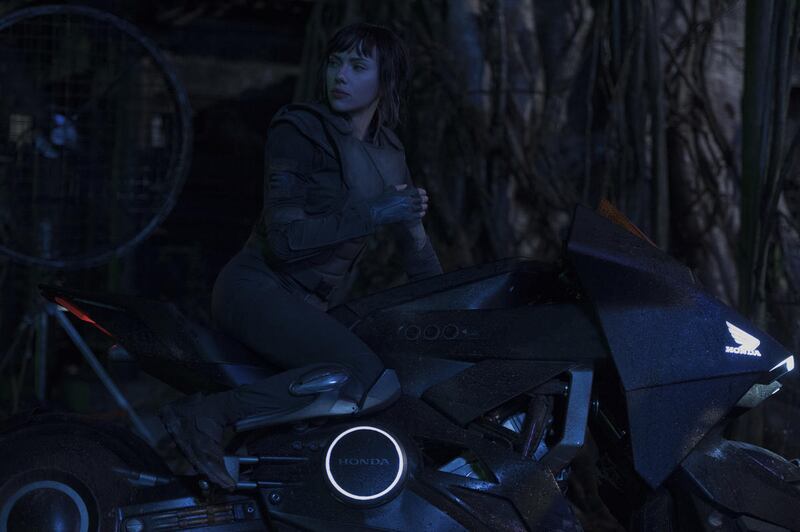
The story centers around a cyborg named Major, played by Scarlett Johansson. Major’s brain is her last remaining human element, encased in a robotic shell. She can remember little about her former life other than fleeting images of the terrorist attack that nearly killed her.
Major’s cybernetic body is a pioneering leap forward for Hanka Robotics, a company that has been helping the population blur the line between humanity and custom bionic parts for years. Bionic parts have become so fashionable, in fact, that unmodified people will accessorize themselves to look like they have had implants.
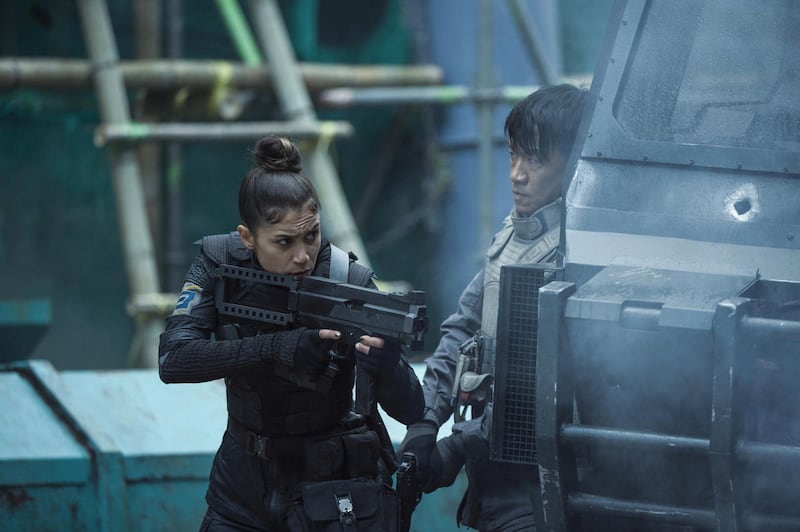
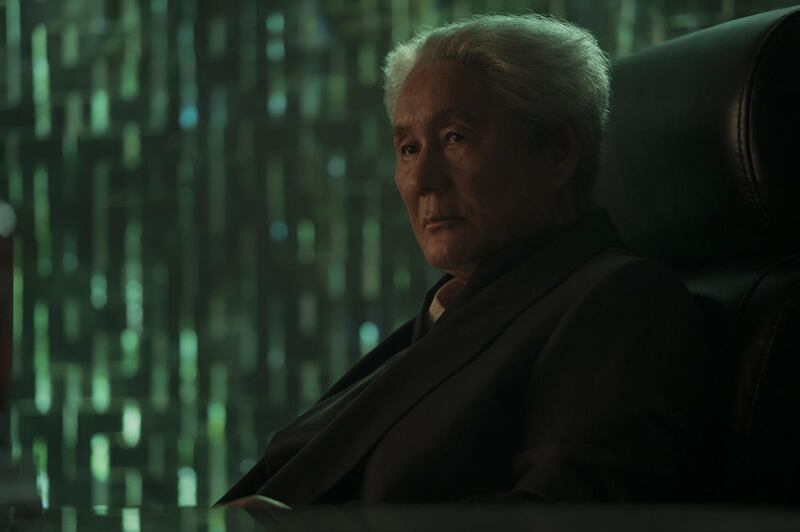
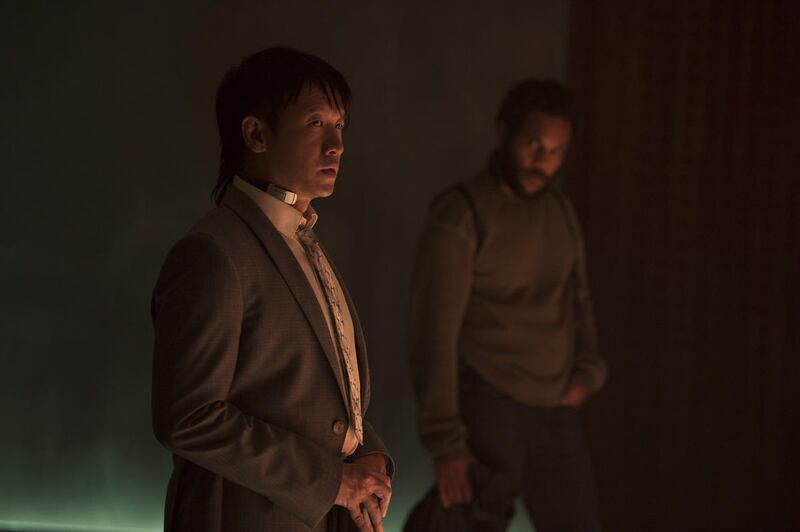
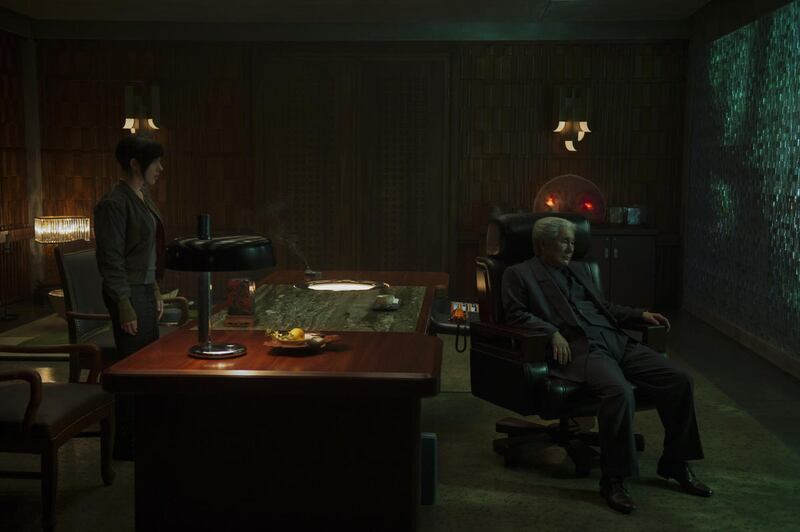
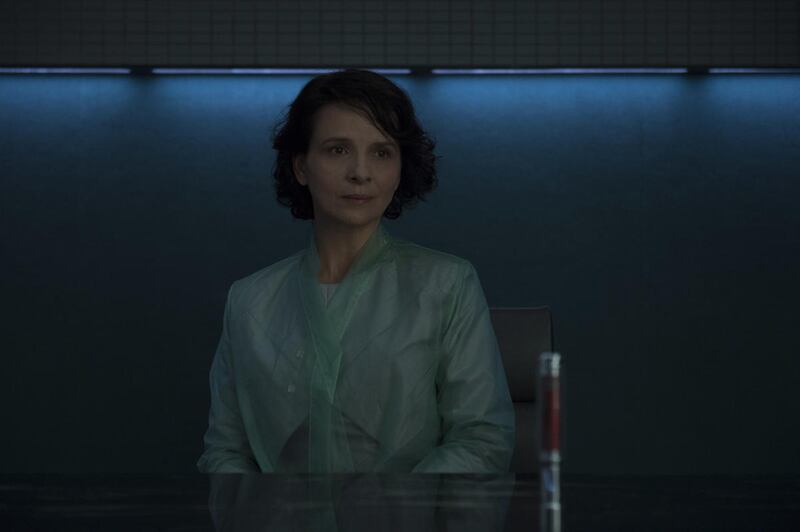
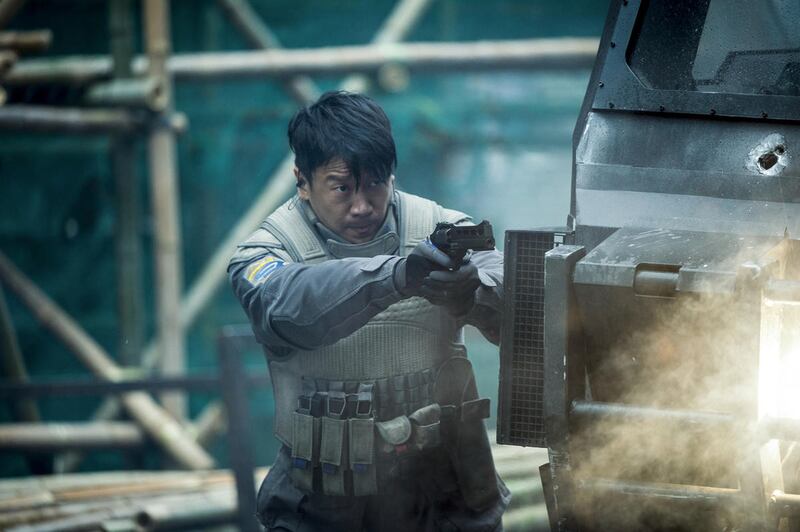
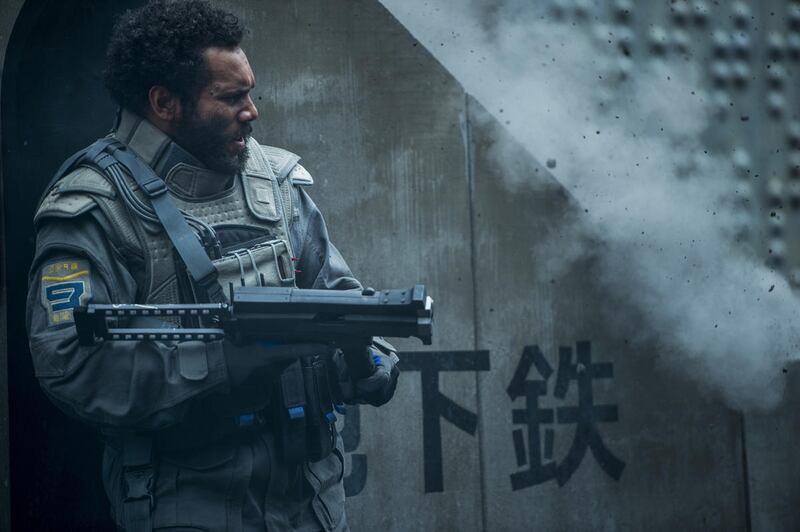
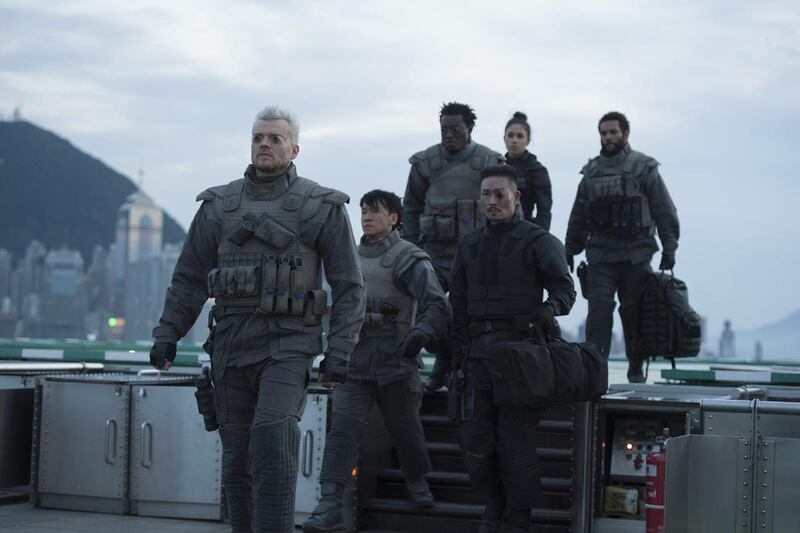
Under the watchful hand of Hanka’s Dr. Ouelet (Juliette Binoche), Major is recruited into Section 9, a group of government operatives that are called to investigate the murder of several top-level Hanka executives. A mysterious figure called Kuze (Michael Pitt) has been hacking various robots and turning them against the powerful company.
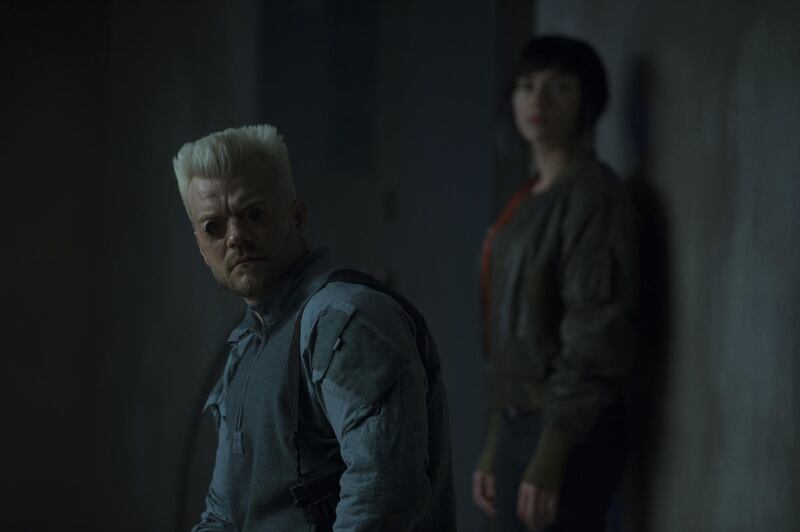
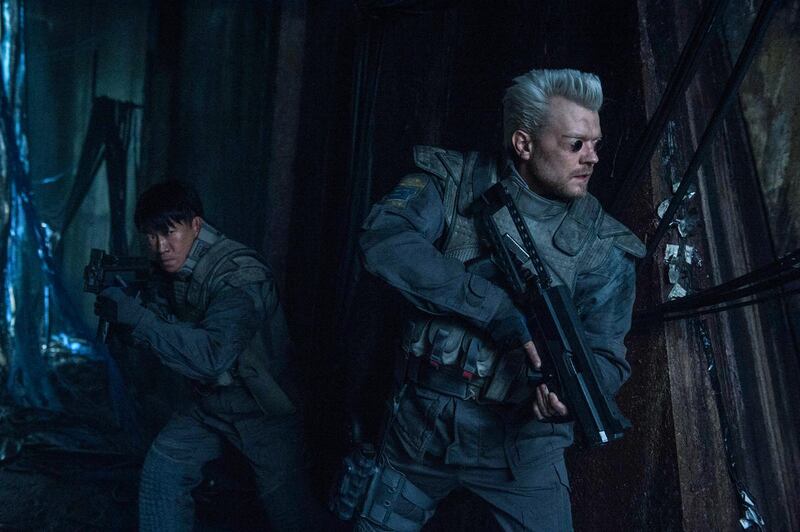
Thanks to her cyborg status, Major is able to “deep dive” into the programming of a damaged robot in order to track down Kuze, but the experience seems to unlock some disturbing memories. As Major and her partner, Batou (Pilou Asbaek), work to hunt down the mysterious hacker, the groundbreaking super-agent learns that there is more to her past than she has been told.
We get the impression that Major was built for action, but “Ghost in the Shell” only seasons its cyber-noir plot with occasional bursts of CGI dramatics. With proper pacing, this could work. Unfortunately, Sanders moves the story along at such a ponderous, plodding pace that the audience is always two steps ahead of what is going on. Revelations don’t feel revelatory, and soundtrack booms and slow-motion visuals can’t imbue a routine plot with a genuine emotional connection.
At times the movie hints at potential depths, mining the relationship between Major’s human mind and cybernetic body, and suggests deeper themes about the nature of the soul. But this kind of potential is quickly disregarded as a too-familiar plot unfolds in too-familiar ways.
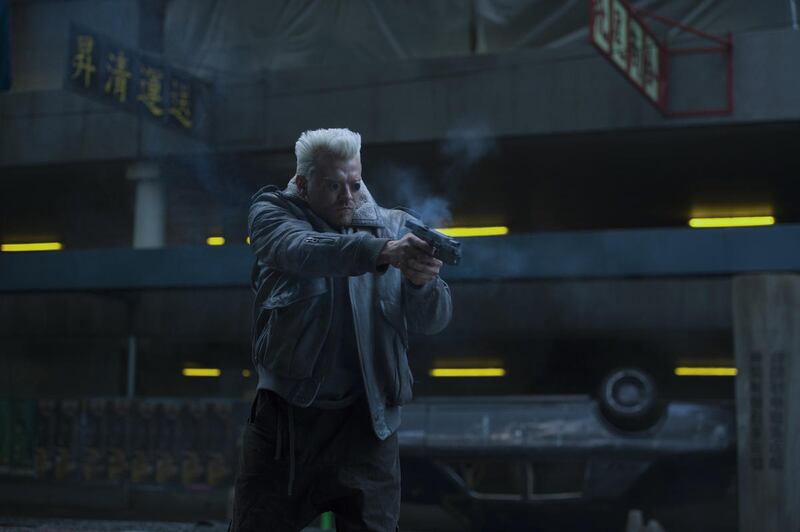
“Ghost in the Shell” has an amazing backdrop, leaping from the dank dystopian Asian techno-future of “Blade Runner” into a more enhanced 21st-century visualization (meaning there are lots of skyscraper-sized hologram ads). Instead of an alien world of the future, we see hints of the familiar — for example, Batou’s car appears to be a modified 1980s Lotus Esprit.
There’s also a lot of CGI attention on Major, whose otherwise human-looking form morphs into a kind of super-body suit for sporadic passages of intense action. Johansson's character is definitely a product of its sexualized comic book origins, though Sanders does manage to keep her in normal clothes most of the time. But regardless of what she's wearing, too often Johansson has nothing to do but stare out of Major's cybernetic eyes.
Fans of the comic may have a different experience, and simply appreciate Shirow’s work visualized on the big screen. To be fair, even if “Ghost in the Shell” feels unoriginal, or a little lost in the shuffle among recent films like “Ex Machina” or TV’s “Westworld,” it is coming from source material that’s pushing 30 years old. But whether “Ghost in the Shell’s” story is faithful or not, it feels empty, and the final product feels like a missed opportunity.
“Ghost in the Shell” is rated PG-13 for intense sequences of sci-fi violence, suggestive content and some disturbing images; running time: 107 minutes.
Points for parents
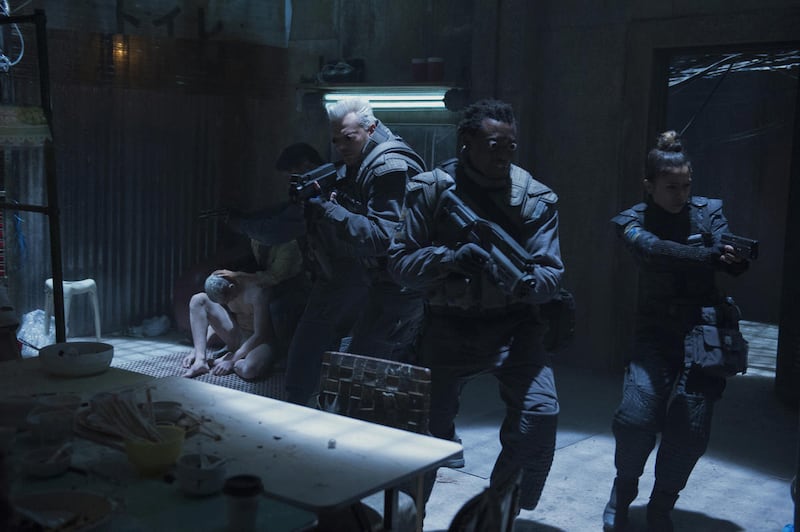
• Violence: There are many acts of violence throughout the film as a law enforcement semi-military unit attempts to capture a terrorist. People are shot and some taken captive at a private dinner. The bad guys are shot as law enforcement intervenes. A woman has a cattle prod shoved into her. She fights off her captors and her partner shoots up the club they are in. A garbage truck crashes into a car. The garbage men then shoot up the car, trying to kill those inside. Offscreen, a man commits suicide in captivity by hanging himself. An explosion hurts two characters who must fight against a spider tank. Men try to assassinate a government official.
• Gore: Pieces of the main character’s body are damaged but repaired by scientists.
• Language: Some uses of profanity and profane gestures.
Shawn O'Neill