


SALT LAKE CITY — The Utah Department of Transportation indefinitely extended its public comment period for an environmental analysis of possible transportation fixes to the congestion in Little Cottonwood Canyon — which means yet another delay to solutions.
The push on the pause button comes as the agency said it will provide an additional $13 million for a transit hub at neighboring Big Cottonwood Canyon and the Wasatch Front Regional Council identified the need for an additional lane in Little Cottonwood Canyon.
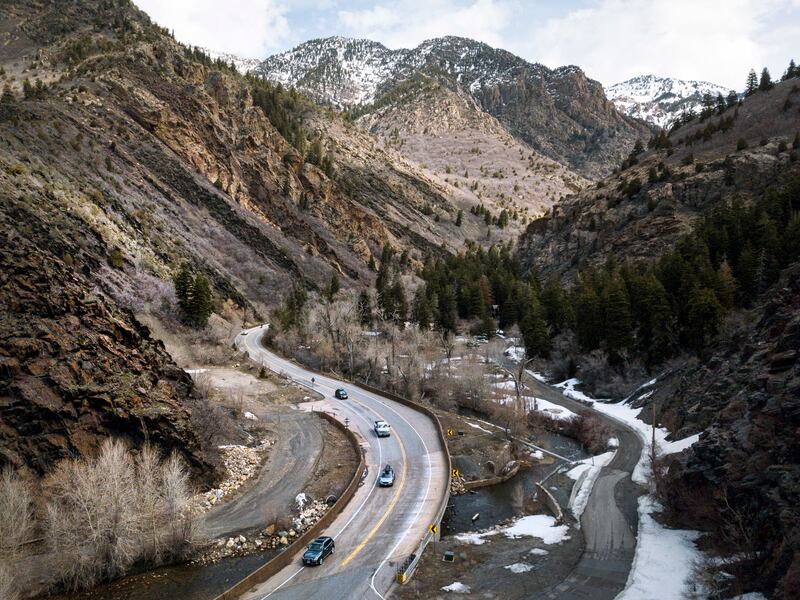
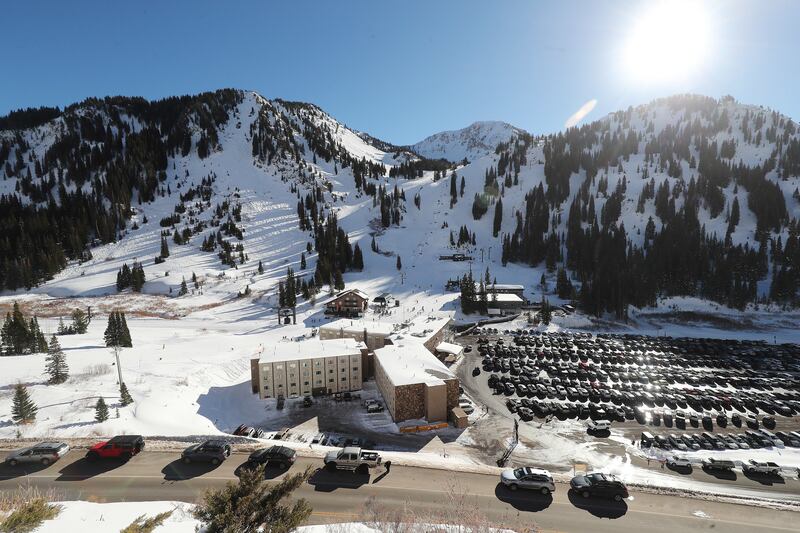
Both canyons supply about 30 percent of the drinking water in the Salt Lake area, are home to four ski resorts and host millions of visitors each year.
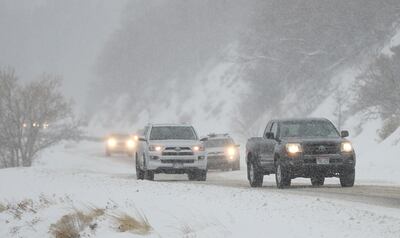
Friends of Alta, Alta's local land trust and an environmental advocacy organization, met with the Deseret News and KSL editorial boards this week to discuss the need for an additional component of the analysis — a capacity study.
"Our goal is to support any type of road improvements, but one of the things we think is important is to look at capacity, which is actually more important in the summertime," said Peter Corroon, president of Friends of Alta.
Pat Shea, attorney with the group, said at some point planning authorities will need to think about a reservation or fee system for the canyon to control crowds, and that should be part of the conversation for a long-range plan.
"How many people can you have up there before they do irreparable harm?"
The organization is pressing for the capacity analysis, which it says can be done for an extra $1 million by the University of Utah. The Utah Legislature set aside $100 million for priority transportation projects, and a commission allocated $66 million of that for Little Cottonwood Canyon.
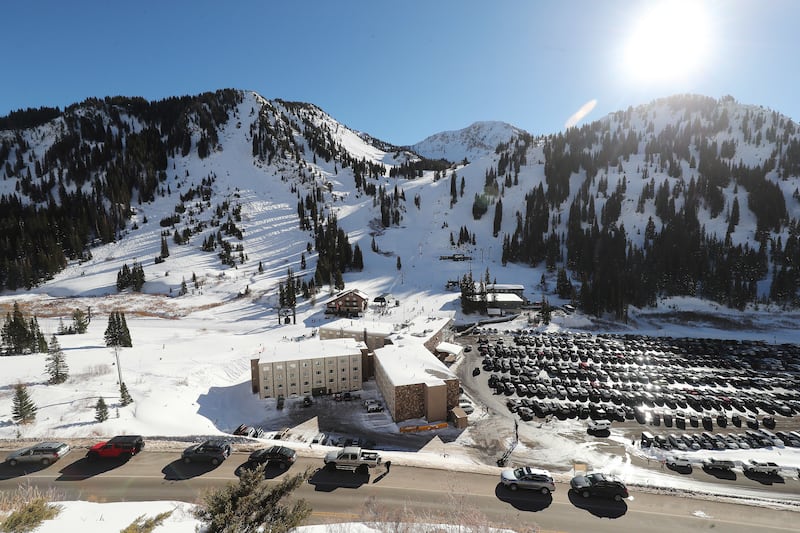
Shea said transportation improvements have to be studied with the watershed in mind.
"We inherited this incredible watershed we need to protect," he said. "Yes, we need to improve transportation, but not at the cost of destroying a vital watershed."
John Thomas, project manager for the transportation agency, said all options remain on the table as it goes through the extensive comment and review period.
"We welcome their comments," he said, stressing that probing carrying capacity in the canyon has been an ongoing discussion for years.
"Over the next few years, we will be evaluating these comments or alternatives and determining the direction from that," he said.
It will take at least two years to conduct that review and release a draft environmental impact study for additional analysis.
Thomas said the agency is continuing to get comments that detail a variety of solutions such as trains, gondolas, tunnels, tolling and more.
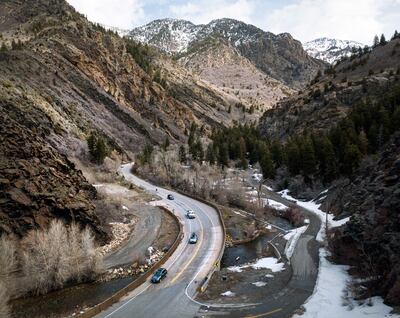
Carrying capacity is an option that can be part of the discussion, he added, and is important for a canyon that has the highest avalanche danger in the country.
The new money dedicated for Little Cottonwood Canyon will help with fixes both in the short term and long term, he said.
"For the first time we have the ability to work collaboratively in a productive way to determine what some of the solutions in the canyons are."
For Friends of Alta, it says a big step is to determine the "tipping point" when it comes to people.
Corroon said it is not about shutting the door, but having the knowledge for better management.