


Parasocial relationships are one-sided bonds that people develop with fictional characters, celebrities, and even chatbots. These “relationships” are becoming increasingly common among teens in Utah and across the country. While they can have benefits, parasocial connections can also lead to unhealthy attachments and limit teens’ real-life friendships and experiences.
The term “parasocial relationship” has been around for 70 years. It was coined by psychologists Donald Horton and R. Richard Wohl in 1956, when televisions became widely available. A teen who’s in this type of “relationship” feels a deep sense of intimacy or familiarity with someone they have never met, typically a movie star, influencer, musician or other media figure.
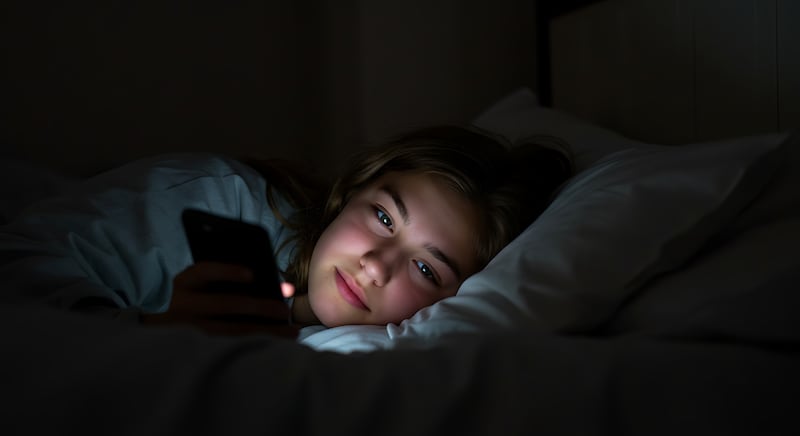
Artificial intelligence (AI) has provided a new arena for the growth of parasocial relationships, in the form of AI chatbots. Many young people have become dependent on chatbot usage for advice, academic assistance, friendship and even therapy.
The Role of Social Media in Parasocial Relationships
Social media platforms have transformed the way parasocial relationships are formed and maintained. Unlike traditional mass media, social media allows media users to interact with media personalities in seemingly direct and personal ways—through comments, likes, shares, and even private messages. This gives young people the feeling that there’s a two-way connection, which makes the one-sided relationship seem more real and engaging.
By following celebrities, influencers, or even fictional characters on social media, teens get glimpses of their personal lives, interests, and daily routines. This constant stream of updates can deepen the sense of connection and intimacy, as fans begin to feel like they are part of the celebrity’s world.
Mental Health Benefits and Risks of Parasocial Relationships
For the 1 in 3 young adults who report feeling lonely, parasocial connections could be filling a void and providing comfort. Research from Scientific Reports shows that our feelings are shaped by the people we’re close to, even if those connections are just in our heads.
While some studies show these one-sided bonds have benefits that can improve mood, they also have risks that can impact mental health through negative self-comparisons. In addition, parasocial relationships can lead to intense obsession, anxiety, or neglect of real-life social relationships.
So-called “parasocial breakups” can also be hard on teen mental health. If one of these unreciprocated relationships ends—when a long-running TV show ends or a celebrity retires, for example—a young person may feel a profound sense of emptiness and loss.
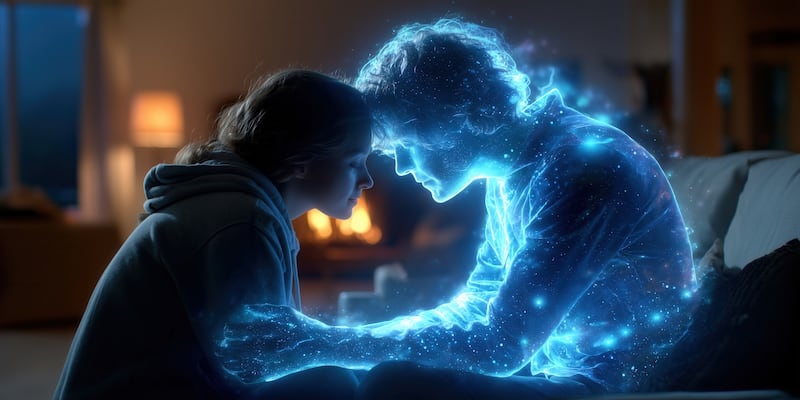
How to Tell If Your Teen Is in an Unhealthy Parasocial Relationship
If you’re a parent, guardian or mentor for a teen who has an intense one-sided relationship with a celebrity or chatbot, consider the following questions:
- Is the parasocial relationship taking the place of in-person, genuine relationships in your teen’s life?
- Are they neglecting real-life responsibilities and friends?
- Are they consumed with finding out more and more information about the celebrity?
- Do they consider this online personality or chatbot a friend, or believe there is a mutual connection?
- Do they seem anxious or sad when not engaging with the relationship?
If you answered yes to some or all of these questions, your teen might be in an unhealthy parasocial relationship. If so, it’s important to put boundaries in place to protect their mental health and investigate what’s driving their behavior, as intense parasocial relationships can be a sign of underlying teen mental health disorders. To find out what’s driving the obsession, consult a mental health professional, who can provide an assessment and offer care recommendations.