

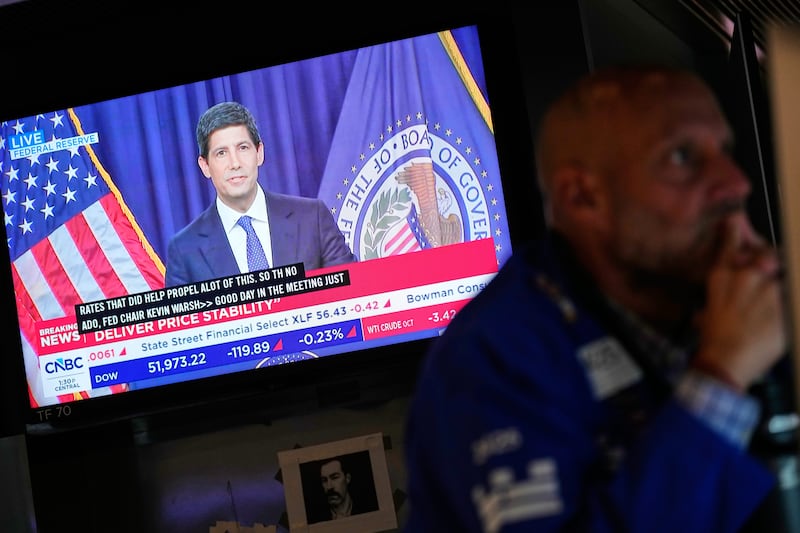

- The Federal Reserve voted unanimously Wednesday to raise its benchmark federal funds rate.
- The 0.25% increase raises the rate for intra-bank overnight lending to 3.75% to 4%.
- The rate trickles down to consumers including impacts on mortgages, credit cards and big-ticket spending.
For the first time since July 2023, the Federal Reserve voted to raise its benchmark interest rate on Wednesday citing persistent increases in the cost of consumer goods and services that have run well ahead of the U.S. central bank’s target rate for years.
The increase, which boosts the Fed’s benchmark rate by 0.25% to a range of 3.75% to 4%, was widely anticipated ahead of the monetary body’s two-day policy meeting that concluded Wednesday.
U.S. inflation has held stubbornly above the Fed’s target annual rate of 2% for nearly 5 1/2 years and has been trending upward in recent months thanks to petroleum industry price shocks, new international trade tariffs and economic headwinds driven in part by massive investment in artificial intelligence infrastructure.
Fed chairman Kevin Warsh, who signaled that a rate hike could be in the offing in comments made at an annual economic conference in Jackson Hole, Wyoming late last month, said the move was squarely aimed at addressing one side of the central bank’s two-part mandate of maintaining price stability alongside supporting maximum employment.
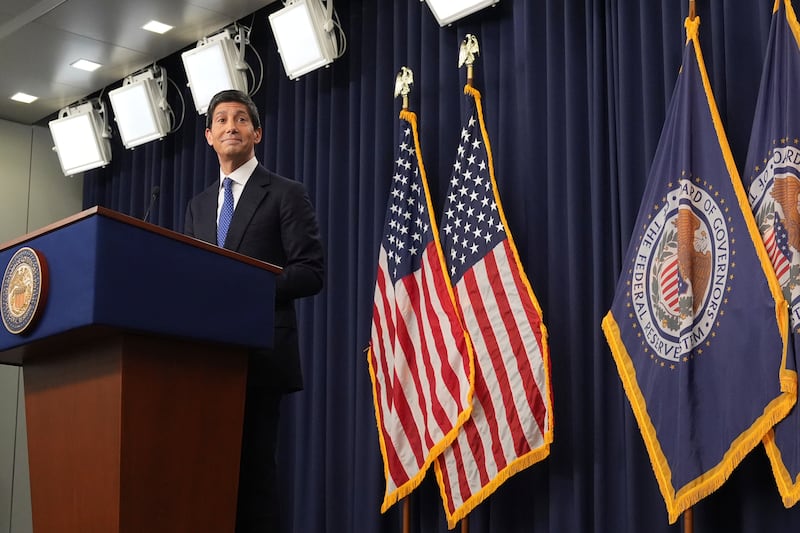
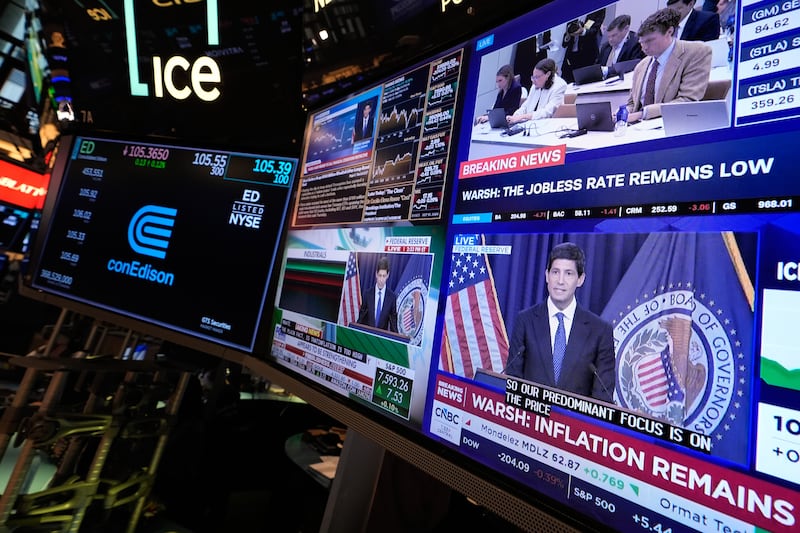
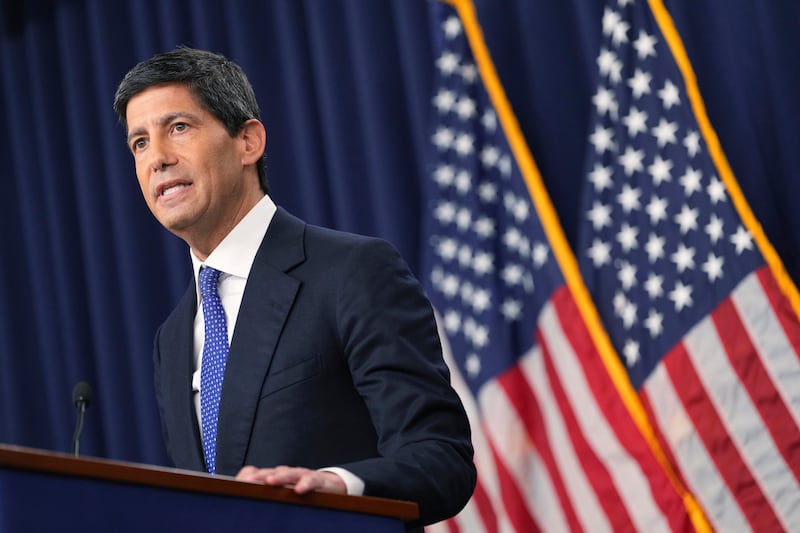
“The plain fact is that inflation is too high and has been for too long,” Warsh told reporters at a Wednesday press conference. “We must be confident that underlying inflation is moving to our objective, clearly and at sufficient speed. Today, the (Federal Open Market Committee) decided that this standard has not been satisfied.”
The increase earned unanimous support in a 12-0 vote by the policy setting FOMC, which had seen numerous dissents in recent votes that had left the rate untouched since a series of reductions in the Fed’s final three meetings of 2025.
Most economists were predicting a rate hike following new federal data releases, which arrived after Warsh’s summit speech, that included an unexpectedly upbeat August jobs report and new inflation data that showed the rate of U.S. price increases still on the rise.
Generally speaking, Federal Reserve rate cuts help spur economic activity by reducing the cost of debt, which can promote business activities like investment and hiring. Rate hikes, which increase the cost of consumer and commercial debt, are intended to quell spending and help slow down inflationary price increases.
The Fed also released economic projections on Wednesday, including a so-called dot plot graph that indicated most of the body’s officials, a group that did not include Warsh, expect another rate hike before the end of the year.
So, what does the rate change mean for me?
Where the Federal Reserve sets its federal funds interest rates — the interest charged on lending between banks to maintain required reserves based on a percentage of each institution’s total deposits — trickles down to consumers in numerous ways. Here are a few financial areas to keep an eye on in the changing economic landscape:
Mortgages
Mortgage rates don’t necessarily move in tandem with the Fed’s rate changes. Sometimes, they even move in the opposite direction. Long-term mortgages tend to track the yield on the 10-year Treasury note, which, in turn, is influenced by a variety of factors. These include investors’ expectations for future inflation and global demand for U.S. Treasury bonds.
While the yield on 10-year Treasury notes has been running near two-decade highs, those rates saw some decline on news of the Fed’s rate decision on Wednesday. According to tracking by Zillow, the average rate on a 30-year fixed rate mortgage loan was 7.03% on Wednesday.
Credit cards
Credit card rates are set by issuing institutions based on a number of factors, including the applicant’s personal credit history, but base rates are computed in part using the prime lending rate which is tied to the Fed’s benchmark rates.
Matt Schulz, LendingTree’s chief consumer finance analyst for LendingTree, told CNBC the rate hike was great news for households that are good at saving money but “stinks for borrowers.”
“Cardholders should expect their credit card’s APR to rise a quarter-point in the next couple of months following the Fed’s move,” Schulz said. “For most people, this one rate increase won’t amount to more than a dollar or two added to their monthly bill, but for those already struggling with card debt, any increase is definitely unwelcome.”
Combined, a 25-basis-point hike will cost credit card users roughly $2 billion in interest charges over the next 12 months, according to a recent analysis by personal finance site WalletHub.
Big-ticket spending
Higher interest rates can also make accessing credit, like qualifying for a home mortgage or new car loan, a bit harder as banks tend to tighten lending policy to reflect economic conditions.
While those looking to finance a big purchase are likely to see the Fed rate hike reflected in slightly higher borrowing rates, those changes are, like credit card rate adjustments, several months away.
Interest earnings
Mirroring changes in loan rates, the interest banks offer on savings accounts, certificates of deposit, money market accounts and a variety of other financial products are also likely to rise following the Fed’s rate increase.