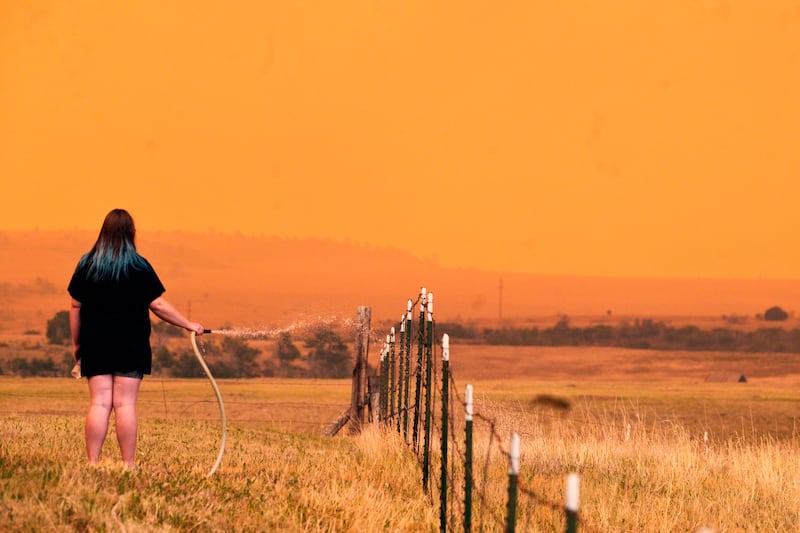
Residents in states vulnerable to wildfire woke up Sunday with a sigh of relief, knowing the firework-heavy July Fourth celebrations didn’t significantly add to the wildfire epidemic raging through the West.
But just because we’re through the weekend doesn’t mean we’re out of the woods — and the woods of several Western states are still in danger of death by wildfire. The National Interagency Fire Center said Tuesday that regions in Colorado, Wyoming, Nevada, Arizona and Utah have potential for “rapidly changing fire conditions.”
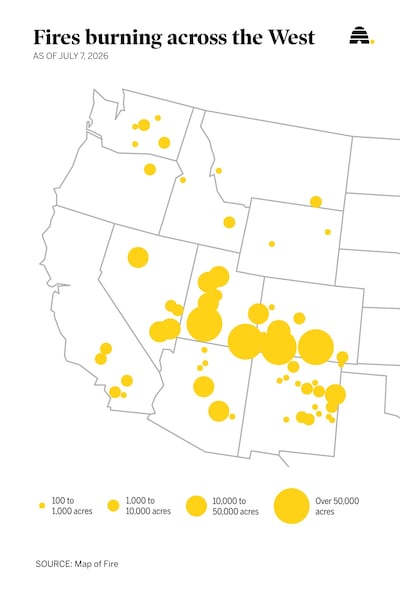
Fire tallies across the western region of the United States continue to increase as conditions worsen, and Utah and Colorado specifically are the hotbeds for the nation’s largest fires.
The two largest fires in the country — the Babylon and Cottonwood fires — are both raging in Utah. Nos. 3, 4 and 5 are consuming almost 175,000 acres of land combined in Colorado. And, 10 other states are reporting large fires as smoke continues to rise and green trees are burnt black.
Land is going up in flames, fires are going up in numbers
There are more fires to-date this year than any year in the past decade, NIFC reports.
Since Monday, 177 new fires have been reported nationwide, the national fire center reports, adding to the yearly total of 37,535 fires that have burned more than 3.3 million acres of land.
What is causing such a devastating wildfire season? The weather.
Patterns across the Intermountain West are showing all the right conditions at the wrong time.
Minimum relative humidity rates are falling as low as 10% in some states, which makes new ignitions likely, and existing fires are being fanned by gusts of wind topping near 50 miles per hour.
It’s dry, it’s hot and the wind is only acting as fuel. In other words, it’s a recipe for disaster.
Utah and Colorado are the hotbeds — literally
The two largest active fires in the nation are both raging through Utah, with the next three all in Colorado.
Utah: Babylon Fire is the largest Utah fire in almost a decade
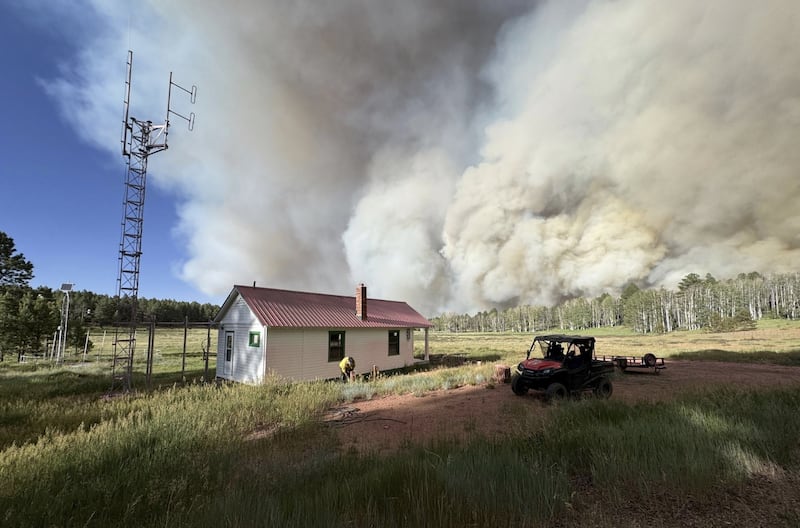
The Babylon Fire, southwest of Monticello in San Juan County, is the largest burning wildfire in the nation. It has spread across more than 100,000 acres and is 0% contained, according to Great Basin Incident Management Team 2 officials. The last time a Utah fire spanned more than 100,000 acres was eight years ago in 2018 when the Pole Creek and Goose Creek fires neared 120,000 and 130,000 acres, respectively.
Not far behind the Babylon Fire, the Cottonwood Fire in Beaver County is the second largest fire in the nation, covering more than 95,000 acres and only 56% contained.

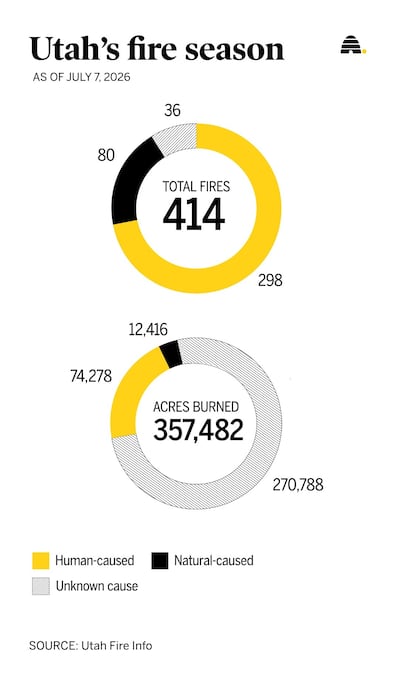
With 12 active fires and 413 total this season, Utah has lost more land this year — 235,347 acres as of early Tuesday — to fire than any other state.
Colorado: Hundreds of homes destroyed in largely uncontained fires
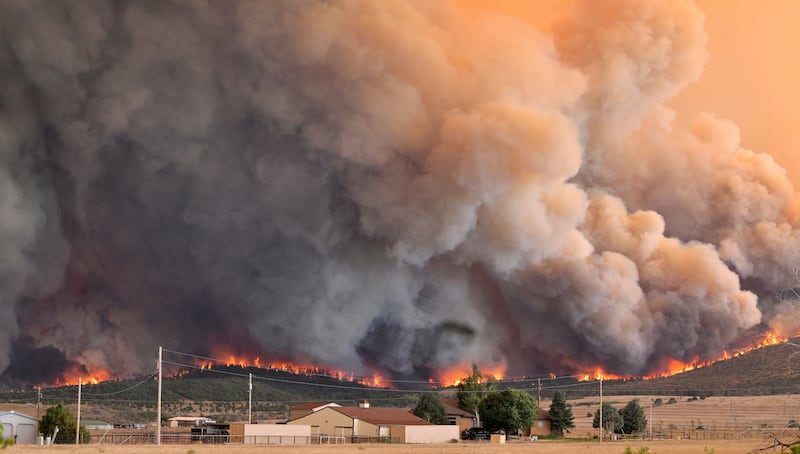
The Aspen Acres Fire has destroyed 263 homes and burned 92,000 acres of land in Pueblo and Custer counties. It is currently 13% contained.
About 300 miles west burns the Ferris Fire, the country’s fourth largest fire, covering more than 50,000 acres of land with 22% containment.
The fifth largest fire in the country is the Gold Mountain Fire in Ouray County, burning almost 30,000 acres of land with 2% containment.
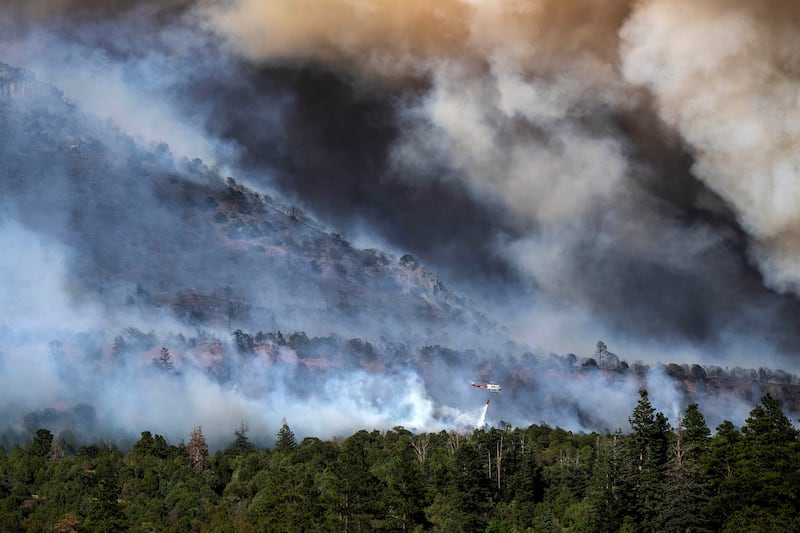
Authorities warn residents to be cautious, prepared
The national fire center reports 85% of wildfires are human-caused, meaning they can be human-prevented, too.
Practicing safe campfire habits, properly disposing of cigarettes and other flammable materials and obeying local fire restrictions can all help avoid a dangerous spark, the organization said.
The American Red Cross, which has been providing shelter and support for several communities devastated by large fires, recommended fire safety practices in a statement on Tuesday.
Safety measures include:
Be prepared to evacuate at a moment’s notice: Given how quickly wildfires spread, it’s important to have an immediate plan of action. A tank full of gas and an up-to-date evacuation plan can be crucial in an emergency.
Stay alert: Local weather channels and free emergency alerts from local government can provide useful and timely warnings on changing conditions.
Limit smoke and dust exposure: Keep windows and doors closed when possible to preserve clean air indoors.