



The Deseret News is tracking news related to the pandemic across the United States and around the world. Refresh this feed for live updates throughout the day.
Millions are still waiting on coronavirus aid
3:00 p.m.
Most taxpayers have received a coronavirus economic impact payment from Uncle Sam, but millions are still without, as the IRS navigates a troublesome website and the return of billions of dollars in failed direct deposits, The Wall Street Journal reported.
The IRS began making payments last week to more than 80 million taxpayers with direct deposit information on file from past tax years to the tune of $147 billion. But more than $2.6 billion — about 2% — was returned after bouncing off closed or incorrect bank accounts, according to The Wall Street Journal.
Some Americans have received smaller checks than expected because a portion went to pay existing debts. Others have noticed that money was sent to an account other than their own.
Treasury said the first round of paper checks has been sent to individuals who did not have direct deposit information. Checks will continue to go out in waves through the summer.
The IRS has created web pages for non-filers to provide direct deposit information and a “Get My Payment” page to check the status of individual impact checks.
A “payment status not available” message has frustrated many Americans looking for their stimulus check at the “Get My Payment” website, reported The Washington Post. The site will be down during evening maintenance — 8 p.m. to 11 p.m. MST — for the rest of the week, according to the IRS.
The Deseret News has previously reported on when taxpayers could expect to receive their coronavirus impact payments and and how much money to expect.
Isolated in a factory for weeks, workers produce tons of PPE material
12:45 p.m.
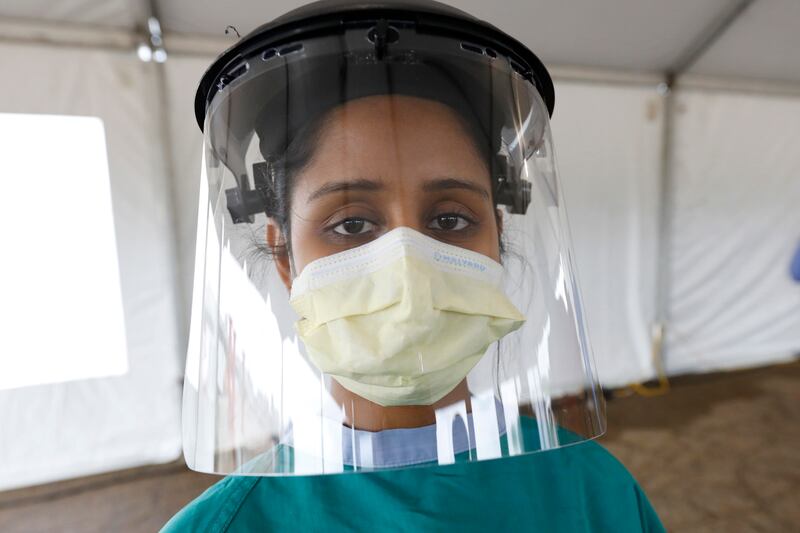
Factory workers in a small Pennsylvania town essentially lived at work for the last month, helping the nation to stock up on the gear that is direly needed to protect health care workers from the coronavirus.
On Sunday in Marcus Hook, Pennsylvania, 43 employees of the Braskem America petrochemical plant finally clocked out after spending 28 straight days isolated in their factory, pulling 12-hour shifts to produce millions of pounds of raw material for personal protective equipment, The Washington Post reported.
Each worker volunteered to temporarily live at the factory to prevent the coronavirus from infecting the plant’s staff. Literally working day and night, they made tens of millions of pounds of polypropylene used to make protective masks, gowns and medical wipes.
Joe Boyce, an operations shift supervisor who has been with Braskem America for nearly three decades, said the team was just happy to help.
“We’ve been getting messages on social media from nurses, doctors, EMS workers, saying thank you for what we’re doing. But we want to thank them for what they did and are continuing to do. That’s what made the time we were in there go by quickly, just being able to support them” Boyce told The Washington Post.
This was at least the third live-in by Braskem America’s chemical factories in Pennsylvania and West Virginia, The Washington Post reported.
World Health Organization warns of coronavirus complacency
9 a.m.
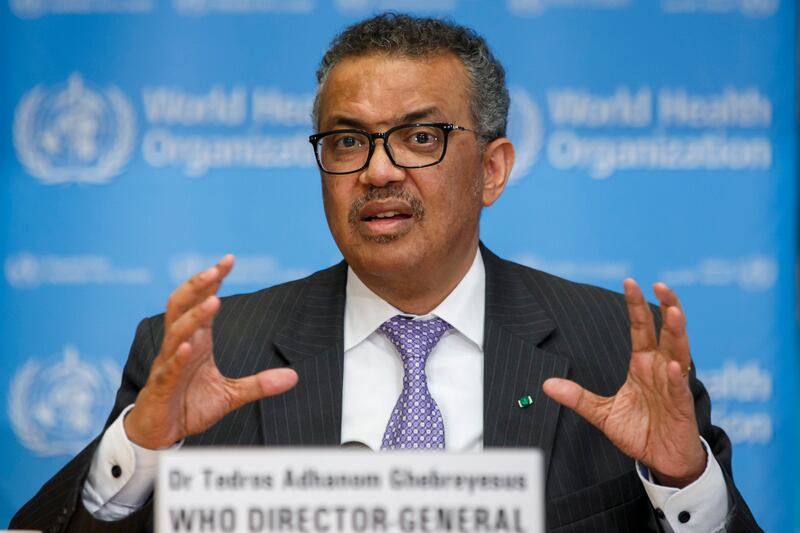
Dr. Tedros Adhanom Ghebreyesus, WHO’s Director-General said on Wednesday that stay-at-home orders and social distancing are working to suppress the spread of the global pandemic, but now is not the time for complacency, CNBC reported.
The doctors said much of the globe is still in the early stages of the virus and countries that were first affected by the virus are noticing a resurgence of COVID-19 cases.
“Make no mistake, we have a long way to go,” Tedros warned. “This virus will be with us for a long time.”
Tedros acknowledged people are itching to return to their prepandemic lifestyles, but said the novel coronavirus remains dangerous and the pandemic could quickly “reignite.”
“One of the greatest dangers we face now is complacency,” Tedros said, addressing global leaders during a press conference. He encouraged a “new normal” moving forward, a world that is “healthier, safer and better prepared.”
The novel coronavirus has killed more than 184,000 people globally and has surpassed 2.6 million confirmed cases in 185 countries, according to a Johns Hopkins tally.