

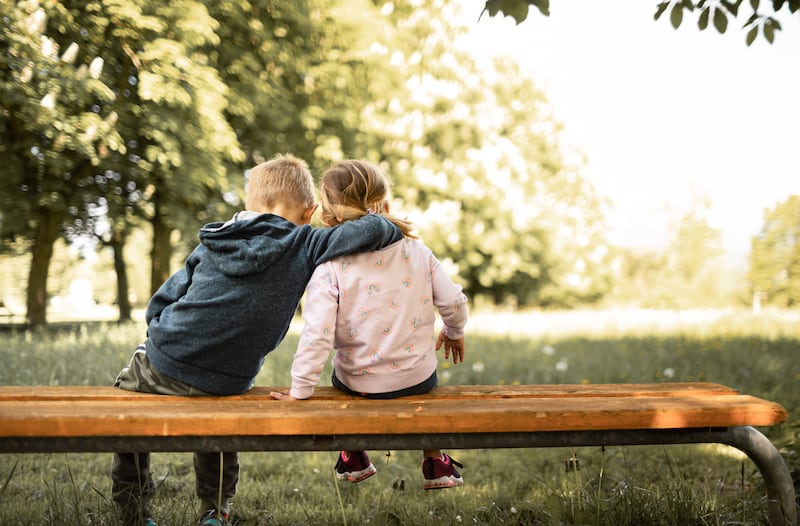

Growing up, most of us shared both happy days and tough times with our siblings. In Charles Dickens’ opening lines for “A Tale of Two Cities,” he could have been describing typical family dynamics when he wrote, “It was the best of times, it was the worst of times.”
I remember getting pummeled by my older brother over a disagreement on who needed to do some forgotten chores, and a few days later, watching him intervene when several older kids began making fun of me on a school bus.
For many of us, our relationship with siblings is similarly both ambivalent and affectionate. This is also likely the longest-running connection of our lives. While the intensity of these bonds typically fluctuates during middle age — when we are focused on careers, raising children and building marital bonds — the later stages of life can frequently usher in a period of “renewed importance” among brothers and sisters.
In fact, later-life sibling activities, whether weekend visits, large-scale family gatherings or online connections, have been shown to support psychological, cognitive and physical health as we age if we are willing to nurture them.
One of the most profound benefits of sibling reunions is their ability to anchor us to others who have seen us at our worst and yet still want the best for us. Research indicates that “sibling warmth” is strongly associated with both positive mental health and community involvement. Interestingly, older adults who are connected to living parents or siblings are also more likely to attend church or a social club, take an interest in local events, and feel connected to their community.
There are 11 living siblings in the Bob and Marilyn Witt family. They live in different parts of the country, from Michigan to Florida and Utah to Oklahoma, along with other places in the country. They are all grandparents now, ranging in age from their early 60s to late 70s.
The Witt siblings get together quarterly on Zoom to discuss family history and religion. This past year, they had a “no kids or grandkids” reunion, although some siblings could only attend sporadically and one wasn’t able to attend at all. Much of their time was spent discussing family history, relationships and personal challenges. But they also played games together, went on hikes and visited cousins in the area.
“Mostly, we didn’t try to solve the world’s problems,” Pam Dunford, the oldest sister, said. “Instead, we just enjoyed being together. We talked a lot about what it meant to be part of an extended family and how grateful we are to have grown up together in Michigan.”
“It wasn’t all fun and games,” Mark Witt said. “We also discussed difficulties and challenges in our lives from health concerns to family members struggling with their faith. We listened to and consoled each other.”
Individual interests and situations vary across this family, like any large extended family, but they are committed to finding ways to connect, support and encourage each other. Above and beyond the regularly scheduled Zoom calls to stay in touch, this family has found that getting together in person enables them to build deeper connections. In-laws and more reserved family members have especially benefited from the in-person get-togethers.
Reminiscing about childhood experiences can be especially therapeutic during these kinds of sibling reunions. Such a “nostalgic tour” can not only bring back pleasant memories but also help people navigate present challenges. For instance, the Witt family spent time reminiscing about their 12th sibling, who had Down syndrome and passed away less than a year after her birth. Because she had a profound impact uniting the family at the time, returning to memories about this daughter enabled the siblings to have deeper discussions that they might not have been able to enjoy otherwise.
If, as Ecclesiastes suggests, “there is nothing new under the sun,” this kind of learning from the past can give us fortitude for the future. And for those who have experienced the loss of family members, siblings can step in to fill the emotional void.
Studies have shown that maintaining these strong sibling relationships can also dramatically reduce rates of depression and anxiety among older adults.
The impact of sibling contact extends beyond emotional well-being, however. Engaging in lively debates and storytelling among siblings stimulates cognitive processes like memory and problem-solving. Recent findings suggest that frequent contact with siblings in one’s early 70s is associated with higher cognitive function scores well into the 80s.
Furthermore, these gatherings often encourage physical activity. Whether it is walking through a neighborhood park, hiking on a local trail, or the simple effort of traveling to get together, sibling interactions provide “another reason to live” and motivation to maintain physical health to keep up with other siblings.
Sibling relationships later in life are not without complexity. Relationships can be strained based on political, religious or social differences. Even older feelings of parental favoritism can surface (“Dad always liked you best,” I tell my brother.)
Not all sibling relationships are positive or encouraging, Suzanne Degges-White writes in “Sisters and Brothers for Life: Making Sense of Sibling Relationships in Adulthood.” Yet, even difficult or disagreeable sibling relationships can be improved with time and patience.
Through intentional problem-solving and a willingness to “forgive and forget,” this counselor says that siblings can find redemption and peace together. Most of all, she suggests that seeing each other as adults and giving up old labels (“he’s the messy one” or “she’s a drama queen”), which can reframe old perspectives and create new ways to relate to each other.
Gender differences can also affect later-life sibling relationships. Jooyoung Kong, assistant professor in the School of Social Work at the University of Wisconsin-Madison, told me that research consistently shows that sister-sister pairs tend to report the highest levels of warmth, emotional expression and mutual support. However, even in less intimate pairings, the “mechanical bond” of being raised together provides a foundational support system that becomes increasingly important as other social networks shrink.
Sibling reunions can be far more than social obligations. They can be essential interventions for healthy aging. By staying connected with those who know us longest, we can foster a deeper sense of identity, stimulate our minds by adopting new habits we learn from others, and protect our emotional health by strengthening family bonds. As demographic shifts lead to smaller family sizes and longer life spans, nurturing these lifelong bonds is more critical than ever for our well-being.