


- Drug-resistant salmonella outbreak has affected 34 people in 13 states.
- Forty percent of infections impact children under 5 years old.
- Patients show resistance to fosfomycin and other common antibiotics.
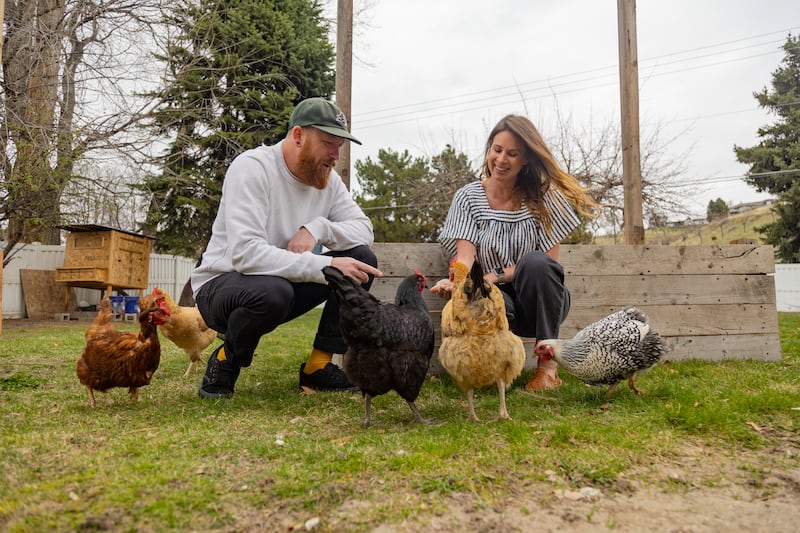
An outbreak of salmonella across 13 states that appears to be drug resistant has led the Centers for Disease Control and Prevention to warn that backyard poultry may be the source. The CDC is urging people to protect their flocks and their families.
Thirty-four people have gotten sick with the same strain of salmonella previously linked to backyard birds. A CDC update reports that 13 of the 34 have been hospitalized. And while those who got sick range in age from 1 to 78, about 40% of the infections were in kids younger than 5.
The update emphasizes that even healthy looking chickens, ducks and other poultry can carry salmonella and that touching the creatures or “anything in their environment” and then touching your mouth or food with unwashed hands can lead to illness.
As of Tuesday, Michigan had six cases, Ohio and Wisconsin each had five. Indiana, Kentucky and Maine had three confirmed cases each. Maryland and West Virginia each had two. The states with a single case are Florida, Illinois, Mississippi, New Hampshire and Tennessee.
About salmonella
According to the CDC, about 1.35 million salmonella infections occur in the U.S. each year, most of them caused by food contamination. Of those cases, about 26,500 result in hospitalization. An average of 420 people die each year in the U.S. because of salmonella.
Common symptoms of salmonella include diarrhea, fever and stomach cramps that typically occur six hours to six days after exposure to the bacteria.
The illness typically runs its course in four to seven days without treatment, but some people become so sick they end up in the hospital.
Those most at risk of severe illness are children younger than 5, adults 65 and older and those with weak immune systems.
Drug-resistant bacteria
The Hill reported that all 34 patients appeared to have a strain resistant to the antibiotic fosfomycin. Samples from eight suggested resistance to other antibiotics commonly used to treat salmonella infection.
On a page the CDC dedicates to the issue of drug-resistant salmonella, the public health giant reports that ciprofloxacin, azithromycin and ceftriaxone are sometimes used to treat patients with severe infections. It’s noted that drug-resistant salmonella infections can be among the most severe and likely to require hospitalization.
A sign of resistance in salmonella from chicken was found in 2014 by the U.S. Food and Drug Administration during random routine testing of a chicken breast. It contained a gene not common to salmonella from chicken in the U.S.
Rapid spread of that resistant strain followed and in 2018 it accounted for a quarter of salmonella infections in people. The U.S. Department of Agriculture was also seeing more of the strain, along with other resistant salmonella linked to foodborne sickness from pork, turkey and beef.
The problem is that when bacteria are resistant to medications that have always been used to counter them, they become hard to treat.
Staying safe
Among the CDC’s tips to avoid infection:
- Wash your hands for 20 seconds after touching birds, their supplies or gathering eggs.
- Have a pair of shoes or boots that are only used around the coop and never wear them inside the house.
- Keep birds and supplies out of the home.
- Don’t let kids younger than 5 handle the birds including chicks and ducklings or anything where the creatures roam. Children are more apt to be sickened by salmonella.
- Remember you don’t have to touch the birds themselves to get sick. Things in their environment can be contaminated and touching them can lead to salmonella infection.