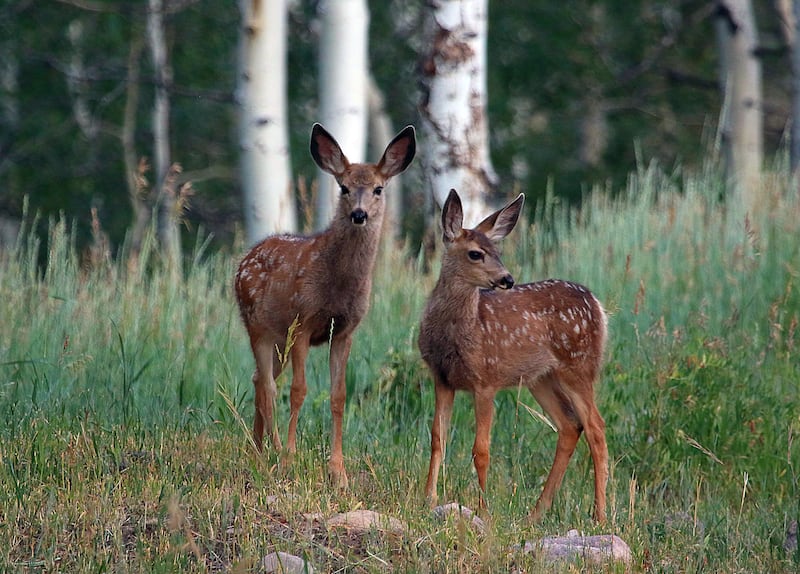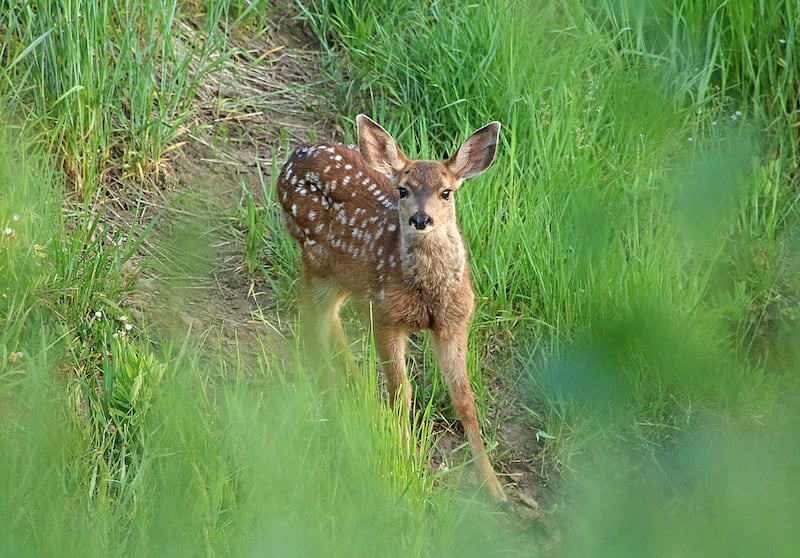

- Hikers might encounter deer fawns or elk calves on the trail in the spring and early summer.
- The baby animals are rarely abandoned by their mothers but are hiding alone to stay safe.
- The Utah Division of Wildlife Resources offers tips for what do when you see a fawn.
There might be nothing cuter on a late spring/early summer hike than seeing a fawn on the trail. But Utah wildlife managers warn that touching, feeding or taking the baby deer home could have fatal consequences for the animal.
Deer fawns and elk calves are often born in June. If you happen across one in the wild, you probably won’t see its mother but that doesn’t mean it’s abandoned because, according to the Utah Department of Wildlife Resources, that is rarely the case.
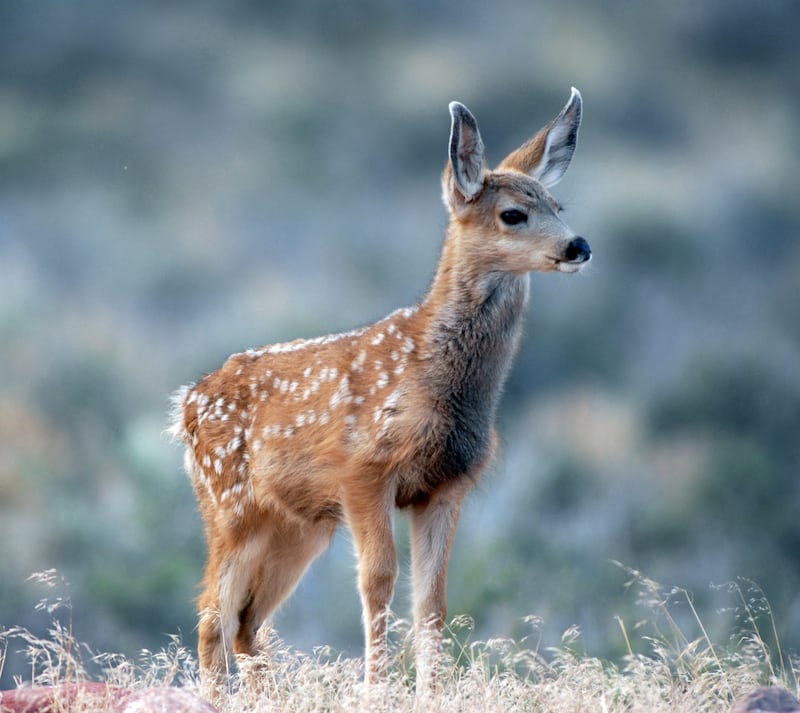
“Newborn fawns are actually frequently alone and isolated during their first weeks of life — and that’s on purpose,” DWR big game coordinator Mike Wardle said in a press release. “The mother knows that leaving the fawn alone is the best way to protect it from predators.”
Newborn big game animals are either followers or hiders. Followers, including bison calves and bighorn sheep lambs, follow their mothers shortly after they’re born. Hiders, such as mule deer fawns and elk calves, hide alone for most of the day for the first two to three weeks of their lives.
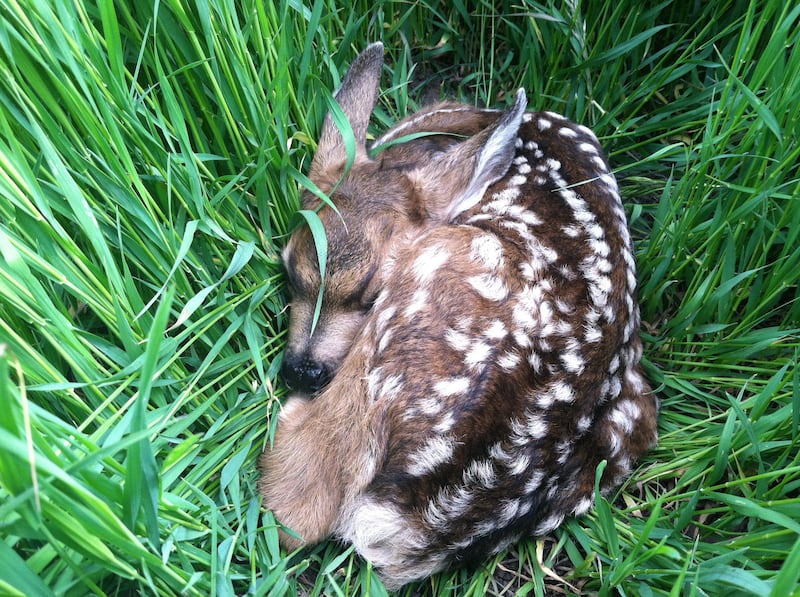
During the day, a doe deer will reunite with her fawn for a short time, to nurse it and care for it, according to the DWR. To draw attention away from the fawn’s location, the mother will leave it alone. The doe will spend the rest of the day feeding and resting. Hiding is the best way for a fawn to stay safe right after it’s born. After two or three weeks, it will be strong enough to start accompanying its mother.
Fawns are born with a light-brown coat covered with white spots. The camouflaged coat allows them to blend in with the surroundings. Fawns also don’t give off much scent, so it’s difficult for predators to smell them.
Here’s what do if see a fawn or calf alone:
- Don’t approach it. Watch it or take a photo of it from a distance, but don’t go near it. In almost every case, the young animal has not been abandoned by its mother.
- Don’t touch it or pet it. Finding and petting newly born animals is a problem because the animal’s survival depends on it being left alone and undetected by predators. If you touch it, you may leave your scent on the animal, which could draw predators to it.
- Give it plenty of space. Even if you don’t touch the fawn or calf, getting too close can cause it to run away from you, resulting in the animal using energy it needs to survive.
- Never attempt to remove a fawn or calf from the wild or take it home. Utah Department of Natural Resources conservation officers occasionally respond to instances where an individual has taken a baby deer or elk home to “care for it.” However, that often is fatal for the animal and can also create public safety risks as it matures. It is illegal to keep wildlife in captivity and can result in a class A misdemeanor. If you believe that a baby animal is injured or sick, report it to the nearest DWR office.
“Keeping your distance and not touching wildlife are essential to keeping young animals alive,” Wardle said. “Attempting to take matters into your own hands and trying to ‘help’ wildlife usually does more harm than good. Help wildlife by allowing them to remain wild.”
More safety tips are available at the Wild Aware Utah website.