

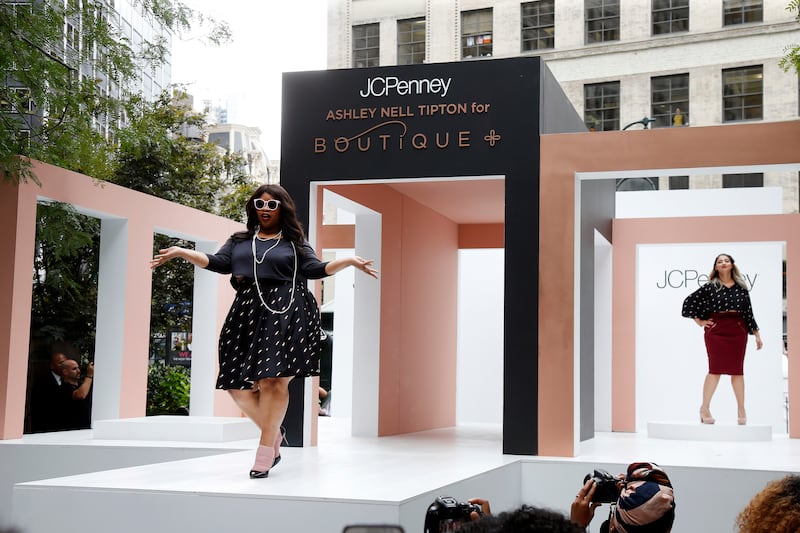

- Over 25 years, the fashion industry has become more diverse, but the ideal body type hasn't changed.
- Non-white models have increased but are often concentrated in plus-size categories.
- Actors and influencers have conflicting views on how to promote the ideal body and be inclusive.
Inclusion. Acceptance. Diversity. These are all words that have been adopted by modern America and fought for in spaces like fashion and entertainment.
However, a new study from the Technical University of Denmark (DTU) published in the Proceedings of the National Academy of Sciences (PNAS) found that beauty standards in America have stayed generally the same through the years. The female modeling sector, specifically, may not be as advanced as people think.
Researchers from Denmark, the United States and Austria analyzed nearly 800,000 photos “from fashion shows, advertisements, magazine covers and editorial fashion coverage” from 2000 to 2024.
With the aid of technology and health data, they found that “while a wider range of body types now appears in fashion imagery, the typical model’s body has not changed,” according to a press release from the university.
The release said “a small number of models at the extremes” have been included in the media and fashion world, but they are outliers.
The team also said plus-size models in the industry are not an accurate representation of plus-size women in the U.S.
“Even the plus-size models are still below the average U.S. body size. So, what the fashion industry calls plus size corresponds much more closely to the average American woman,” said Louis Boucherie, the study’s lead author.
Attempts at diversity
The study found that non-white models “rose from roughly 13% in 2011 to more than 40% in recent years,” adding to the notion that the fashion industry has become more diverse.
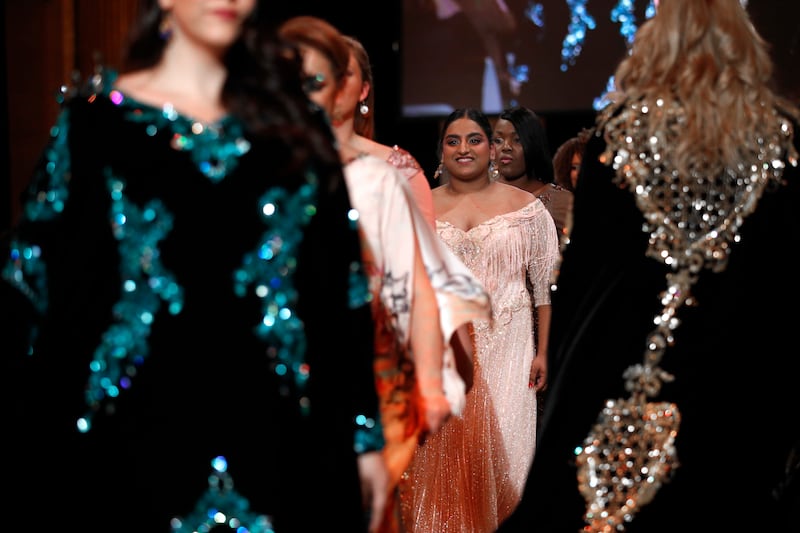
However, the study also found that non-white models were 4.5 times more likely to also be plus-size than white models were. Per the release, “This means the industry’s gains in diversity are intersectionally concentrated on the same individuals rather than broadly distributed.”
People pushing for change
At the premiere of The Devil Wears Prada 2, Anne Hathaway told Variety how she pushed for more diversity and inclusivity in the movie’s cast, a common move in modern Hollywood.
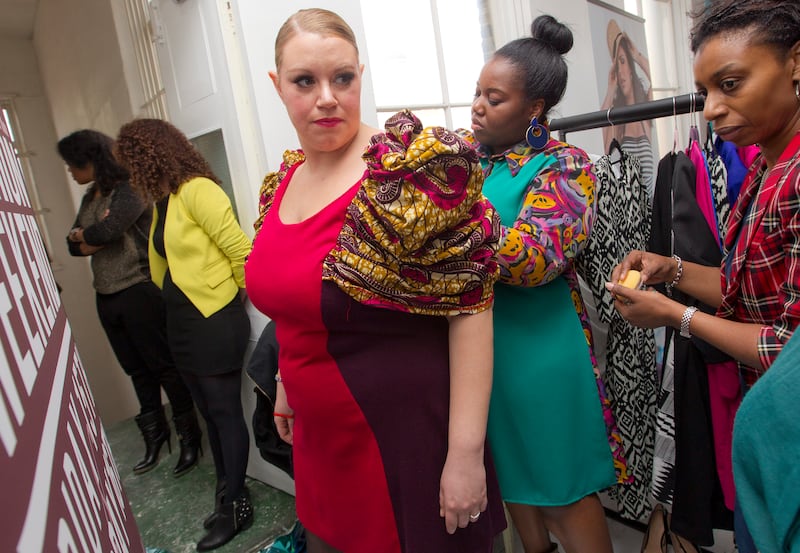
Variety reported that Hathaway noticed the models on set for a scene in the movie were all beautiful, but “a lot of them were more traditionally model-sized.” She said she wanted “a wider range of bodies on display, because all different shapes are beautiful.”
So, Hathaway went to the producers and asked for a change in casting. “They looked up and were so sad that they hadn’t thought about it,” she said.
Hathaway said that within the hour, there were more inclusively sized models for the scene.
Harper’s Bazaar reported that Meryl Streep, Hathaway’s co-star, praised Hathaway for her initiative.
“I thought that all had been addressed years ago,” Streep said of diversity among model size. “Annie clocked it, too, and she made a beeline to the producers about it, securing promises that the models in the show that we were putting together for our film would not be so skeletal! She’s a stand-up girl.”
Another point of view
In response to Hathaway’s interview, Xaviaer DuRousseau, a conservative influencer and podcaster, took to Instagram to post his thoughts.
“Getting models fired for being too skinny is like suing the chef because your steak was too juicy,” he said in a reel. “A ‘model’ is what society should aspire to be as the golden standard for health and wellness.”
He argued that Hathaway was punishing the women who had disciplined themselves for their physiques and in contrast, rewarding women who did not have to work as hard for their bodies.
“You’re not being an inclusive girls’ girl by openly discriminating against the women who work the hardest for their jobs. Being thin takes work and dedication,” DuRousseau said.
Unattainable standards
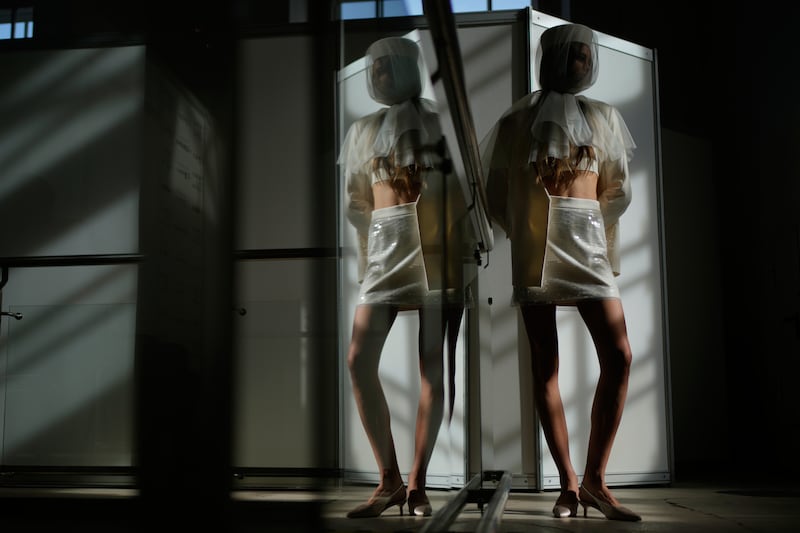
But, the “golden standard” body DuRousseau referred to is not usually the case in American models, as noted by the researchers.
The study said that exposure to extremely thin body types in female models and lean, muscular bodies in male models has negative consequences for women and men of all ages.
“Viewers evaluate themselves against models who embody unrealistic ideals and typically feel they fall short,” the study said. This social comparison can lead to body dissatisfaction, which the researchers said increases the risks of eating disorders and psychological distress and causes higher mortality.
In the end, extreme representations of either body type in models can have dangerous consequences and foster unhealthy habits in viewers.