

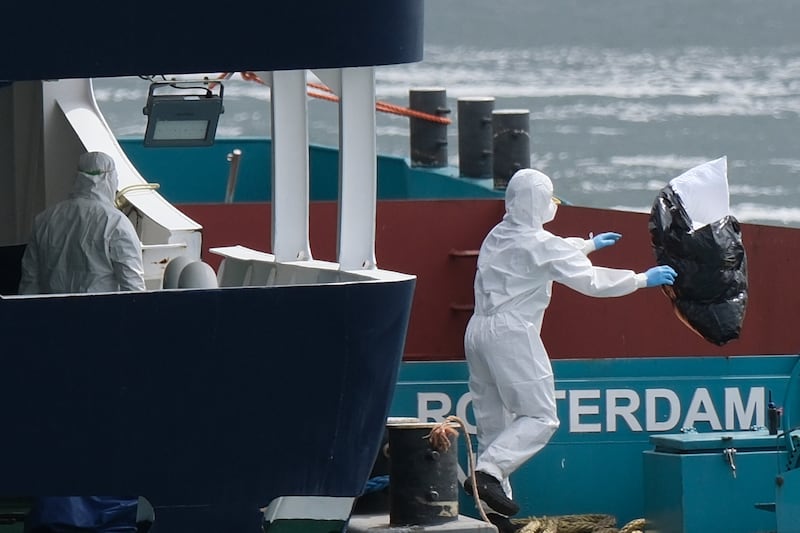

- U.S. passengers exposed to hantavirus on the MV Hondius ship concluded their 42-day monitoring.
- CDC said they will continue to research the source of the outbreak.
- Three deaths were reported internationally from the recent outbreak, and WHO said it will formally end on July 2.
The Centers for Disease Control and Prevention held a media briefing Wednesday detailing its public health response to the hantavirus outbreak on the MV Hondius cruise ship.
U.S. passengers from the ship returned to America on May 11, then underwent monitoring at the University of Nebraska Medical Center, as previously reported by Deseret News.
“All U.S. citizens identified as having potential exposure to the Andes virus” completed the 42-day monitoring as of Sunday and returned to their homes, according to Dr. Brendan Jackson, acting director of CDC’s Division of High Consequence Pathogens and Pathology.
Jackson said none of the passengers at the facility developed hantavirus.
During the briefing, he thanked the individuals for “their cooperation and commitment to protecting others” while in Nebraska and at home.
“Public health responses succeed because people step up when asked to do something difficult,” he said. “The people involved in this response did exactly that, and we are grateful for their partnership and collaboration.”
The CDC’s response to hantavirus

Jackson said CDC worked with international and local partners to provide care for the patients and information to the public. It “deployed staff to the Canary Islands to meet U.S. passengers, supported their repatriation to Nebraska, coordinated monitoring and assessments after their return and worked with state and local health departments to identify and monitor additional U.S. residents that may have been exposed.”
He also said this isn’t the end of hantavirus research for the CDC. “Although monitoring activities in the United States are now complete, CDC ‘s scientific work related to this outbreak continues.”
According to Jackson, two CDC disease ecologists recently returned from Argentina, where they trapped and tested rodents to see if any of them carried the Andes virus. He said preliminary information showed all the identified rodents were negative, and the source of exposure is still under investigation.
“We know that Andes virus is prevalent throughout certain parts of Argentina, and we’re really trying to better understand where those places might be,” he said.
The worldwide situation
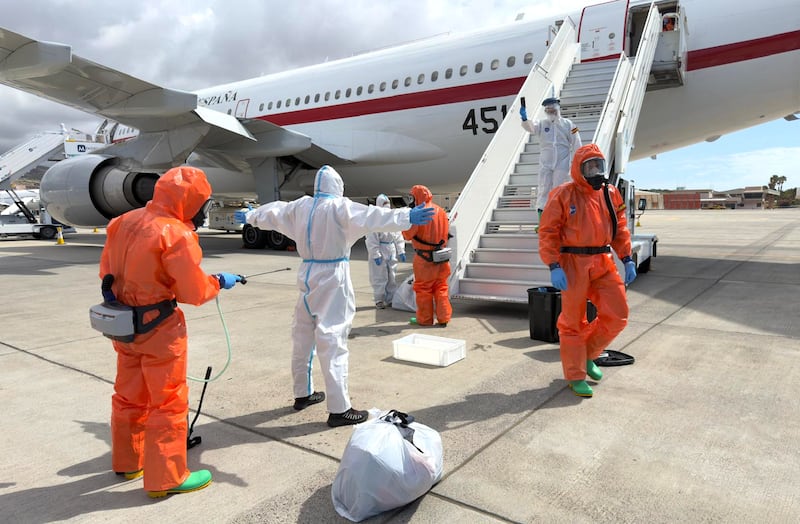
As of May 28, the World Health Organization reported three total deaths from the hantavirus outbreak on MV Hondius.
Per France 24, WHO predicted the outbreak will formally end on July 2, based on when all affected individuals will have completed their 42-day isolation period.
“If no further cases are reported by then, WHO will consider the outbreak to be over,” the article quoted.