

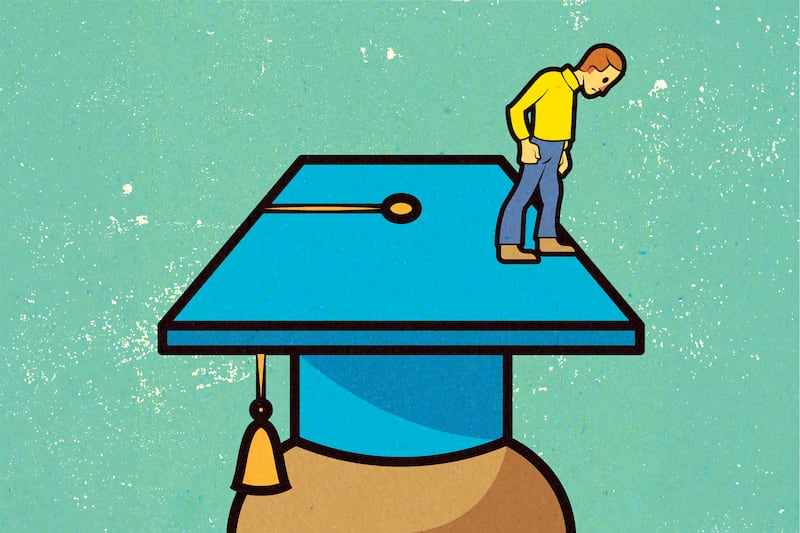

What happens when there aren’t as many high school graduates to enroll in college, join the workforce and shape the next generation of citizens? In 2008, a sudden drop in the national birthrate created a “demographic cliff,” a sharp year-over-year decline that is changing America as it moves through its institutions. The inverted wave hits higher education this fall, as that generation turns 18, with a long tail behind it. Schools and universities are scrambling to adapt to this new normal. What’s behind the change? And what is the fallout? Here’s the breakdown.
1.4 million students
That’s how many fewer students enrolled in K–12 schools between 2019 and 2024, a 2.8% decrease due in large part to a shrinking youth population that’s affected at least 40 states. Elementary schools lost about 940,000 students in that time, which means less funding for public schools. At least 2,000 public K–12 schools closed between 2019 to 2022.
1 college a week
That’s the rate at which schools were shuttering in 2024. There are 2.7 million fewer college students than at the start of the last decade. A continued decline could lead to more closures, up to 80 schools per year in a worst-case scenario projected by the Federal Reserve Bank of Philadelphia. Closures impact small private universities hardest. Each one amounts to an average of 265 job cuts and $67 million a year in lost revenue.
35% of Americans
Last year, the share of adults who reported viewing a college education as “very important” dropped to barely more than a third — an all-time low. Public perception of higher education has been falling for more than 15 years. One way to attract more students would be to change public perception about the value of college.

50% off
Many universities have slashed costs to attract more students in a buyers’ market. The average discount private colleges offered to undergraduates is more than 50% off tuition. Methods like boosting student advisement, attracting international students, offering scholarships to encourage completion, promoting equity and inclusion, as well as expanding opportunities for internships, are also known to boost retention rates.
We don’t have to worry about the end of higher education because there won’t be enough 18-year-olds. It’s really about adapting and serving the students that are coming in and really trying to make sure that they get value out of their education.
— Patrick Lane, vice president for policy analysis and research at the Western Interstate Commission
7 Western states
Utah, Arizona, New Mexico, Nevada, Idaho, Colorado and Wyoming are ranked in the top 10 states with the largest fertility rate decline between 2005 and 2022. Utah led the nation with a more than 35% decline. The South will see a 3% increase of high school graduates by 2037, but that may be attributable to a higher rate of incoming families relocating from other regions.
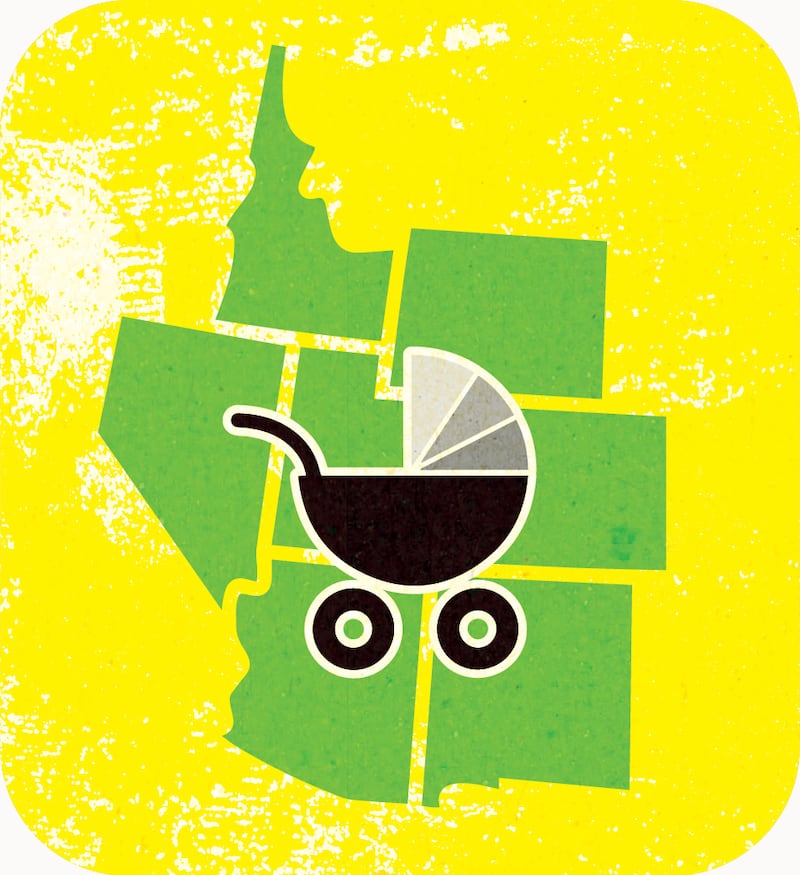
8.9 million
That’s how many Americans lost work in 2008 during the Great Recession. More than 20% of Americans aged 18 to 44 reported postponing having a child in 2009 directly because of the recession’s financial toll. Research from the University of Toronto estimates that half of the present birthrate decline is attributed to housing affordability, and that if costs had remained stable since 1990, 13 million more children would have been born through 2020.
23% decline
The number of Americans having children has dropped by nearly a quarter since the Great Recession, with 3.6 million babies born nationwide last year compared to 4.3 million in 2007. This all-time low fertility rate has created a demographic cliff that’s helped lower the incoming college-aged population by nearly 3 million students and is expected to shrink the number of high school graduates by 13% in the next 15 years.
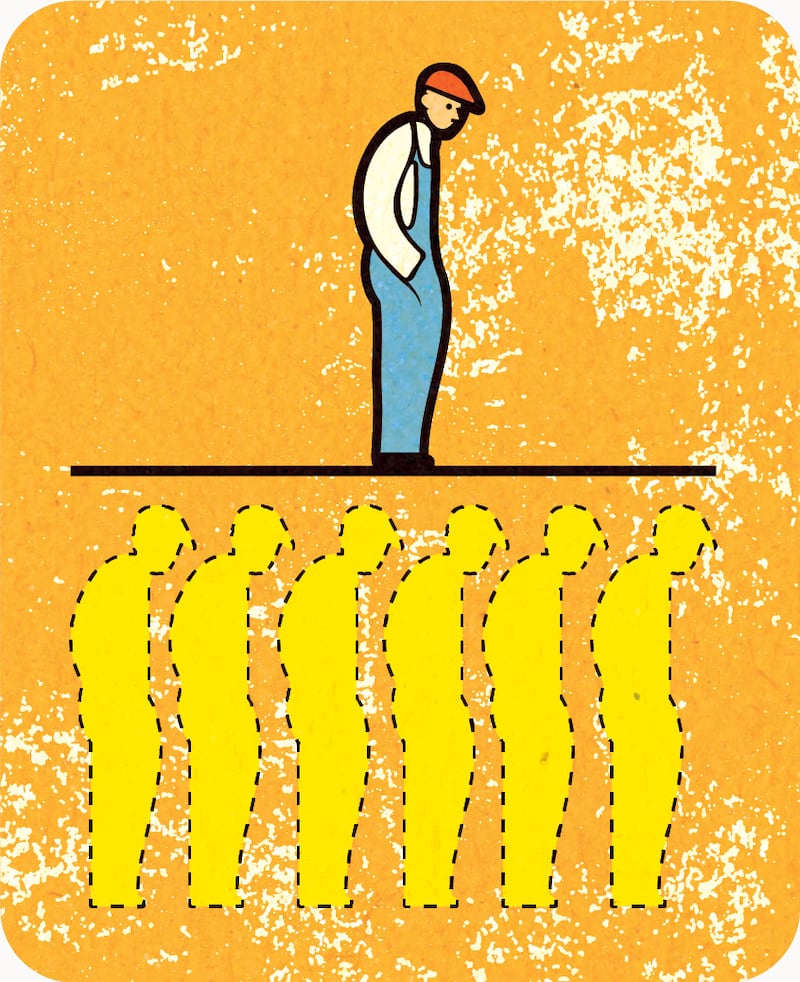
6 million workers
By 2032, America will lack workers to fill six million jobs. More than 40% of those jobs will require a college degree. This shortage will be the largest since the years following World War II. Already, 1 in 8 teaching positions nationwide are vacant or filled by people who aren’t fully certified, and less than 20% of active physicians are under 40 years old. When the baby boomers retire, fewer people will be there to take their place.
This story appears in the September 2026 issue of Deseret Magazine under the headline “The deep end.” Learn more about how to subscribe.