

Recent reductions in foreign aid — not just from the United States but also from many of the world’s wealthiest countries — could lead to many unfortunate outcomes.
Among these could be a resurgence in the preventable deaths of children due to the sudden unavailability of vaccines and medicines. To be blunt, many children under 5 who otherwise would live will instead die.
As veteran Deseret News reporter Lois M. Collins reported this week, the Institute for Health Metrics and Evaluation at the University of Washington in Seattle predicts an increase in the deaths of children under 5 from 4.6 million in 2024 to 4.8 million in 2025.
The predictions were part of an analysis in the Gates Foundation’s 2025 Goalkeepers Report.
Reversing a trend
To put this in perspective, it is the first time in this century that these deaths are expected to rise. The first 24 years of the 21st century were marked by remarkable progress, cutting the number of deaths for those under 5 in half. Now, the tide may be changing.
A little more than a decade ago, Namala Mkopi, who was head of pediatric hematology in the Oncology Unit of Muhimbili National Hospital in Dar es Salaam, Tanzania, met with the Deseret News editorial board to talk about the difference vaccines had made in his country.
Only a year earlier, he said, there was a shortage of beds in his pediatric ward. “You’re talking three children in every bed and on mattresses on the floor. So, it’s full, and many of them end up dead.”
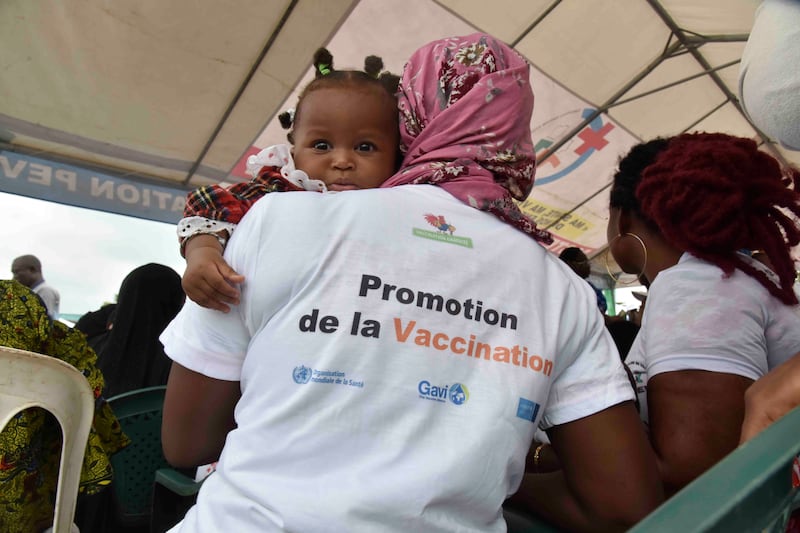
That all changed when the rotavirus vaccine became widely available in Tanzania, funded by GAVI, an international vaccine alliance created in 2000 and funded in part by governments, the United States included, and many private and religious groups.
Dramatic improvement
The difference these vaccines made was immediate and dramatic.
“One can say it’s a miracle, but it’s simple science,” Mkopi said at the time. “The vaccine works. We don’t see any more young people in the wards. Sometimes you might go into the ward and there’s no child there at all. In just one year.”
Before the vaccines, Mkopi remembered, parents were desperate and afraid. He recalled a 3 a.m. phone call from a crying mother, desperate for someone to help her child. It wasn’t until she came to the hospital that he realized the mother was a co-worker, another doctor.
Her child had suffered a sudden onset of diarrhea, often a killer in developing countries, brought on by rotavirus. The illness was no respecter of education or status.
Mkopi remembers struggling to keep vaccine doses refrigerated during a long power outage.
People in the United States are generally unaware of how vital such aid can be. Today’s generation of adults is too young to remember the fears American parents once had toward polio and other diseases.
The Gates Foundation Report draws a connection between health spending, largely from foreign aid, and child mortality.
Further cuts expected
Not only have aid payments dropped by 26.9% this year, wealthy countries are dealing with their own mounting debt and fragile health systems. Countries that had been major donors are contemplating cutting health-related aid by an additional 20% combined.
And then there is the mounting opposition to traditional childhood vaccines in countries such as the United States, which have been blamed for recent outbreaks of measles, for example.
Taken together, this paints a bleak picture for the future.
Bill Gates, chair of the Gates Foundation, said if this one-year trend toward higher childhood deaths becomes a trend, it “means more than 5,000 classrooms of children (will be) gone before they ever learn to write their name or tie their shoes.”
Perhaps Americans have become so used to reports of government waste that they assume foreign health aid accomplished little. The truth is exactly the opposite. Young lives were saved. Economies and political systems were spared the upheavals and ravages that often follow widespread death and illnesses.
The costs of reversing that trend could be high.