

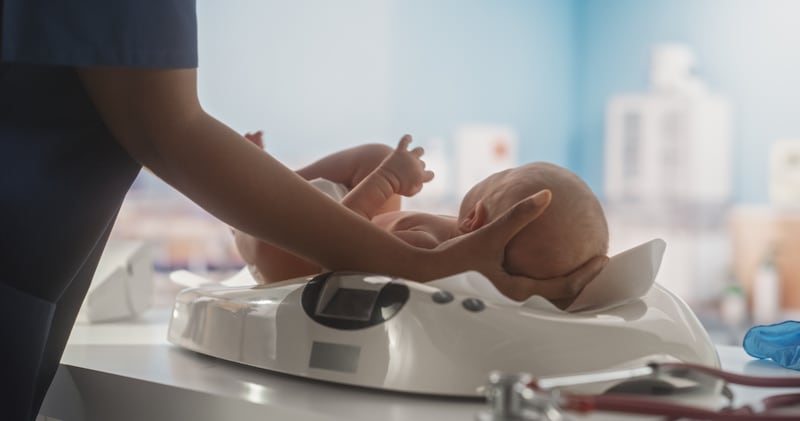
A tiny newborn lies crying in a NICU bassinet, trembling with a fever. Born with neonatal abstinence syndrome (NAS) — the baby’s mother misused substances while pregnant, and now her infant is suffering the consequences.
This baby isn’t unique, even in Utah. A 2022 study on newborn umbilical cords across the state found 1 in 10 babies were exposed to drugs, many of them opiates — which is even scarier. If a baby is exposed to opiates and the opiate is not replaced at birth, the baby can die.
In a recent report by the Utah Women and Leadership Program, we found that while men are more likely to use illicit drugs, substance use disorders (SUD) present unique challenges for women, especially those in their reproductive years. Utah still has a substance use disorder problem, and we need to address the specific issues women face — and funnel the funds to get them the help they need.
In 2024, 591 Utahns died from drug overdoses. In Utah, the Office of Substance Use and Mental Health reported that in 2024, 16,440 SUD clients were served through the state’s county-based treatment network, and approximately 37% were women. Although men are more likely to die from overdoses, women are more likely to be prescribed opioids and to develop an addiction. Though the state has made significant progress addressing this issue, the changing drug scene — and the introduction of fentanyl — often undermines any progress.
Death from SUD is the primary cause of pregnancy-related death in Utah, with about 80% of those deaths due to opioid use. The misuse of substances during pregnancy can have serious negative effects on mother and child, including birth defects, preterm delivery, NAS and stillbirth. This being said, many mothers are reluctant to report or seek treatment for substance use.
Postpartum is also a very vulnerable time for women, with higher susceptibility to substance abuse, relapse and drug-related mortality. Around 90% of pregnancy-related death occurs in the postpartum period. Higher-than-average rates of trauma, sexual abuse and domestic violence in Utah further harm women, particularly given the well-established connection between trauma and substance use disorders.
So what can we do?
The Utah Health Improvement Plan has set goals such as decreasing high-risk prescribing, decreasing opioid overdoses and increasing access to naloxone, a drug that reverses opioid overdose. Public health leaders also urge Utahns to make smart decisions around prescription drugs. The "Know Your Script" initiative provides resources for individuals, families and communities regarding treatment options, proper use, storage and disposal of prescription drugs.
Programs cost money — but Utah has the cash. According to a report from The Utah Investigative Journalism Project, Utah counties have received a combined $56 million dedicated to fighting the opioid epidemic, with millions more coming through a recent settlement with Purdue Pharma. But only 14.0% of the funds have been spent.
I urge the state legislature and local governments to not only use this money, but use it strategically. Could we use this money to help women with substance-use disorders, specifically mothers?
This is an issue we need to take personally as a state. Thousands of women, men and children suffer from substance-use disorders every day. When one suffers, families and communities suffer — innocent babies suffer.
We have a rare opportunity to use money we already have to invest in gender-responsive treatments, maternal health programs and trauma-informed services. Finding ways to both prevent addiction and alleviate women suffering from SUDs will not only improve the lives of individuals but also strengthen the positive impact of women in communities and the state.
For more data and ways to help, check out the Utah Women and Leadership Project’s report or listen to the UWLP podcast episode on this topic.