



After Canadian businessman and TV celebrity — oh, and multimillionaire — Kevin O’Leary accused Gen Z of having poor spending habits, the internet responded with a familiar ritual: generational warfare.
Suddenly, it was the Spider-Man meme brought to life, with baby boomers, Gen X, millennials and Gen Z all pointing fingers over who’s worse with their money or who’s to blame for the current cost of living.
While on the podcast “The Diary of a CEO,” O’Leary said the following:
“I can’t stand it when I see kids that are making 70 grand a year spending $28 for lunch. I mean, that’s just stupid,” he said. “Think about that in the context of that being put into an index and making 8% to 10% a year for the next 50 years.”
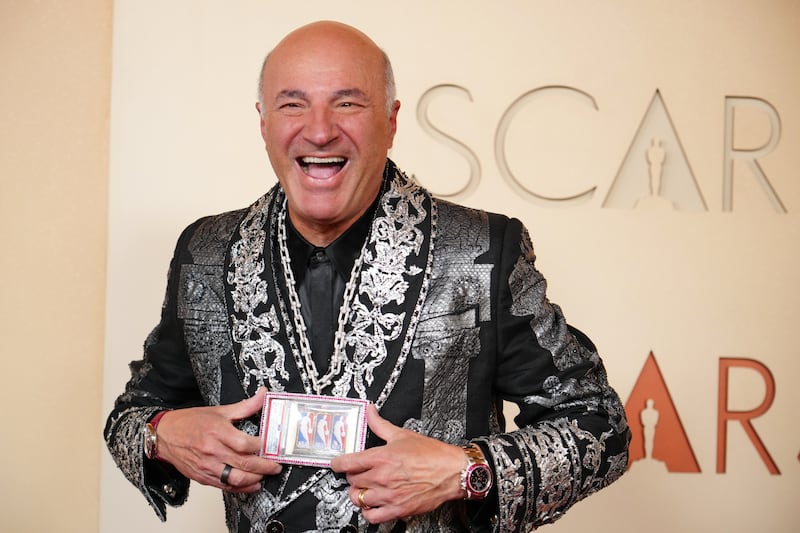
I mean, sure, maybe a morning energy drink isn’t the most cost-saving expense, but what if that energy drink is the highlight of my morning and gives me the serotonin boost needed to make it through my day? How does O’Leary measure that into an index?
Maybe the spending habits of the underslept and overstressed young workforce isn’t their fault. Maybe the blame lies on big corporations whose business models center on making people feel like they need things they don’t — and no, I’m not projecting!
Speaking of projecting, maybe The Babylon Bee had a good point with this post:
No, but really, spending $50 for a week of groceries and bringing a lunch to work is probably the better option for most Americans’ wallets. Especially when nearly half of the U.S. population doesn’t have enough of a savings to pay for a $1,000 emergency.
O’Leary’s right there. My beef is with what he said next.
“Go into your closet and look at how much (expletive) you have you don’t wear, because you either bought it cause you thought you were going to wear it and never wore it, or wore it once, and you end up wearing 20% of your portfolio all of the time, and 80% you pissed away. I mean, that’s really stupid. And so, for a young person, a young woman or man, don’t do that.”
I can’t tell you how many times an older family member has reminded me that they had three shirts, two pairs of pants and a single pair of shoes that they would wear in rain, snow or shine. “I wore my shoes till the my big toe was coming out of the soles,” or, “I can’t imagine buying a pair of jeans with holes in them. My jeans only got holes after working outside all day.”
Grandpa, I get it, times were different.

This is a first-world problem. We buy more clothes than we need, thinking we are going to wear something we purchased, then find it a year later and either donate it or sell it to a second-hand store never worn and only get back like one-eighth of what we bought it for.
O’Leary’s point that I have qualms with — because it’s true, and I need to come to terms with it — is that my clothes are not investments. They’re consumption expenses. Unfortunately, a sweater is not building equity, and my “girl math” spreadsheet has yet to convince the IRS otherwise.
The internet’s responses were a mix of the obnoxious and hilarity, as well as people taking what someone said too personally.
One post gave sound advice.
Another was too relatable.
Lastly, my personal favorite.