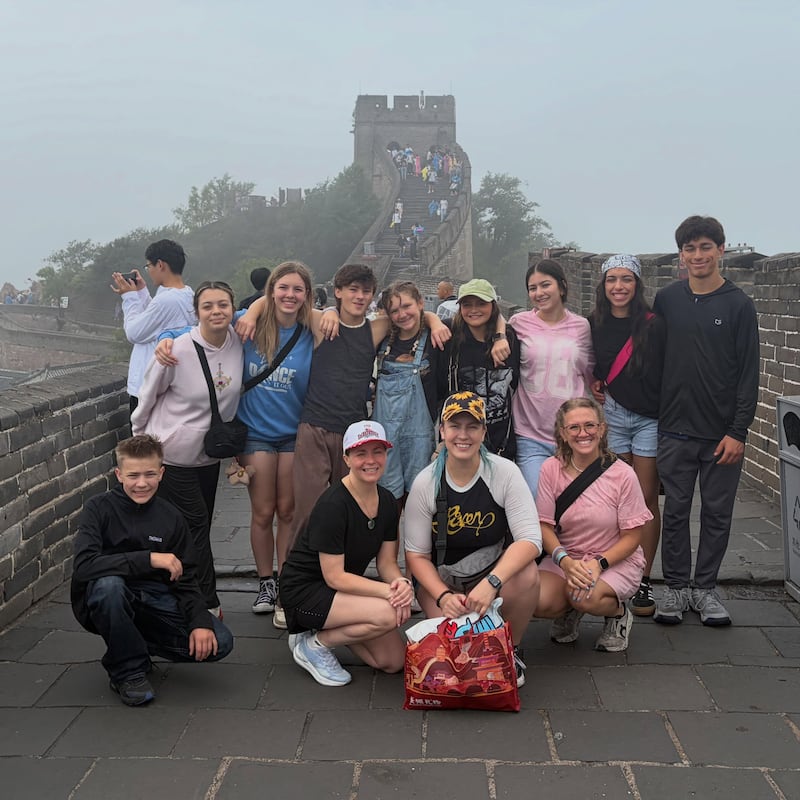
Last month, a group of Utah teenagers came home from China, where they had performed on university stages in Suzhou, Zhenjiang, Nanjing, Huai’an, Beijing and Shanghai. They danced for audiences who did not share their language, alongside Chinese dancers who shared their love of the arts. In between the performances came the moments no one choreographed: shared meals, halting conversations, small gifts and host universities that welcomed our kids like their own.
These young dancers, without a single diplomatic title among them, did something the two most powerful countries on earth struggle to do. They built trust. It happened because a few people decided to make it happen.
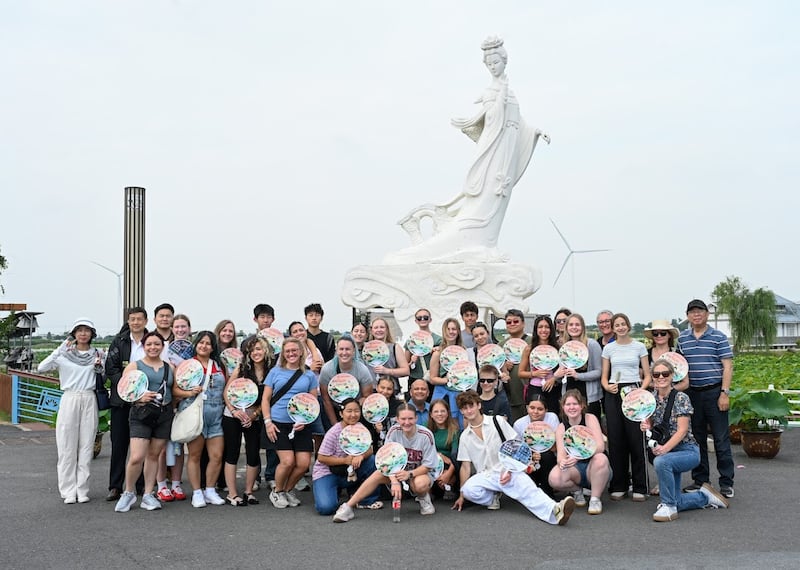
The vision belonged to Danny Dong. He left China in 1985, arrived in the United States with $40 in his pocket, earned graduate degrees and performed his music at Carnegie Hall. Long before it was fashionable, he believed two wary nations could be drawn closer not by governments but by people, especially the young.
For decades, through the nonprofit he founded, he has turned that belief into invitations, performances and university partnerships, often paying his own way. “China and the United States are two great nations that I both deeply love and call home,” he said. “This year, at every university we visited, I felt a stronger and more genuine hunger for people-to-people exchange than I have in years.”
If the idea was Danny’s, the work on the American side belonged to Julia and Fidias Peñate. They built Legacy Dance Studio and made five trips over 10 years actually happen. They are the reason ordinary Utah kids can walk onto a stage in Shanghai and hold it, polished enough that Chinese students asked whether they were professionals. “There is such joy in connecting with others despite language and cultural barriers,” Peñate said, “and in building a bridge of friendship and a shared love of dance that is understood no matter what country you live in.”
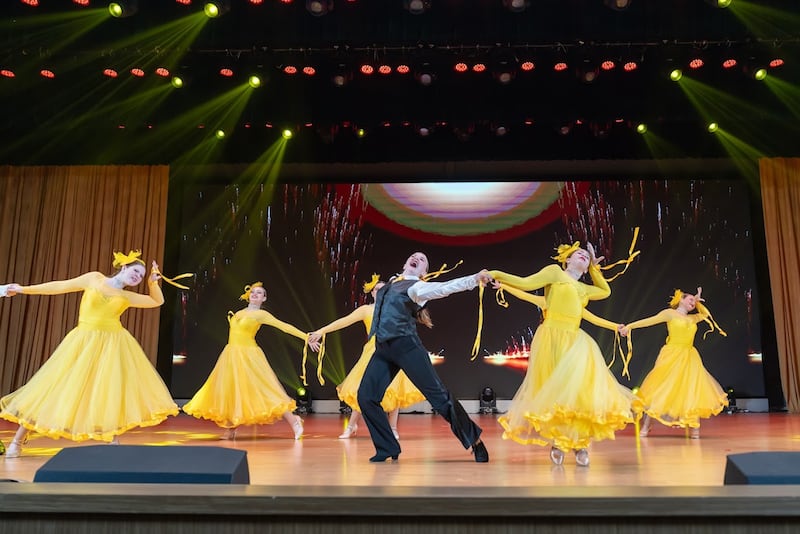
Many Utah families have shared these journeys, ours among them. This year our daughters, Ellie and Ruby, performed, and our family was asked to address the leadership of Jiangsu University as representatives of the United States. Ellie put it simply: “It meant a lot to connect through dance with people who so rarely see foreigners.” Her mother, Katie, called watching our two daughters, six years apart, dance together on a stage in China “a core memory, and the thrill of a lifetime.”
What Danny understands, and what our daughters learned, is that goodwill between nations is not manufactured at summits. It is built in small human moments: a grandmother applauding a teenager from Utah, two students discovering they love the same music, a university opening its stage to visitors from across the world. Decades of research on intergroup contact say the same in drier language: friendly contact between groups reliably lowers suspicion. Our dancers proved it.
This matters now. Relations between the United States and China are strained, and the headlines are full of rivalry. It would be easy to conclude that ordinary people can do nothing. These exchanges are the rebuttal. They will not settle trade disputes, but they remind both sides that on the other end of the news is a person, and often a kind one.
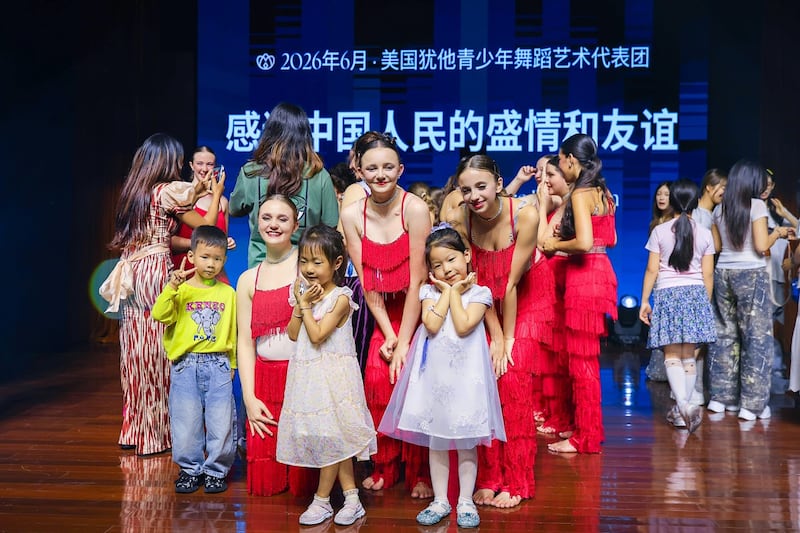
It would be wrong to romanticize it. These trips take enormous work and the trust of parents handing their children to a program a world away. That trust has been earned, year after year. The reward is a generation of young Utahns who see China more clearly and generously and Chinese families who go home with a warmer picture of America.
In its quiet way, that is both patriotism and peacemaking. It is also a Utah story worth telling: local kids, a local studio, and a remarkable neighbor among us. To families who want this for their children, future exchanges are open to new dancers. The next ones to make the journey may be in your own living room.