

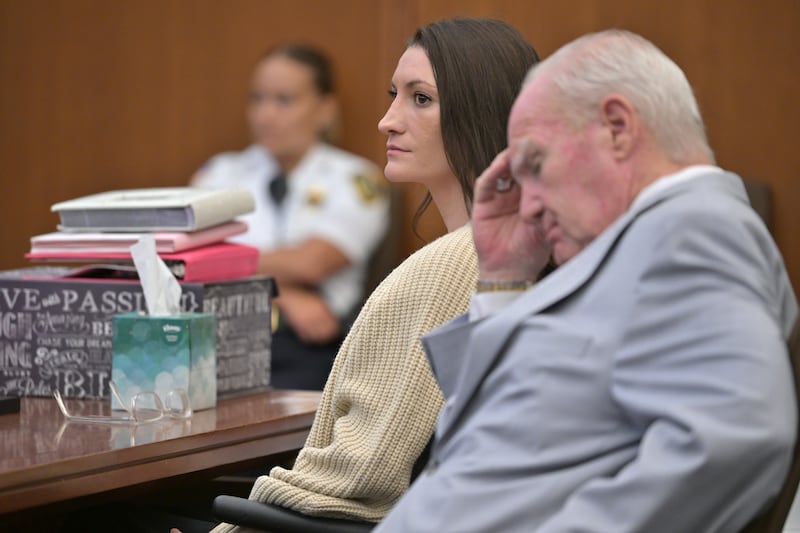

Why has the trial of Lindsay Clancy garnered so much attention? It would be comforting to say that it is because her crimes are so heinous and rare. But the truth is they are not.
At the Lives Cut Short database, a joint project of the American Enterprise Institute and the University of North Carolina, we have collected almost 5,000 records of child maltreatment fatalities between 2022 and 2026. These are only a fraction of the total deaths from neglect and abuse that occurred during that time period, but the database gives us a window into these tragedies.
Almost half of those deaths (2,282) involved the biological mother of the child. And while many of them were the result of accidental circumstances like fentanyl poisonings, 912 involved “inflicted injury.” And just in case that wasn’t bad enough, we found 214 cases involving mothers whose children suffered “torture or prolonged maltreatment.”
Even in Clancy’s home state of Massachusetts there have been similar cases. In 2024, for instance, 4-year-old A’zella Ortiz was found unresponsive and malnourished, covered with bruises and showing signs of significant head trauma. One of her siblings had a skull fracture and the other tested positive for fentanyl. Their mother, Francesca Ortiz, was charged with murder. But many other mothers who have killed their children are not.
Last December, Marie Cohen, who blogs at Child Welfare Monitor, recently noted that 10 children were victims of homicide by their caregivers in Washington, D.C. between January 2022 and March 2025, according to information from the Office of the Chief Medical Examiner. But only five of the homicides resulted in criminal charges. In some of the cases, we still don’t know what happened.
They include Austin Alphonso Oliver, an infant who died of fentanyl intoxication, according to an autopsy performed on Aug. 3, 2025, and Sabrina Taylor, an infant who died of “non-accidental head/neck trauma” and the manner of death was homicide, according to her autopsy on May 24, 2023.
As Cohen notes, “justice delayed is justice denied.”
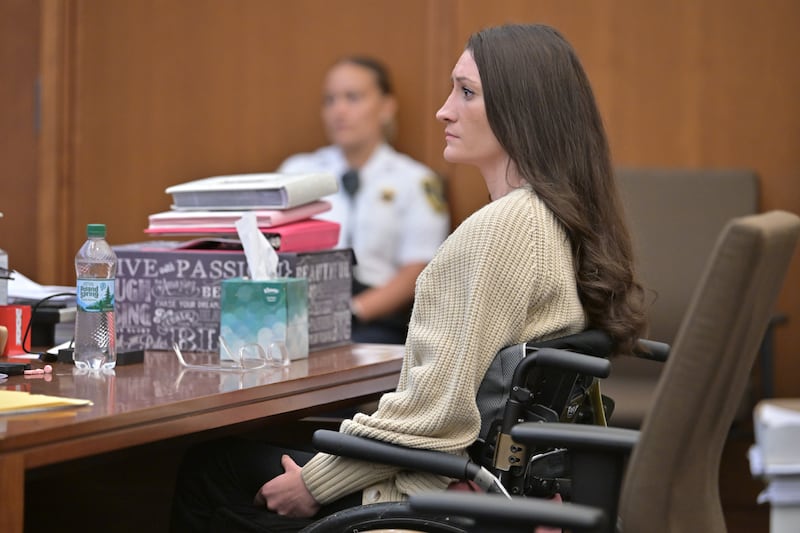
But the problems here may not simply be delays. In its report looking at child maltreatment fatalities released earlier this year, Safe Passages for Children of Minnesota noted that “Biological parents who kill their children are commonly not criminally charged. When biological parents are criminally convicted, they serve shorter prison sentences than others convicted of similar crimes.”
Why as a society do we seem to be more forgiving of parents who kill their children than strangers who commit the same crime? Perhaps we think they have been “punished enough” by the loss of their children. But honestly this seems a little like the famous definition of chutzpah — kids who kill their parents and then ask for mercy from the court because they are orphans.
Of course, there is something seriously wrong with parents who kill their children. But presumably there is something wrong with anyone who kills an innocent child. The fact that many of these deaths are the result of drug addiction or mental illness could be considered mitigating factors at a trial, but most people don’t feel we should be lenient with drunk drivers who kill people just because they are addicted to alcohol.
Much of the discussion around the Clancy trial has revolved around whether she should be criminally liable or whether she was experiencing postpartum psychosis. Regardless of where the jury comes down on that question, it is disturbing to see that so little of the public commentary on Clancy is about her children and the fate they suffered. Indeed, the fact that women are standing outside the trial supporting Clancy and suggesting on social media that they could imagine themselves doing the same thing is a chilling reminder of our lack of concern for these young victims.
But having the trial is important and, frankly, more of these cases should go to court. As Cohen writes, “No criminal penalty will bring back these children, … but all lives that are violently and unlawfully taken demand justice. It matters for the people who loved and cared for these children and for all members of the public who care about their suffering and death.” And it is important too that these adults will be kept away from other children and prevented from engaging in these harmful behaviors again.
One hopes that this trial will bring our focus back to the more than 2,000 children each year who are killed by their caregivers. Their names should be spoken aloud and their lives — however short —should be remembered.