

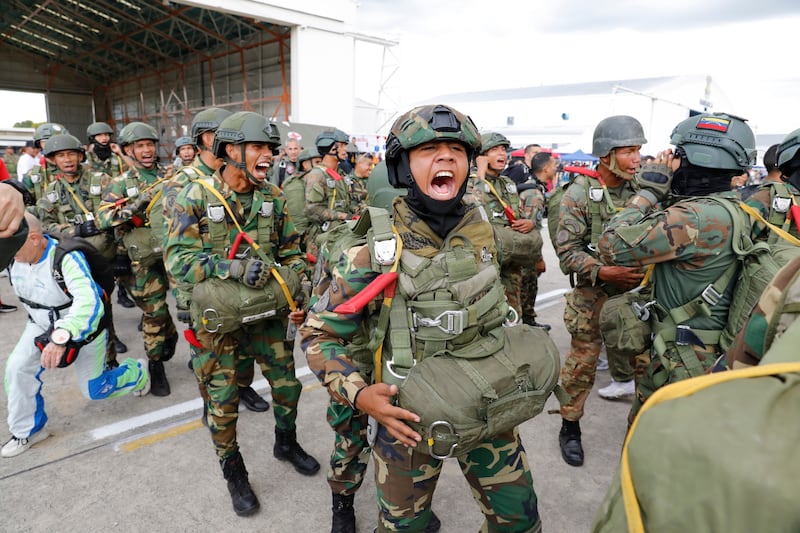

President Donald Trump confirmed to reporters on Air Force One on Sunday that he had a phone call with the Venezuelan President Nicolás Maduro amid the increasingly tense relations between the two nations.
Though he was short in his explanation, Trump accused Venezuela of releasing criminals and drugs into the U.S., labeling it “not a friendly country.”
A source told the Miami Herald that Trump gave Maduro an ultimatum:
“You can save yourself and those closest to you, but you must leave the country now. ... Washington demanded that Maduro and his top allies leave Venezuela immediately to allow the restoration of democratic rule, while regime leaders proposed handing political control to the opposition but retaining command of the armed forces.”
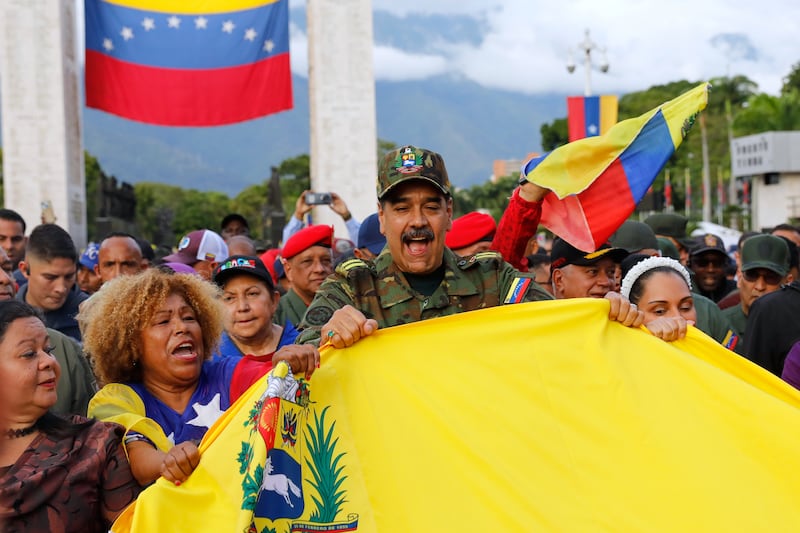
Last week, the United States’ designation of the Venezuelan Cartel de los Soles as a foreign terrorist organization, allegedly led by Maduro, took effect. It’s another tactic by the White House as it engages in armed conflict against drug cartels and could expand the U.S. authority for potential strikes inside Venezuela.
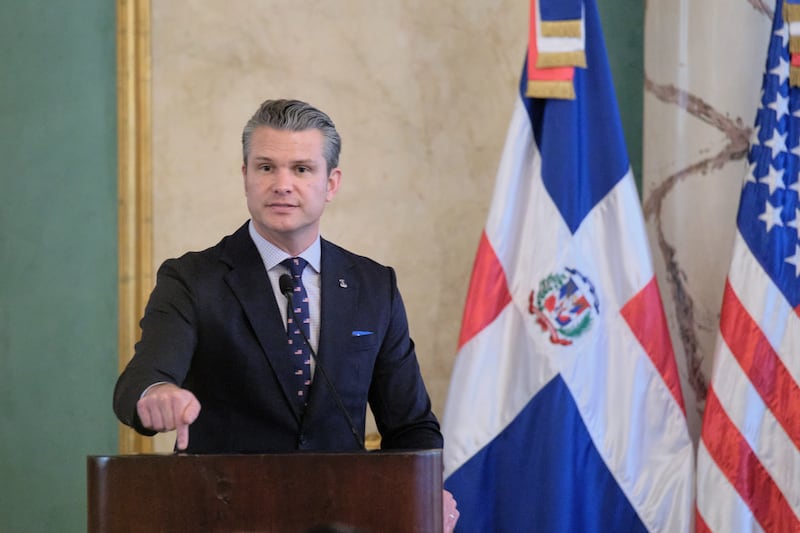
White House press secretary Karoline Leavitt confirmed that another call is scheduled for Monday night and members of Trump’s Cabinet, including Secretary of Defense Pete Hegseth and Secretary of State Marco Rubio, are expected to attend.
Is war imminent?
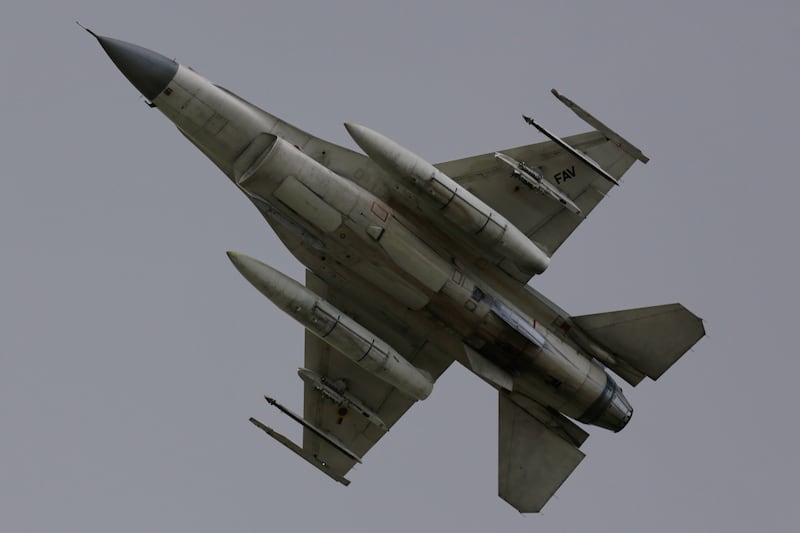
Relations with the South American country turned hostile and have only escalated since September, when the Trump administration began attacking suspected drug boats in international waters that they determined were operated by drug cartels linked to the Venezuelan government.
Since the strikes began, there have been at least 22 hits and an estimated 70-plus deaths, according to The Washington Post.
Hegseth has remained firm in defending his department’s actions, even after The Washington Post released an exclusive story over the weekend accusing Hegseth of allowing a second strike on survivors of a boat who had allegedly survived an initial attack.
During the press briefing on Monday, reporters questioned the legality and ethics of the alleged second strike.
“The president has made it quite clear that if narcoterrorists, again, are trafficking illegal drugs towards the United States, he has the authority to kill them, and that’s what this administration is doing,” Leavitt said in response.
She continued, “Presidentially designated narcoterrorist groups are subject to lethal targeting in accordance with the laws of war. With respect to the strikes in question, on Sept. 2, Secretary Hegseth authorized Adm. (Frank) Bradley to conduct these kinetic strikes. Adm. Bradley worked well within his authority and the law, directing the engagement to ensure the boat was destroyed and the threat to the United States of America was eliminated.”
But what wasn’t made clear was if the second strike occurred, and why two survivors of a strike in October were sent back to their countries for prosecution.
Leavitt said that, to her knowledge, no policy change was made in between the two incidents.
In what was likely a response to The Washington Post’s article, Hegseth accused the media, in a post on X, of creating “fabricated, inflammatory, and derogatory reporting.”
“Our current operations in the Caribbean are lawful under both U.S. and international law, with all actions in compliance with the law of armed conflict — and approved by the best military and civilian lawyers, up and down the chain of command," he said.
He added, “The Biden administration preferred the kid gloves approach, allowing millions of people — including dangerous cartels and unvetted Afghans — to flood our communities with drugs and violence. The Trump administration has sealed the border and gone on offense against narco-terrorists. Biden coddled terrorists, we kill them.”
“We have only just begun to kill narco-terrorists,“ Hegseth said in a separate post.
U.S. military build-up in the region near Venezuela include more than 15,000 troops and several warships as part of Operation Southern Spear, per CNN.
Members of Congress in both political parties have vocalized concerns about the legality of the strikes on alleged narcoterrorists in international waters.