

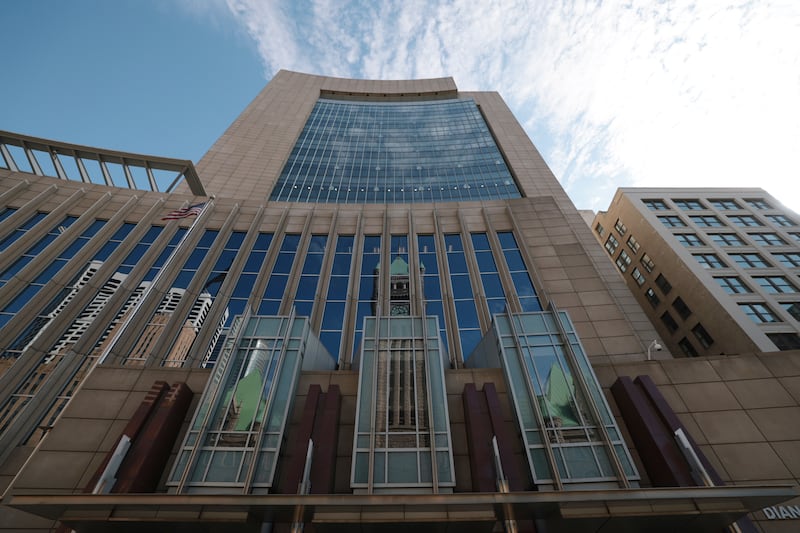

The Department of Justice on Thursday indicted 15 operators of autism centers, child care programs and housing assistance companies for over $90 million in fraudulent reimbursement schemes.
These charges, known as the Minnesota Health Care Fraud Takedown, included the two largest Medicaid fraud cases ever charged in the district.
President Donald Trump called Minnesota “a hub of fraudulent money laundering activity” last year, after news reports of fraud surfaced and after eight defendants were charged with wire fraud.

Woman guilty of COVID-19 fraud sentenced
Also on Thursday, the woman guilty of the “single largest COVID-19 fraud scheme in the country,” as stated in a court filing, was sentenced in federal court.
Aimee Marie Bock, 45, said, “I understand that I failed,” according to news accounts. “I failed my public, my family, everyone.”
Bock was the founder and executive director of Feeding our Future, a Minnesota-based nonprofit that claimed to provide million of free meals to needy children during the pandemic.
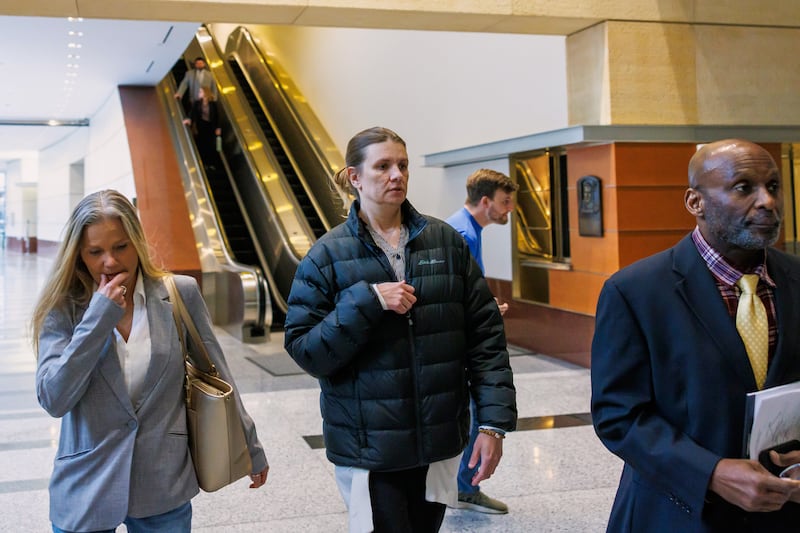
In reality, the nonprofit used government funds to purchase luxury vehicles, real estate and travel experiences, according to The Associated Press.
On Thursday, Bock was sentenced to 42 years in prison and ordered to pay $243 million in restitution.
“The brazen and staggering nature of her crimes has shaken Minnesota to its core, leaving lasting damage and eroding public trust,” the filing said. “Her actions have permanently altered the state, and not for the better.”
“The ripple effects of her actions are profound, immeasurable, and will have lasting consequences for both Minnesota and the nation.”
Vance leads fraud task force
Bock is one of thousands facing consequences for fraudulent use of government funds, Vice President JD Vance posted on social media.
“Our message is simple: if you’re committing fraud, we will find you, and we won’t rest until justice is served,” Vance said on X.
Vance announced a pause in Medicaid payments to Minnesota months ago due to investigations surrounding the use of federal funds.
Fraud regulation is government-wide
The war against fraud is a growing collaboration between multiple arms of the government.
The House Committee on Oversight and Government Reform has advanced several bills targeting fraud in federal programs by strengthening oversight control on distributing funds and monitoring their use.
The White House established the Task Force to Eliminate Fraud in March to advise the president on “government-wide efforts to combat widespread fraud, waste, and abuse in Federal benefit programs,” according to a press release.
The DOJ announced the creation of the National Fraud Enforcement Division in April, with a mission to investigate and prosecute those who participate in fraudulently using government funds.
Several states have seen changes in their funding based on the activity of these organizations.
Vance recently deferred $1.3 billion in Medicaid reimbursements from California, saying, “the state of California has not taken fraud very seriously.”
Vance said that if other states fail to “aggressively prosecute Medicaid fraud,” they will face funding cuts.
More than $1 billion has already been spent on this effort, and it’s likely that the nation has not seen the end of fraud-related prosecutions.
Just this month, DOJ announced enforcement actions in Boston, Florida and Tennessee as part of the nationwide war on fraud.
“The DOJ Fraud Division, along with the White House’e Task Force to Eliminate Fraud, will dismantle illegal schemes from coast-to-coast, just as they did today in Minnesota,” said Acting Attorney General Todd Blanche in a press release. “This is just the tip of the iceberg.”