


A House committee approved a Railway Safety Act amendment last week, which includes measures to increase railway safety. Some celebrate what the legislation, part of a larger BUILD America 250 Act which is under consideration, would do while others are warning of negative consequences for the American consumer.
Here is where things stand:
What is the Railway Safety Act?
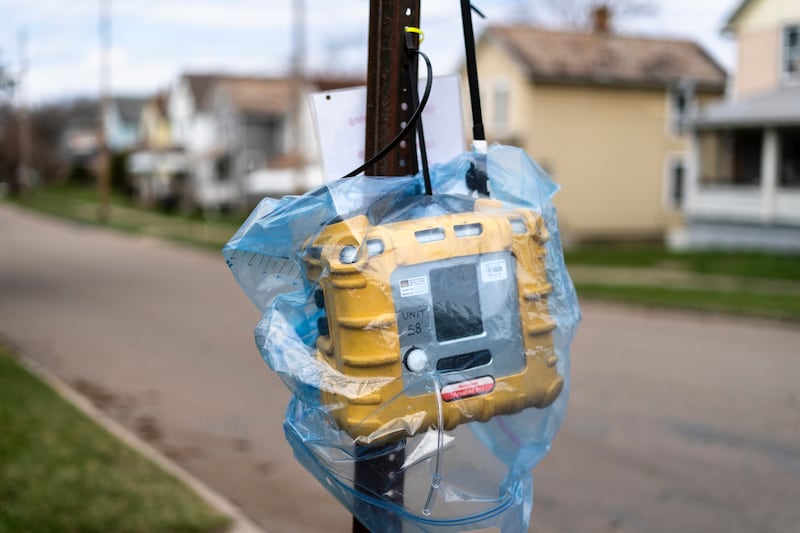
The Railway Safety Act amendment, which passed the House Transportation & Infrastructure Committee on May 21, would enhance safety measures for trains carrying hazardous materials, according to language in the legislation. Requirements would expand the use of detection technology, improve emergency response, lengthen the list of hazardous substances that require higher safety standards, prevent improper railcar inspections, require a minimum of two crew members to operate a train and increase penalties for violations of rail safety law.
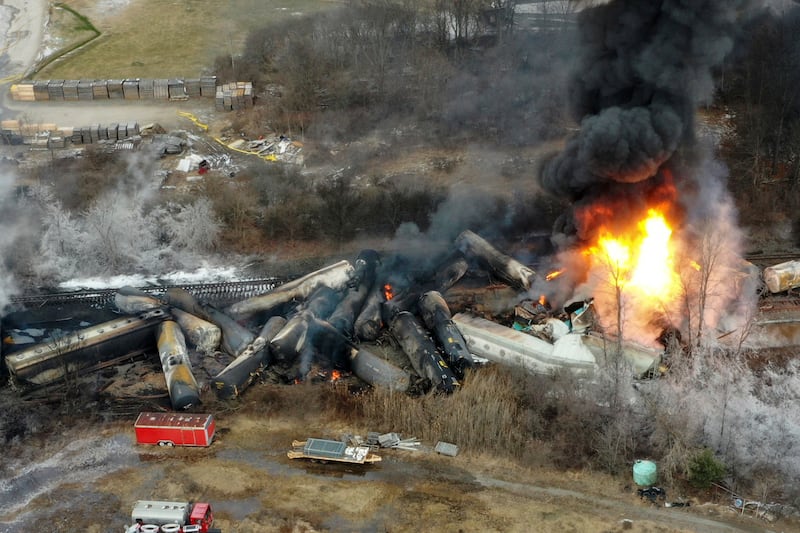
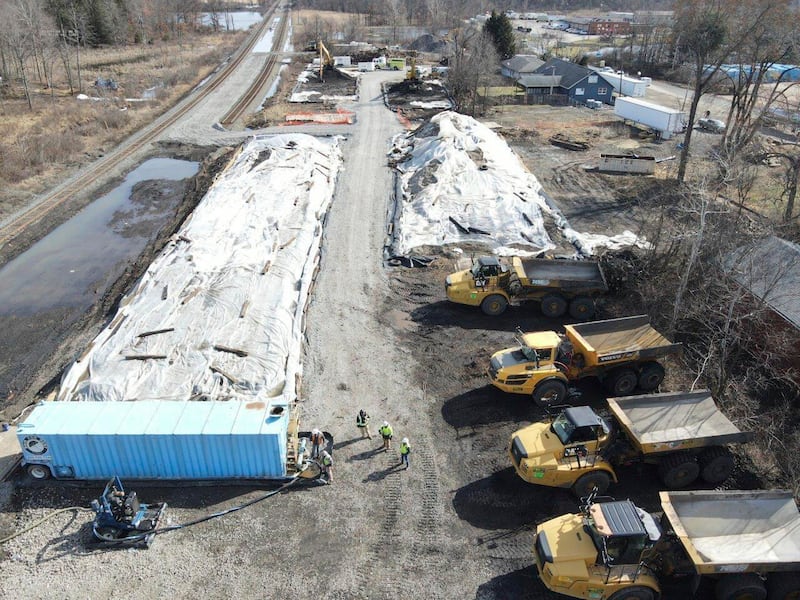
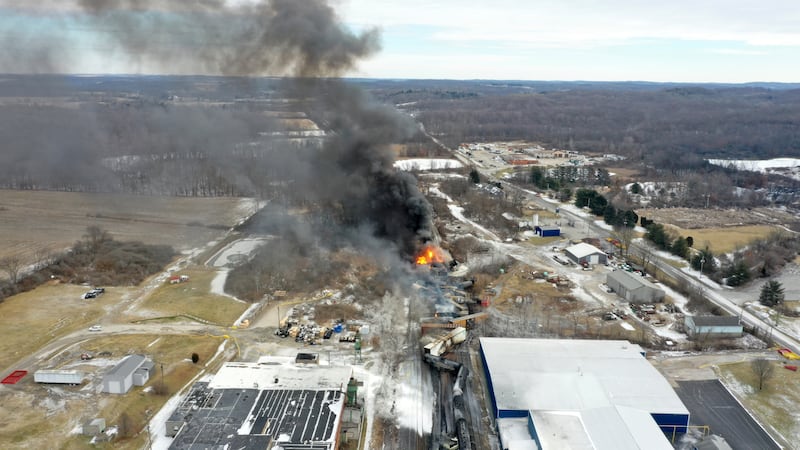
The Railway Safety Act was originally proposed following the Norfolk Southern train derailment in East Palestine, Ohio, in 2023, when several train cars carrying hazardous materials derailed and sparked a fire that lasted several days.
Several leaders, including Vice President JD Vance, then a U.S. senator representing Ohio, encouraged the legislation from the start.
Despite encouragement, however, the act was not passed into law after its initial introduction in 2023.
In March of this year, Rep. Chris Deluzio, D-Pa., joined Reps. Nick LaLota, R-N.Y., Michael Rulli, R-Ohio, and John Garamendi, D-Calif., to introduce the Railway Safety Act of 2026.
“Three years is a long time to wait for change. Some people, especially in Washington, seem to have forgotten about the 2023 Norfolk Southern derailment, and its impact on folks in Beaver County and our neighbors in Ohio — but I haven’t, and I won’t,” Deluzio said in a press release. “It’s taken too long, but it’s never too late to do something good.”
President Donald Trump encouraged lawmakers to pass the act.
The act was amended into the BUILD America 250 Act, a major transportation bill, on May 21. It is the first legislation on rail safety passed by Congress since the 2023 derailment.
The Build America 250 Act would still need to clear the full U.S. House, the U.S. Senate and then sent to the president to be signed into law.
The debate: Pros
Deluzio said the provisions in the act will “make life safer for people that work and living along the tracks.”
Rulli made a similar statement in a press release, saying, “These commonsense protections are exactly what our country needs to prevent a disaster like this from ever happening again.”
Alongside legislators, several coalitions praised the legislation.
“This is a great day for railroad workers. It is a great day for the long-term stability of our national supply chain and economy,” said SMART-TD national safety and legislative director Jared Cassity in a press release. “But more importantly, this is proof what when the well-being of working Americans is directly at stake, there is still enough decency left in Washington for people from different political backgrounds to come together and do what is right for this country and its blue-collar middle class.”
Mark Wallace, national president of the Brotherhood of Locomotive Engineers and Trainmen, said the regulations will benefit Americans nationwide.
“With 12,000 municipalities served by railroads and more than 80 million Americans living near Class l rail lines, the stakes could not be higher. Two-person train crews, modern braking systems, stronger inspections, tougher penalties, and improved hazardous materials notification are essential to protecting railroad workers and the public,” Wallace said in a statement.
The debate: Cons
While some celebrate, others are wary of the consequences the new regulations may bring.
Critics say the act addresses a problem that is already solving itself, making it redundant and ineffective. The Association of American Railroads reports accident rates fell to historic lows in 2025, and the overall train accident rate is down 14% year-over-year.
Other critics say even if there is a problem, the regulations in the act are ineffective at addressing it. For example, the Association of American Railroads released data that suggests two-person crews don’t improve safety.
Kristian Stout, director of innovation policy at the International Center for Law & Economics, said the act would limit innovation in railway safety technology.
“A federal rule written today would codify 2026-era technology and, given the FRA’s (Federal Railroad Administration) multiyear rulemaking timelines, likely be obsolete before it takes effect,” he wrote in an article published by the center.
“Its rigid specifications would risk discouraging the innovation that has driven decades of safety gains, while its most visible provisions appear driven more by special interests less than evidence on safety.”
Last week, Americans for Tax Reform launched a $1 million ad campaign against the act.
“The Railway Safety Act is a war on affordability. It raises the cost of everything that moves by rail,” said Grover Norquist, president of Americans for Tax Reform, in a statement. “The RSA makes everything more expensive for American families while lining the pockets of left-wing union bosses.”
The ATA said the act will increase consumer costs without significantly impacting railway safety. They also warned that it will slow the movement of commodities on railways.
This worry comes as commodities are already moving slower due to disruptions stemming from the war involving Iran.
A coalition of more than two dozen conservative organizations wrote a letter to Trump and other leaders, opposing the legislation.
“Rail transportation, in particular, plays a vital role in connecting energy producers, mines, manufacturers, and export terminals,” they wrote. “Unfortunately, the proposed Railway Safety Act illustrates the danger of imposing significant new operational mandates without clear evidence of improved safety outcomes.”
“These provisions risk raising freight costs, slowing the movement of energy commodities, and discouraging the very innovative need for safer, more effective rail operations — directly undermining your goals of energy security, domestic manufacturing revival, and supply chain resilience.”
Correction: A previous version of this story stated the House had passed the Railway Safety Act. The House Transportation & Infrastructure committee advanced the legislation out of committee. It still faces votes in the full House and Senate.