



- Scott Pelley was fired from “60 Minutes” after a heated confrontation with new executive producer Nick Bilton amid broader staff turnover under Bari Weiss’s leadership.
- Pelley accused Weiss of “murdering” the program and clashed over the adapting of the show to a digital-first model.
- CBS’s internal upheaval is framed as part of a wider strategy shift toward profitability and niche audiences in a fragmented media landscape, raising questions about the future of the traditional broadcast model.
After a fiery confrontation in which CBS Editor in Chief Bari Weiss was accused of “murdering” the company’s most popular program, “60 Minutes” correspondent Scott Pelley was fired, joining the list of journalists who have left or been forced out from the 58-season show.
Pelley is now the fourth of seven “60 Minutes” correspondents who have either quit or been fired, including Anderson Cooper, Sharyn Alfonsi and Cecilia Vega.
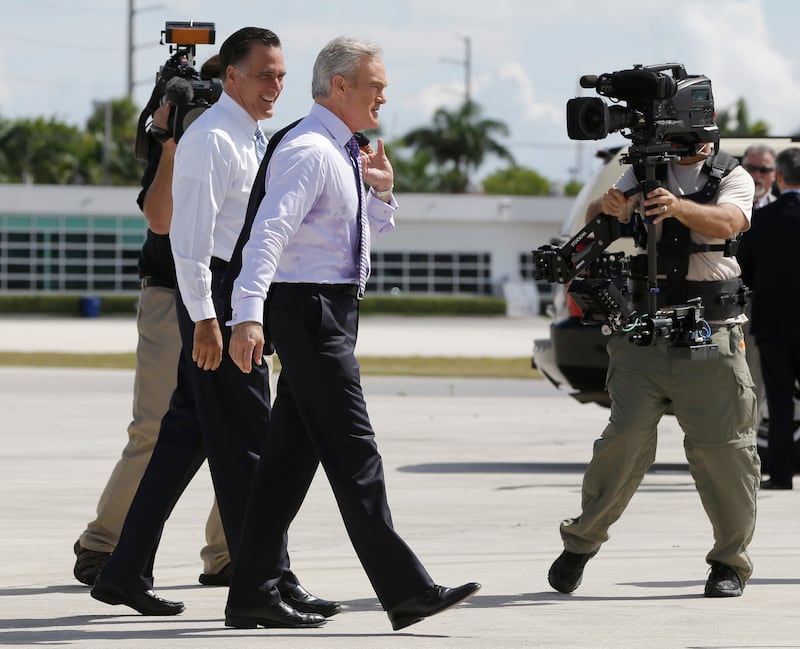
On Monday, The New York Times released portions of a “60 Minutes” staff meeting, in which Pelley made a series of contentious remarks to the show’s new executive producer, Nick Bilton. On Tuesday, Bilton sent a letter to Pelley, terminating his contract, effective immediately.
Supporters of Pelley, in headlines and X posts, expressed outrage at his removal from “60 Minutes,” after his 37 years at CBS.
Senior fellow at the American Enterprise Institute and author of “Broken News,” Chris Stirewalt, told the Deseret News that viewing the upheaval at “60 Minutes” as “a Manichaean struggle of good and evil sort of misses the point.”
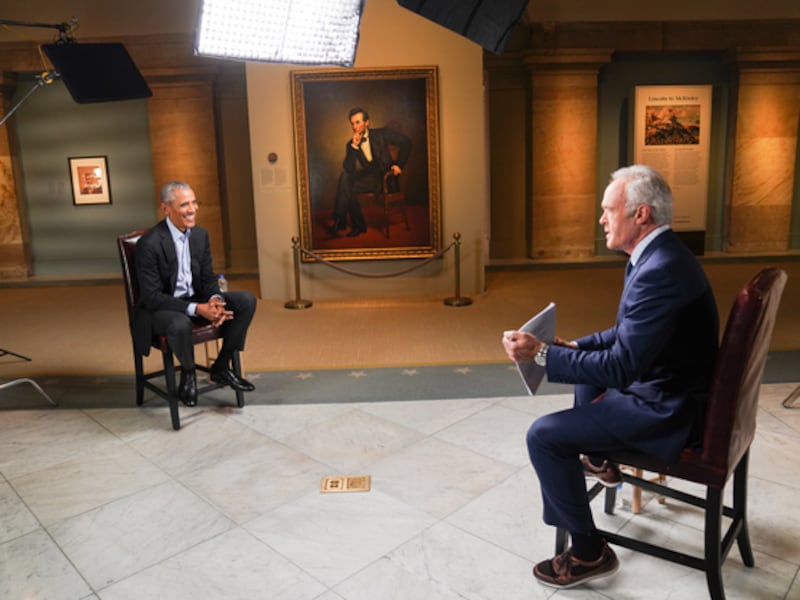
It doesn’t matter whether you believe Weiss or CBS’s owners are killing “60 Minutes,” Stirewalt, said, “because the model is already dead.”
Pelley’s departure marks a continued shift within CBS, as Weiss attempts to calibrate the company for a rapidly changing digital world.
Inside the staff meeting that resulted in Pelley’s firing
During his first “60 Minutes” staff meeting on Monday, recently appointed executive producer Bilton described his vision for the long-running show. From audio obtained by several other newsrooms, Bilton said the format of traditional TV broadcasts is becoming obsolete.
Then Bilton denied rumors that he would turn the show into short one-minute episodes.
“Broadcast is an ice cube that is melting, OK?” Bilton said, adding, “Bari loves this institution. She loves ‘60 Minutes.’”
Then Pelley interrupted.
“She is murdering ’60 Minutes,’” he said. “She does not love this place. She was brought in to kill it, and she’s been doing exactly that.”
Pelley continued, “She has no qualifications for her job; you have slender qualifications for this job. The changes that she’s made at the ‘Evening News’ have been catastrophic, so why should we expect that any of this is going to be any better?”
Bilton responded, “Well, I will show you. That’s what I have to say. That is my plan over the next two weeks. I’ll be meeting with everyone. I’m very excited to meet with everyone, yourself included.”
At several other points during the meeting, Pelley asked Bilton why correspondents Alfonsi and Vega had been fired. Bilton said the decision was made prior to his hiring.
Then Pelley asked Bilton why he’d accepted a position at CBS “knowing that you will never be welcome here.”
“I have no problem taking a job in a place that I am not welcome in,” Bilton responded. “I don’t think that will be the case. ... I have been a journalist for 25 years, Scott. I’ve sat across from incredibly powerful people like you have, and none of it intimidates me. OK? So you are not going to intimidate me in front of this group of people. I want that to be clear.”
Bilton then said he wanted to help “60 Minutes” adapt to the changing media industry.

When the new executive producer said, “I care so deeply about this institution,” Pelley interrupted, “Oh, please.”
CBS News Managing Editor Charles Forelle was reportedly present during the meeting and at one point asked Pelley to not act rudely toward Bilton.
Pelley responded, “I’m not being rude. You know what was rude? Black Thursday was rude.” He was referencing the recent layoffs of 60-70 employees from CBS News.
Chris Stirewalt gives some context
Columnist for The Dispatch and host of “The Hill Sunday,” Stirewalt told the Deseret News that turnover at CBS is being driven to increase profitability and viewership.
“I think if you were on the outside looking in on what CBS is trying to do, they’re trying to find a way to get viewers on the right who are now watching Fox or are now not watching the news to follow them through the wormhole of a post-broadcast future,” Stirewalt said.
When CBS first aired “60 Minutes” in 1968, “their goal was to get the largest possible share of the American television-viewing audience.”
In 2026, the media landscape is fragmenting. “It’s about picking an audience, catering to that audience’s needs and desires, and keeping them intensely loyal,” he said. “So instead of trying to get a third of the country to watch, we say, ‘How do we get 3 million people to be intensely engaged with us?’”
“There are very few outlets that can say, ‘Yeah, we have an audience that is Republican and Democratic, male and female, black and white and Hispanic and the like,” Stirewalt said.
When asked if a new cast of more moderate correspondents could make “60 Minutes” more appealing, Stirewalt said it would be a “trade.”
“(60 Minutes) was already siloed for a strongly left-coded audience,” he said. So bringing the show toward the political right would mean “los(ing) left-leaning viewers.”
On Jan. 1 this year, CBS announced it would be making changes as a newsroom to tell unbiased stories better.
Stirewalt said it remains to be seen whether CBS and “60 Minutes” will be able ”find the Aristotelian golden mean of people and voices to appeal to independent plurality" or if its political bias will swing in another direction.