


The United States and Iran exchanged strikes again on Thursday, marking the second straight day of attacks between the two countries and further threatening the peace deal signed by top officials just one month ago.
The Pentagon confirmed the second round of strikes in a statement late Wednesday, noting the U.S. struck “approximately 90 Iranian military targets” including air defense systems, coastal surveillance assets, naval capabilities, missile and drone storage sites, and military logistics infrastructure.
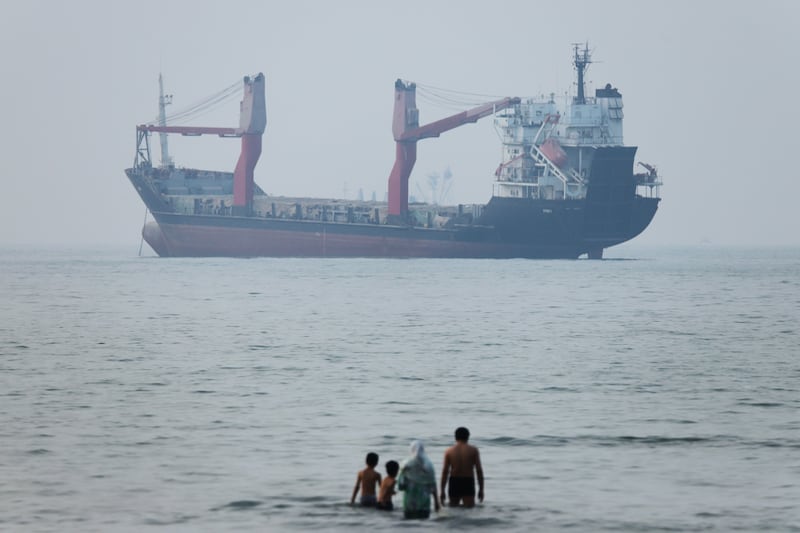
The strikes, according to the U.S. Central Command, were designed “to further degrade Iran’s ability to attack commercial shipping and innocent civilian mariners in the Strait of Hormuz.”
The attack brings the total number of targets hit to 170 over the last two days — 15 times more than the number of targets struck in the most recent two-day retaliatory strikes in late June.
Iranian officials said early Thursday they had launched drone and missile strikes at U.S. bases located in Kuwait and Bahrain in retaliation to the latest attack.
The U.S. military also struck a railway line connecting Tehran to the northeastern city of Mashhad, Iranian officials said in a statement published by state media. That target was not reported by CENTCOM, and Iranian officials did not give details about the extent of damages.
The Islamic Revolutionary Guards Corps said the U.S. had also targeted two bridges in eastern Iran, warning that more U.S. bases would be hit if strikes continued.
“To be clear: Hit, and you’ll be hit,” Mohammad Bagher Ghalibaf, the top negotiator for Iran, wrote on social media early Thursday. “The Strait of Hormuz will open only under Iranian arrangements, not American threats.”
In addition to other targets, Iranian officials said it had launched strikes against a military facility in Jordan that is also used by U.S. forces. The Jordanian military had previously confirmed it intercepted eight missiles but that those strikes did not cause any material damage.
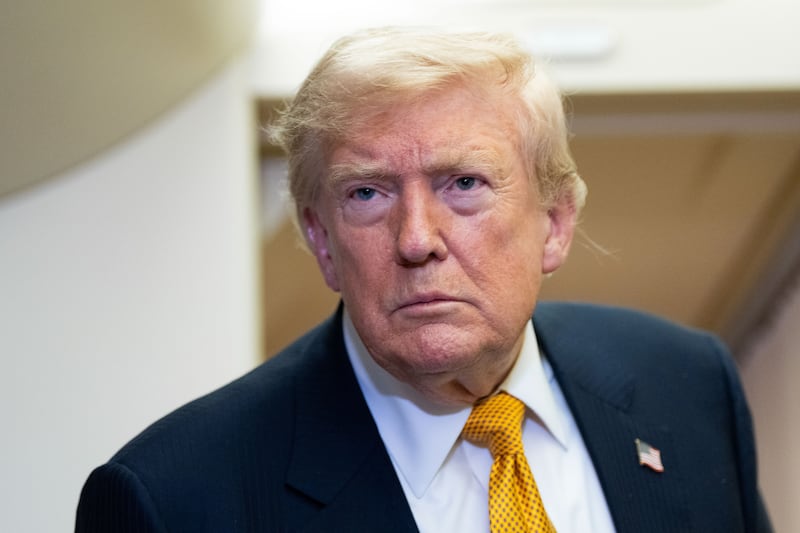
The latest round of attacks comes as talks between Iran and the United States remain fragile. President Donald Trump told reporters on Wednesday he believed the ceasefire deal struck last month to be “over” and that he didn’t think “it’s going to start again.”
Hours later while on Air Force One, Trump dismissed negotiations for a longer-term peace deal as a “waste of time” — while also saying top Iranian officials “want to make a deal so badly.”
“They called a little while ago,” Trump said. “I just don’t know if they’re worthy of making a deal. I don’t know that they’re going to honor the deal.”
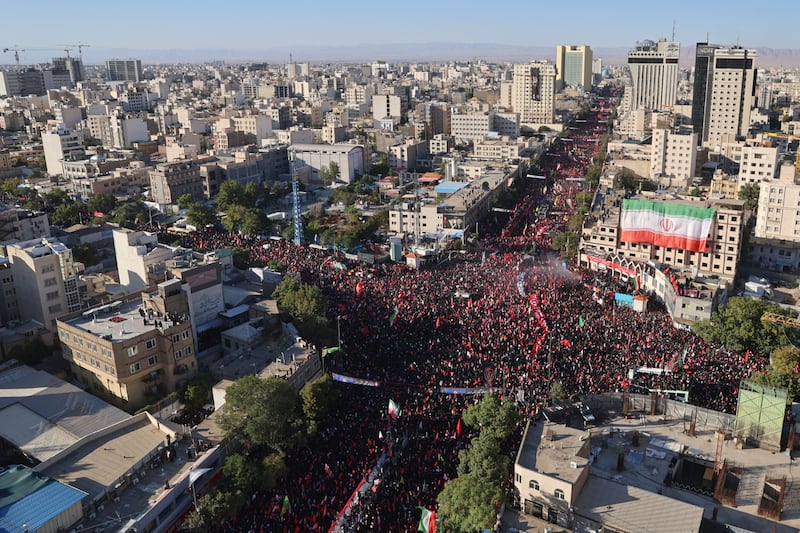
Negotiations between the two countries are currently paused until after the funeral ceremonies for Ayatollah Ali Khamenei, the former supreme leader of Iran who was killed on the first day of the war.
The status is not clear of the memorandum of understanding that was signed by top U.S. and Iranian officials in June declaring a temporary ceasefire.
The initial framework declared a commitment from Iran to work with the U.S. to verify it is not developing a nuclear weapon nor is it “funding radicalism and terrorism in the region,” according to senior U.S. officials. If those expectations are met, the U.S. would welcome Iran into the world economy by offering “a combination of sanctions relief and other economic measures.”
The deal established a 60-day ceasefire between both countries while negotiations were set to continue on Iran’s nuclear capabilities.