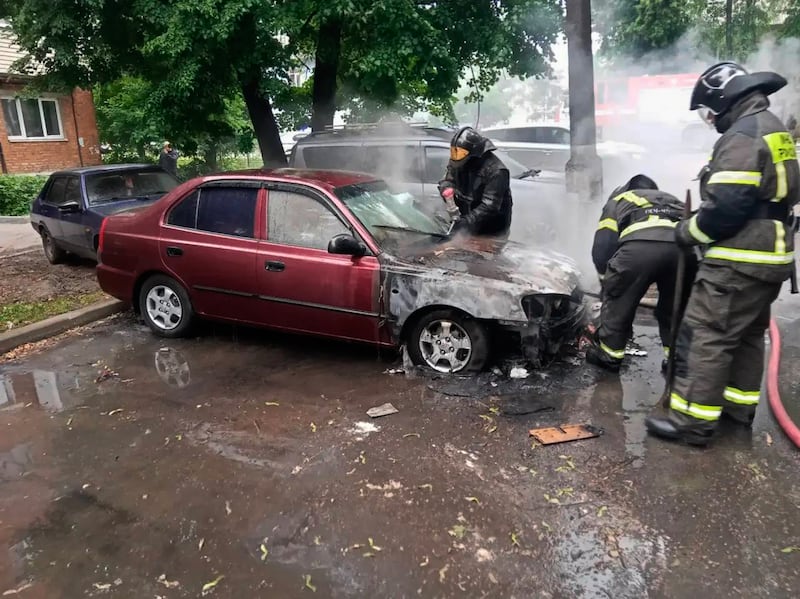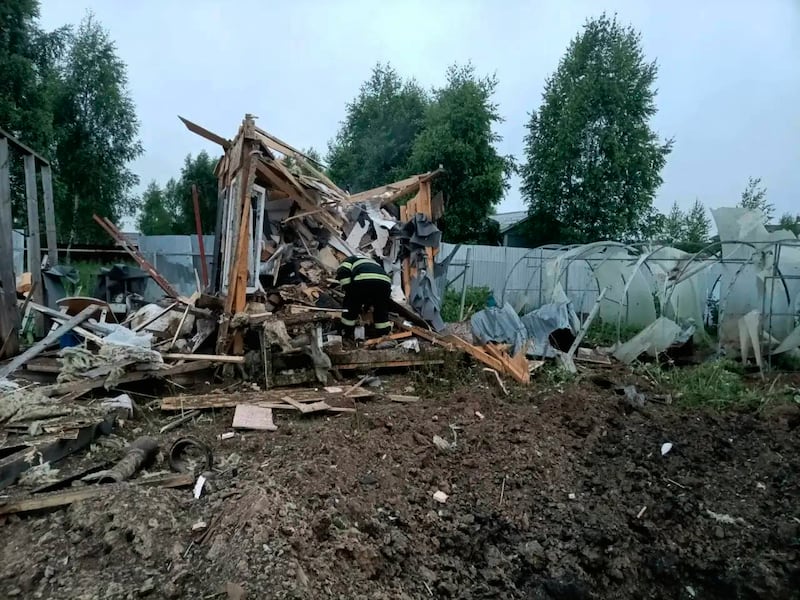

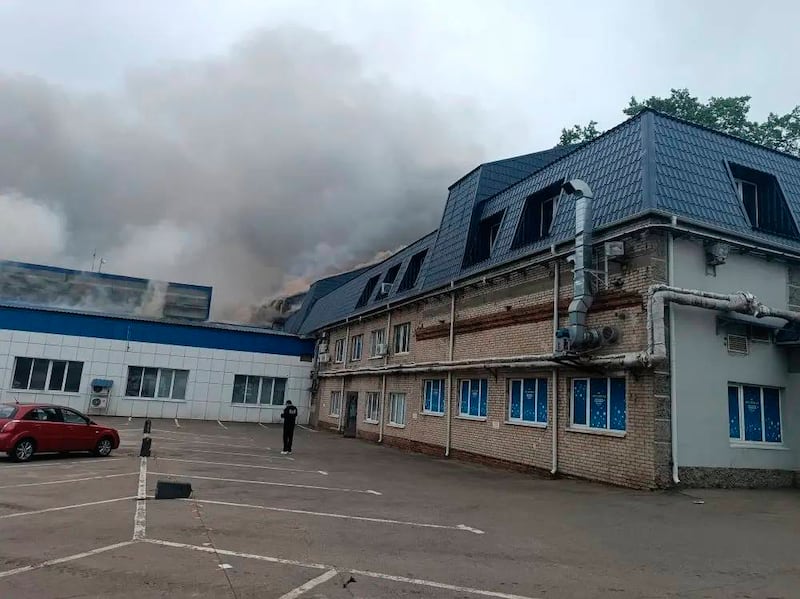
Ukraine launched a major attack on Moscow Thursday that saw drones strike an oil refinery, sending massive plumes of smoke into the air. According to reports from the region, close to 200 targets were hit throughout Moscow during the attack.
“For the second time this week,” wrote Ukrainian President Volodymyr Zelenskyy in a post on X, “the Moscow refinery was hit. Targets were also struck in the Rostov region.”
According to local Gov. Andrew Vorobyov, 16 people were injured in the attack. The city also faced disruptions as the city’s four airports were closed and some major highways were closed.
The New York Times reported that amid Ukraine’s continued attacks on Russian oil refineries, gas stations in some regions of Russia have seen long lines and have begun to ration fuel.
The war has gone on for over four years and has now passed the mark of being longer than World War I. As attacks deep inside Russia increase and economic strains from the war augment, some fear political support for the war may falter.
Last month, Reuters reported that Russian authorities are restricting publications of videos and images that depict aftermath of Ukrainian attacks.
Zelenskyy, in a voice memo shared to journalists, said, “If Ukraine burns, then your Moscow will burn as well.” The president framed the attack as a response to Russia’s attack on Ukraine’s Pechersk Lavra monastery complex in Kyiv.
Discussion of Ukraine joining the EU at leaders summit
Thursday, Zelenskyy will meet with the European Council in Brussels to discuss Ukraine’s potential membership in the bloc.
European Council President António Costa said at the summit that it’s “a historic week for Ukraine. … The EU, the U.S., and our partners from Canada, Japan, the UK — all of us — are working together to continue to support Ukraine.”
“We are leading a new momentum in our way toward a just and lasting peace in Ukraine,” said Costa.
Previously, talks of Ukraine and Moldova joining the EU were blocked by former Hungarian Prime Minister Victor Orban, but that effort has been reversed under new Prime Minister Péter Magyar.
This will be the first of six discussions required for a country to join the bloc, but both countries would need to align their laws with EU standards before being able to join.