

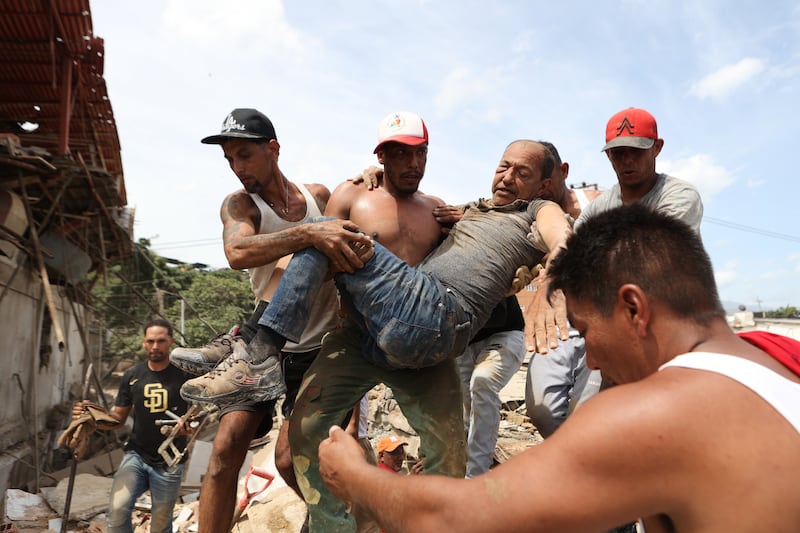

- Two earthquakes hit Venezuela Wednesday, leaving at least 188 dead and at least 1,000 injured.
- Rescue efforts are ongoing as the death toll in Venezuela continues to rise.
- International aid is being coordinated, with multiple countries offering support.
- U.S. Secretary of State Marco Rubio announced deployment of rescue teams and assets.
- Communication networks have experienced disruptions, impacting contact with loved ones.
A pair of powerful earthquakes with magnitudes of 7.2 and 7.5 struck Venezuela on Wednesday, killing at least 188 people and injuring more than 1,500.
The death toll is expected to rise as rescue efforts continue, according to The New York Times.
More than 200 individuals remain trapped as of Thursday afternoon, The Associated Press reported.
The back-to-back earthquakes, also known as a doublet because of their similar magnitudes, time and proximity, are among the most powerful to impact Venezuela in over a century, according to AP.
The capital, Caracas, and the nearby port city of La Guaira were heavily impacted. Videos on social media showed collapsed residential towers in both cities, according to the United Nations’ main humanitarian agency. The full impact on nearby shantytowns, where many residents live in homes built on fragile hillsides, remains unknown, The New York Times reported.
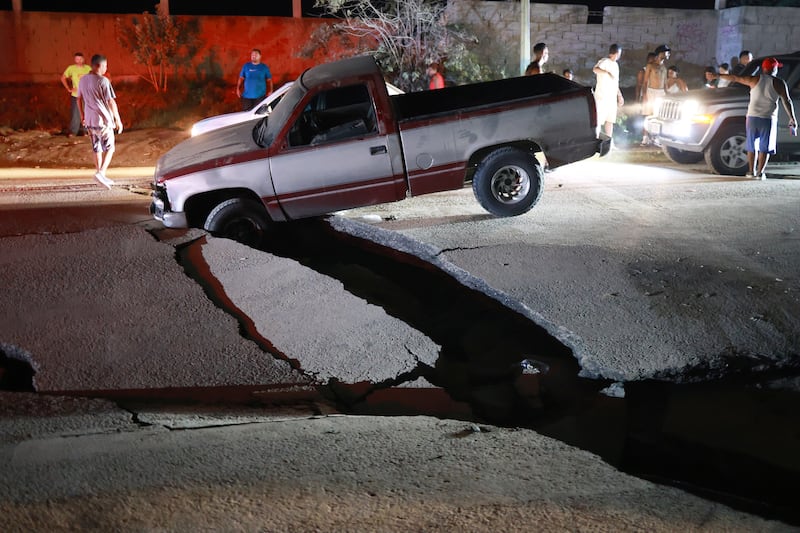
The disasters are expected to trigger the country’s worst humanitarian crisis in decades. In 1999, La Guaira was devastated by landslides that killed at least 15,000 people.
According to the U.S. Geological Survey, the first tremor, a magnitude 7.2 earthquake, struck at a depth of 14 miles just west of Morón on the Caribbean coast, about 105 miles west of Caracas. Less than a minute later, a second quake with a magnitude of 7.5 struck at a depth of about 6 miles, centered 10 miles southwest of Morón, The Associated Press reported.
The USGS noted that many residential structures in the region are made of unreinforced brick masonry and adobe block, leaving them vulnerable to earthquakes, according to The New York Times.
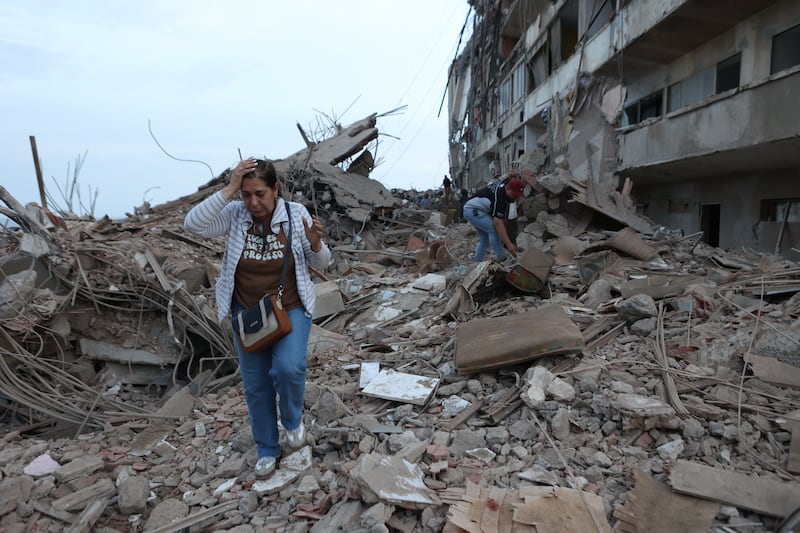
In the hours following the disasters, acting President Delcy Rodríguez called for national unity and highlighted the global humanitarian aid being sent to the Venezuelan government.
“Dozens of buildings have collapsed there ... and we are currently carrying out intensive rescue operations to save lives,” Rodríguez said.
Rodríguez added that international rescue teams would begin arriving early Thursday. Countries sending aid include the U.S., the Dominican Republic, El Salvador, Mexico and Qatar. China, Brazil and several Caribbean nations have also offered support.
U.S. Secretary of State Marco Rubio said the United States has deployed rescue teams and will send assets to the country’s main airport, which he described as “badly damaged,” according to Fox News.
President Donald Trump said in a post on Truth Social, “The U.S.A. stands ready, willing, and able to help! I have instructed all agencies of our government to get ready to move quickly. We will be there for our new and great friends.”
Through nongovernmental organizations and the United Nations Office for the Coordination of Humanitarian Affairs the U.S. will provide $150 million in assistance, along with two specialized urban search and rescue teams, according to AP.
More than 770,000 Venezuelans reside in the U.S. and many are organizing donation drives to provide aid to the nation. Florida, Texas and Utah are home to large Venezuelan communities, according to AP.
The acting Venezuelan president also noted that the country’s government is working with the International Monetary Fund to establish a $200 million reconstruction fund.
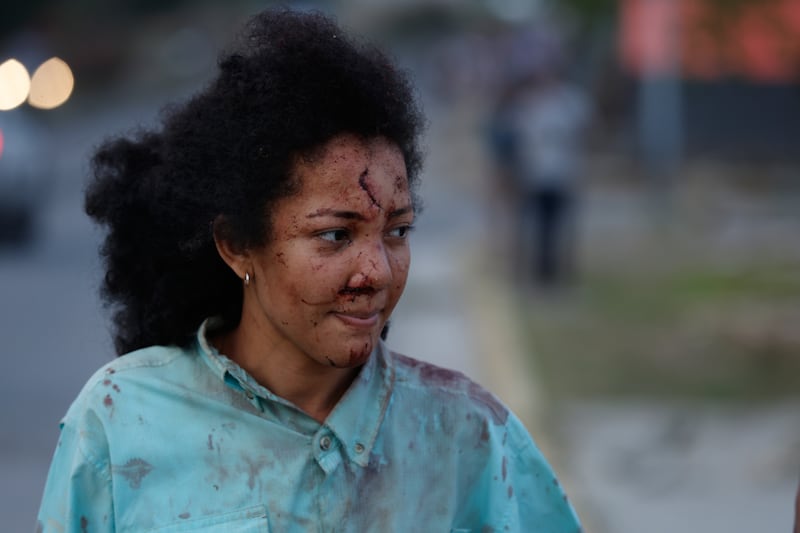
The Caribbean Area Presidency of The Church of Jesus Christ of Latter-day Saints issued a statement following the earthquake.
“We are deeply saddened by the recent earthquake that has affected Venezuela, causing moments of uncertainty and concern for many people and families,” Elder Valeri V. Cordón, Elder Hugo Montoya and Elder Ahmad S. Corbitt of the Caribbean Area Presidency wrote in a statement. “We express our sincere support, solidarity and prayers for all those who have been affected.”
Effects on the region
The effects of the quakes were felt beyond the mainland. The government of Curaçao, an island 40 miles off the coast of Venezuela, reported that residents there also felt the tremors.
Meanwhile, AP reported that Venezuelans have been urged to stay outdoors as aftershocks threaten to cause further structural collapses.
As of Thursday morning, families across Venezuela and around the world struggled to contact loved ones due to communication disruptions. To aid recovery and reunification efforts, the U.N. human rights mission in Venezuela urged the government to lift local restrictions on social media.
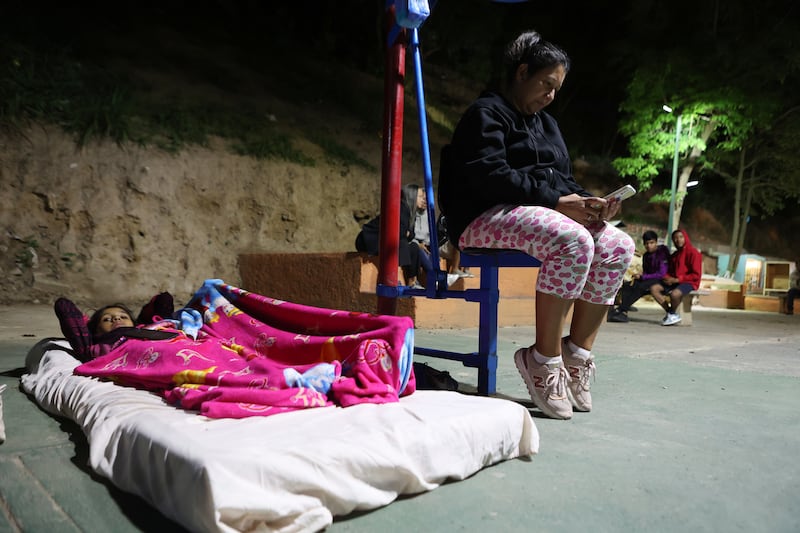
“In the coming hours and days, timely access to reliable information and communication channels will be essential for the protection of the lives, safety, and well-being of the population,” the mission said in a statement, according to AP.
Platforms such as X have been blocked in Venezuela since 2024, according to AP. However, as of late Thursday morning, several internet users in the country reported having access to the platform, according to The New York Times.
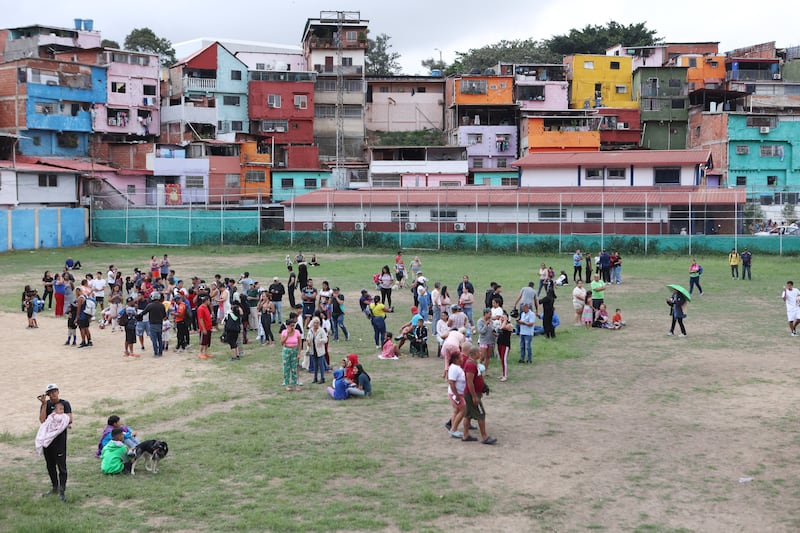
Despite Venezuela’s location near multiple fault lines, its unique position straddling the South American and Caribbean plates make earthquakes far more scarce than in other regions of Latin America, according to AP.