

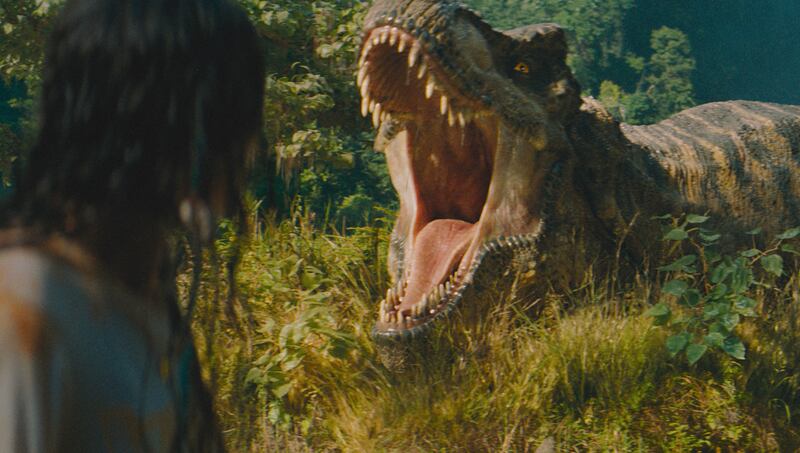

- Scientists are reviving extinct species using modern genetic engineering technology.
- Experts debate over whether de-extinction technology will harm or help existing ecosystems.
- Genetic engineering could soon be used on humans.
When the first “Jurassic Park” movie was released more than 30 years ago, resurrecting extinct animals was a matter of science fiction. Today, however, it’s much more than a myth.
De-extinction, the process of engineering organisms to replicate extinct animals, is emerging as the next frontier in genetic research. This science is “pushing the boundaries of what’s possible,” Beth Shapiro, chief science officer for Colossal Biosciences, told the Deseret News.
Colossal Biosciences has pioneered several recent strides in the de-extinction field, including hatching baby chickens from artificial eggs.
On Thursday, the company announced announced a partnership with the U.S. Fish and Wildlife Service to preserve endangered species through genetic engineering.
As this technology evolves, however, it spurs a debate: Could newly revived animals pose a threat to the already existing ones?
Will introducing ancient species wreak havoc on modern ecosystems?
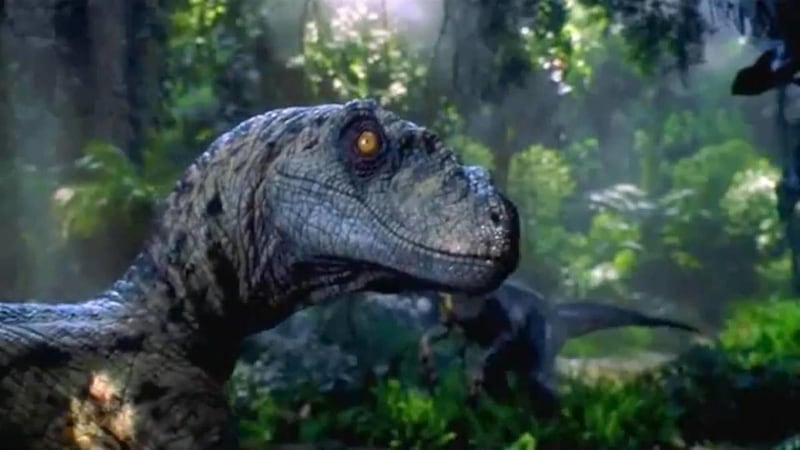
Bruno Paganeli, an ecologist for Universidade Estadual Paulista, said the introduction of non-native, invasive species is the second leading cause of the current biodiversity crisis, and some scientists worry that releasing lab-created animals into the wild will place stress on already-fragile ecosystems.
“A lot of researchers say that we are approaching a collapse,” Paganeli told the Deseret News, adding that he has spoken with more than a dozen scientists across the globe who have expressed their concern about de-extinction technology.
Shapiro said animal release is a carefully monitored process.
“It’s not like we’re just going to make these animals and go, ‘OK, there you go. Go wild.’ That would be ecologically irresponsible,” she said.
“When it comes time to release these animals, we’ll do it in a very careful and staged way,” she continued. “We would have different levels of captive breeding and monitoring for many generations.”
Speaking of generations, Paganeli said the release process “demands a lot of” them to fully understand the way these animals will impact modern ecosystems.
“In our lifetime, we might not see any problems, but it doesn’t mean that there is no problem ahead,” he said.
De-extinction and conservation: Allies or adversaries?
One of the biggest worries surrounding de-extinction is that it will take focus and funding away from conservation efforts.
If animals can be brought back from extinction, what’s the motivation to stop them from going extinct in the first place?
“(De-extinction) creates some impression for the humans that we can mess up everything and then those crazy scientists, they can recover everything and make it even better,” Paganeli said.
Proponents of de-extinction argue that de-extinction and conservation aren’t competing ventures — they’re the same.
“This is not an either-or thing,” Shapiro said. “In fact, it has to be both/and. If we develop genetically modified animals that are capable of surviving in habitats, or de-extinct species, and they don’t have any habitat to live in, then what’s the point, right?”
Colossal pairs each of their de-extinction projects with a modern conservation project. When the company announced plans to revive the dire wolf, a mammal that has been extinct for more than 10,000 years, the group also cloned three red wolves, an endangered species of wolf in North America, helping to preserve the species.
“Habitats around the world are changing faster than evolution can keep up,” Shapiro said. De-extinction, she continued, might be the best way to preserve modern ecosystems.
“Ideally, we could take a step back and give everything the amount of time and space it needs to catch up to all the changes that are happening, but it’s too late for that. If we want to be able to help (existing) species ... we need these technologies.”
Genetic engineering isn’t just about animals — humans could be next
After successfully producing a dire wolf, scientists at Colossal Biosciences are currently working on bringing back more species, including the woolly mammoth and the dodo.
Future projects, will be supported by Colossal Bioscience’s newly developed tool that can clone animals directly from a blood draw.
What’s more, the genetic engineering used for de-extinction could be implemented beyond wildlife and fauna — humans could be next.
“As we get better at understanding what we need to be able to keep a developing embryo/fetus alive and healthy, we’ll be able to apply that to humans as well,” like helping support the early health of preterm babies, Shapiro said.
Ethicists continue to debate creating life outside of normal pathways.
Paganeli suggests that as de-extinction technology evolves, it should be a multidisciplinary effort across biology, ecology, business, economics and philosophy.
“My tendency is to be against (de-extinction), but well, it’s 2026,” he said. “The future is approaching. We cannot stop it, but we can try to guide it.”
“We cannot underestimate science,” he added.