

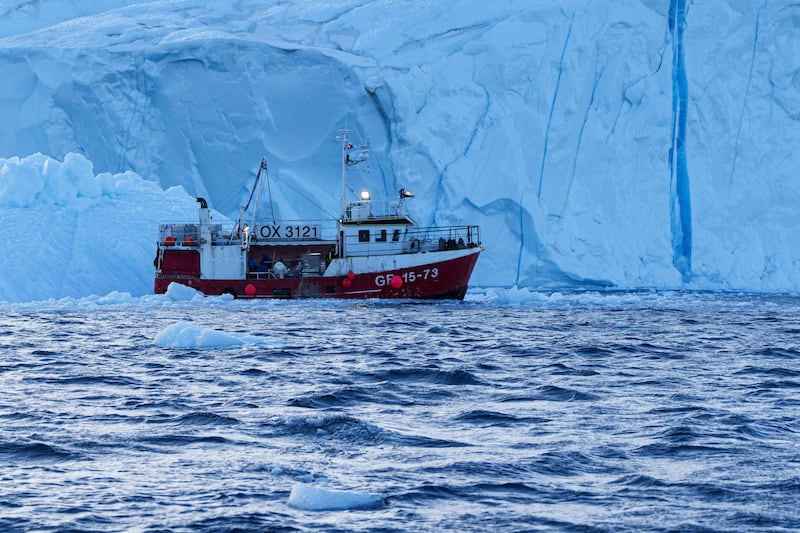
- A new deal gives the U.S. permanent military access to Greenland.
- Russia, China and other non-NATO countries are locked out.
- Utah's Hill Air Force Base oversees key programs tied to the deal.
President Donald Trump signed an agreement with Denmark and Greenland on Tuesday that will significantly expand U.S. military presence on the Arctic island, while still preserving Danish sovereignty and Greenlanders’ right to determine their own political future.
The deal comes after about eight months of formal negotiations over the future of the island. Greenland’s strategic position in the Arctic, along with its critical natural resources and minerals, has made it increasingly important as competition in the region intensifies. The agreement could also ease months of strain between the United States and its NATO allies over U.S. efforts to gain control of the island.
From icy standoff to warming partnership
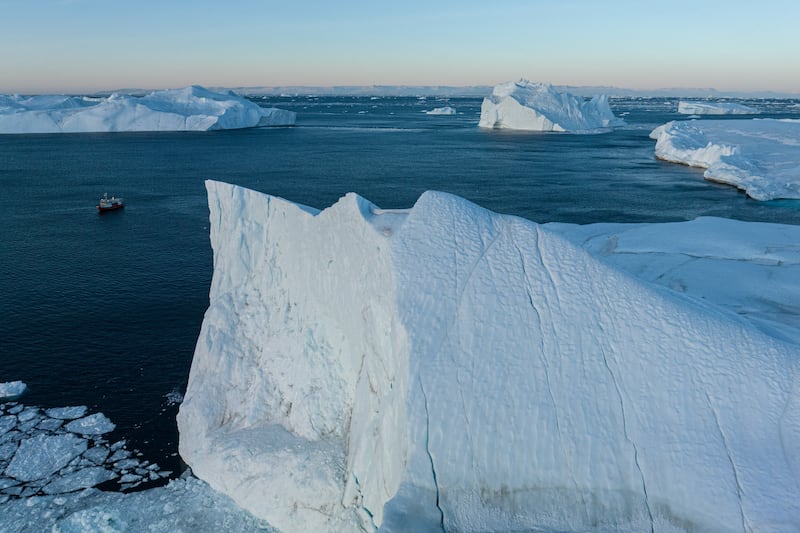
In early January 2026, an agreement seemed unlikely. Trump said the United States needed to possess “the entirety of Greenland,” whether through purchasing the island or through the use of military force, while Danish Prime Minister Mette Frederiksen warned that such action could bring an end to NATO.
But on Tuesday, nearly eight months after those initial threats gave way to formal negotiations, Trump sat down with Frederiksen and Greenland’s Prime Minister Jens-Frederik Nielsen to sign an agreement marking the most significant expansion of the U.S. military posture in the Arctic since the Cold War.
All three leaders acknowledged the mutual benefits of the agreement. At the signing ceremony, Trump called the deal “tremendous” for all parties involved, and Frederiksen said it “strengthens our common security ... and is therefore great for NATO and Europe as well.”
In an official press release, Nielsen said the agreement “recognizes Greenland’s interests ... it is to the benefit of us all.”
The terms of the deal
The full text of the agreement is nearly 10 pages long and focuses on increased U.S. military presence on the island. The U.S. will expand operations at Pituffik Space Base in northwest Greenland, which currently operates missile warning, missile defense and space surveillance systems.
Additionally, the agreement allows for the establishment of two new bases at Narsarsuaq and Mestersvig in southern and eastern Greenland, and gives the U.S. the right to build additional bases in the future.
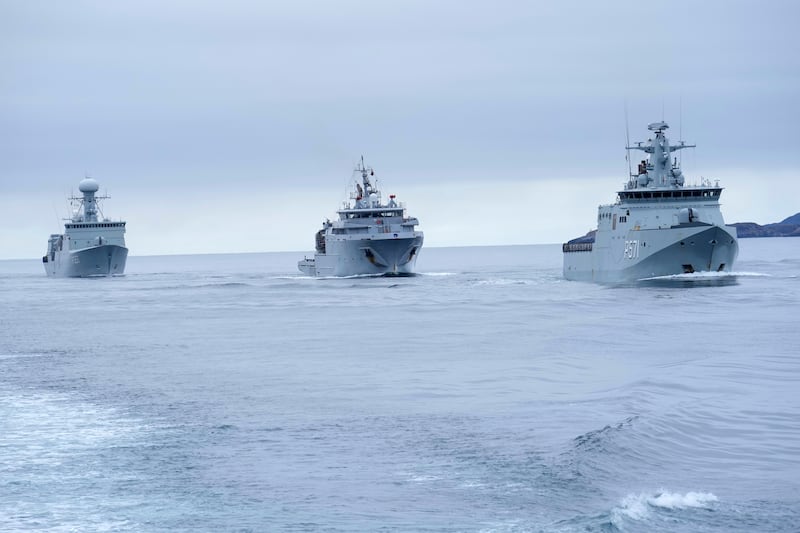
It also authorizes the establishment of the “Golden Dome” defense system in Greenland as a shield against ballistic missile threats. The shortest ballistic missile route from most parts of Europe and Asia to North America runs over the Arctic, making this defense system a key component of Trump’s national security agenda.
“Greenland will forever be part of the strategic defense area of North America and exclude any adversary from it and the surrounding area,” Secretary of State Marco Rubio wrote on X.
The agreement excludes non-NATO countries from establishing military installations in Greenland and surrounding areas, and bars non-NATO actors from making sensitive investments in Greenland without written approval.
Notably, the new agreement does not have an end date. This means that it will remain in place regardless of whether or not Greenland eventually becomes independent from Denmark.
NATO Secretary-General Mark Rutte praised the deal online, saying that, “greater security in the Arctic and North Atlantic is essential for Europe and North America alike. This agreement ... enhances our collective security and supports a safer and more stable future for us all.”
Greenland’s enduring strategic importance
Trump is not the first U.S. president to pursue the island for its strategic value. In 1946, the Truman administration offered to buy Greenland for $100 million in gold after depending on the island to counter German U-boats during World War II. Denmark ultimately turned the offer down.
Since then, Greenland has housed thousands of American troops and maintained roughly 15 military installations during the height of the Cold War. Today, Greenland continues to provide a forward-positioned shield against ballistic missiles launched over the North Pole.
Greenland also contains 25 of the EU’s 34 critical raw materials and has the world’s third-largest known land deposit of rare earth elements, including extensive stores of gallium, which is essential to semiconductor production. As the ice cap melts, new shipping routes are opening and mineral reserves are becoming more accessible, increasing Greenland’s strategic importance as the United States and its allies seek to limit the influence of foreign adversaries in the region.
What an Arctic deal could mean for Utah
Despite being thousands of miles from the Arctic, Utah has a direct connection to the Greenland agreement. The deal signed Tuesday authorizes the U.S. to build the “Golden Dome” missile defense system in Greenland, which is designed to intercept enemy missiles fired over the North Pole toward the United States.
Hill Air Force Base in northern Utah is home to the ICBM Systems Directorate, which oversees the Sentinel program, the military’s effort to replace its aging fleet of nuclear-armed intercontinental ballistic missiles.
The two programs are complementary. Golden Dome is designed to stop incoming missiles; Sentinel is the next generation of America’s missile system. Both are central pieces of the country’s nuclear defense strategy, and Hill AFB is where much of that work is managed.
In July, Northrop Grumman, Utah’s largest aerospace and defense employer, broke ground on a new facility next to Hill AFB to speed up Sentinel development, an investment expected to create hundreds of jobs. As the U.S. expands its military footprint in Greenland, the defense dollars, engineering work and operational support tied to that buildup will likely flow through the same network of bases and contractors that already call northern Utah home.
“We are proud to partner with Northrop Grumman as it advances aerospace innovation, strengthens advanced manufacturing, and creates high-quality jobs across Utah,” Gov. Spencer Cox said at the announcement. “Together, we are ensuring Utah remains a leader in the technologies and capabilities that support our national defense.”