

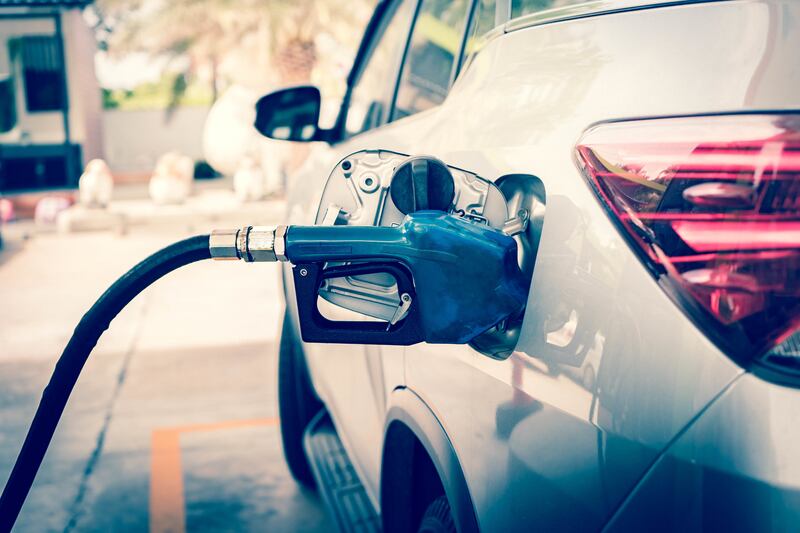

SALT LAKE CITY — The cost of filling up your gas tank in the month of July fell to its lowest level during that time period in five years, a new report shows.
The Zions Bank Wasatch Front Consumer Price Index was essentially unchanged from June to July. The local index grew 2.6% year over year, while the national consumer price index rose 1.8% since July 2018.
The main reason for the overall price decline was falling gasoline prices, explained one local economic analyst. Cicero Group principal Chad Berbert said fuel prices applied downward pressure on overall consumer prices along the Wasatch Front.
“As the prices come down, it’s generally helpful for Utah consumers,” he said. “Not only are they paying less for gas, it also can affect goods prices because of transportation costs, which affects what it costs to get things to market.”
The cost of gasoline fell about 20 cents a gallon from June to July, resulting in a nearly 3% drop in transportation prices, the report stated. It was the largest month-to-month decline in transportation prices in the month of July since 2014.
Overall, transportation prices have fallen 3.6% since July of last year — the continuation of a downward trend that has lasted for three straight months.
Meanwhile, the rising cost of housing along the Wasatch Front continues to put upward pressure on overall consumer prices, Berbert said.
“We’re still a little higher than the nation when it comes to consumer price increases year over year,” he said. “A lot of that is driven primarily by housing prices.”
The cost of housing rose 1% in July on a non-seasonally adjusted basis — the largest month-to-month increase since July 2018, he said.
The cost of lodging at hotels and motels also jumped sharply, which is common in July, the report stated. In addition, rental rates for apartment units increased for the fifth straight month contributing to the 5.2% rise in overall housing costs since July of last year, the report stated.
“It’s nice to have gas prices coming down to help mitigate the effect of (increasing housing costs) for the local consumer,” Berbert said.
Meanwhile, the 2.6% 12-month overall price growth is the lowest experienced along the Wasatch Front since March 2018, though still slightly above the national target inflation rate of 2%, he said. That relatively modest growth is largely a result of the 12-month drop in transportation prices and relatively mild growth in other economic sectors, he added.
“It’s a little bit above the national (price growth rate) but it’s not terribly outside of the range of (the target) for national rates,” he said. “It’s a healthy level, not an unhealthy level.”
The rate of housing price increases has begun “to temper a bit” and is slowing, he noted, which could be a positive sign that prices will moderate thereby increasing affordability for prospective homebuyers.
For the time being, Berbert said consumer prices are expected to remain relatively stable heading into the holiday shopping season.
“Food prices tend to go up in the wintertime (and) we may see some education price jumps in the winter into 2020 as schools typically raise prices in the New Year,” he said.
Looking ahead, the U.S. Energy Information Administration expects that gasoline prices will drop about 10 cents to $2.64 in September.
“The price dip in gasoline is a good sign for Utah consumers, who feel the change in prices at the pump very quickly,” said Randy Shumway, chairman and partner at Cicero Group. “In addition, declining transportation prices typically help push overall price levels down as the cost of getting goods to market decreases. This will likely have further positive effects on the economic outlook.”