

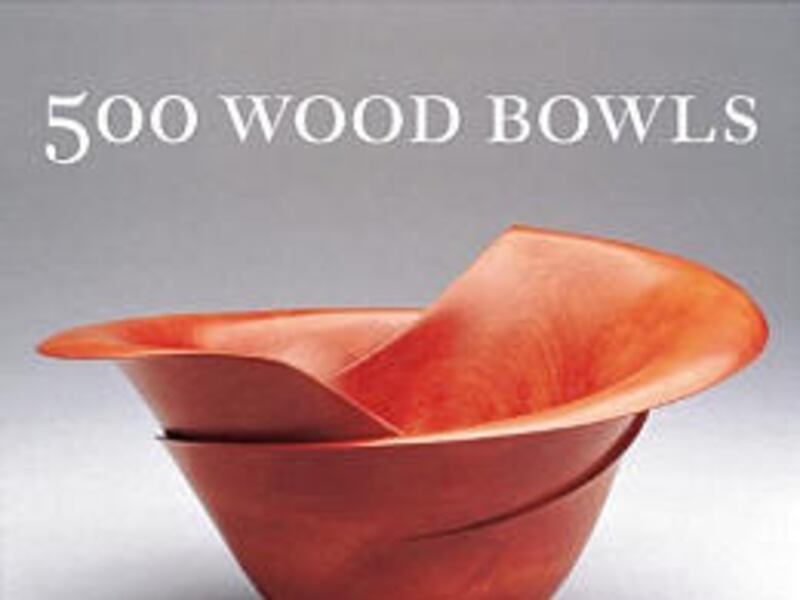
500 WOOD BOWLS: BOLD & ORIGINAL DESIGNS BLENDING TRADITION & INNOVATION, Lark Books, $24.95, 420 pp. all in color.
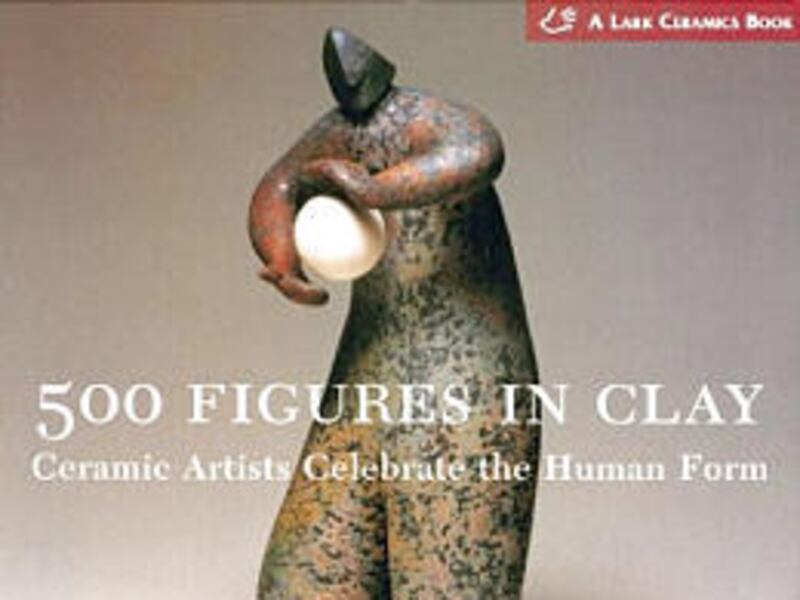
500 FIGURES IN CLAY: CERAMIC ARTISTS CELEBRATE THE HUMAN FORM, Lark Books, $24.95, 408 pp. all in color.
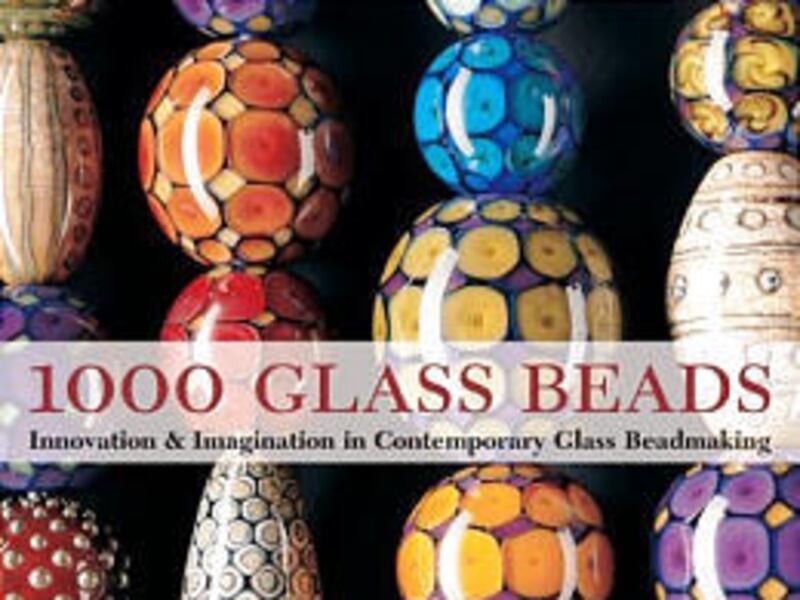
1000 GLASS BEADS: INNOVATION & IMAGINATION IN CONTEMPORARY GLASS BEADMAKING, Lark Books, $24.95, 408 pp. all in color
Images cataloging the artisans' work in these three books can only be described as visually stunning — a testimony to the requisite imagination and craftsmanship necessary to produce such works of art.
In "500 Wood Bowls," readers receive a singular re-education on a commodity common to virtually every culture on the planet: the bowl.
Historically the bowl's function has ranged from utilitarian to extravagantly ceremonial. However, over the past few decades, the wood bowl has been reinvented "and is today," according to the book's introduction, "approached by artists and craftspeople all over the world as both iconic form and point of departure for self-expression."
Wood is forgiving, malleable and adapts to an extraordinary range of working-tool techniques. The artisans in "500 Wood Bowls" employ chisel, chain saw, router, lathe, band saw, sand blaster and more to create their works. Some utilize paint and other mixed-media approaches, while others let the wood speak for itself and simply sand and seal it as is.
Manipulating such woods as eucalyptus, ambrosia maple, koa, Makassar ebony and cocobolo, the artists include inlays of gold, silver, copper and more. Even plywood is used with exquisite results.
"500 Wood Bowls" gives readers a substantial sample of what woodcraft artisans from all around the world are producing today, even in Springville. Look for bowls created by Kip Christensen (pp. 63, 171 and 175), Graeme Priddle (pp. 171) and Preston Christensen (pp. 175).
"500 Figures in Clay" presents a pastiche of some of the best figurative studies found in ceramics today, created by more than 250 contemporary ceramists from around the world. Readers will behold a multitude of artistic styles, from realistic to abstract, representational to surreal, and starkly minimalist to flamboyantly narrative.
The book is broken down into thematic chapters: Head & Busts, Torsos, Body Details, Figurines & Statues, Couples & Multiples, Caricature, Metamorphosis and Two-Dimensional Works.
Many of the pieces in the book will truthfully titillate and provoke readers, and the work is not often pretty or pleasant to look at. However, if readers can get past the occasional shock (often of a sexual nature), they will be rewarded with many remarkable figures that explore political and moral viewpoints from today's world.
"500 Figures in Clay" includes pieces by two Salt Lake City ceramists. Work by Von Allen can be seen on pages 113 and 116. Pieces by Maryann Webster are on pages 130, 155 and 388.
"1000 Glass Beads" presents readers with a miscellany of the best of contemporary glass-bead design from the most exciting artists working in the field today. Individual expression, diversity and experimentation are the key subjects in this book.
Beads have been around for a very long time; some claim they date back some 40,000 years. They were made of animal bones and teeth. But glass beads began to appear around 4,000 years ago and were considered so valuable they have been used as currency.
Glass beads can be transparent or opaque, shiny or dull, multicolored or colorless. In the introduction to "1000 Glass Beads," readers will learn by what process beads are made today and why many artists are obsessed and passionate about creating these whimsical, scintillating bobbles that are both fine art and functional.
Included in the book is work by Dan Barney from Orem. Look for Barney's beads on page 238.
E-mail: gag@desnews.com