


Grief is real.
The grief that comes with the loss of a loved one can make you feel lost and alone.
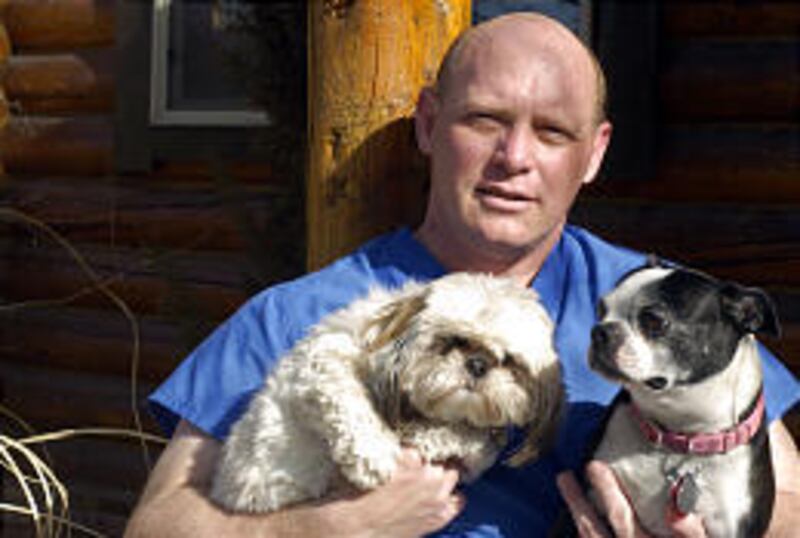
And that's true, says veterinarian Alan Cunningham, whether the loved one you lost is a person or a pet.
But often, he says, society doesn't recognize that. "Unfortunately, this unique grief — called disenfranchised grief because others don't understand and appreciate it — is often met with phrases such as 'get over it — it's just an animal' or 'you can get another animal to replace it.' But you can't."
That's what many non-pet owners don't understand, he says. "They don't understand the very real grief associated with the loss of a pet. Nor do they realize that the unique relationship of the animal cannot be replaced with another pet."
Yes, pet owners can, and after awhile maybe will, get another animal. But that animal will create its own place in their hearts and lives.
In the meantime, they must deal with very real grief. But often pet owners feel alone and isolated because other people don't accept their grief.
For that reason, Cunningham has started a hotline that grieving pet owners can call. Working with the Utah State Veterinary Technicians Association, Cunningham, who is himself a certified grief counselor, is training students to provide help to hotline callers.
The numbers to call are 801-752-2640 or 801-571-8052.
Often, he says, people just want to talk. They want someone to validate their feelings, to help them understand that their grief is not crazy or abnormal. "Listen, listen, listen. That's the most important thing we can do. But we can also help them find help and support beyond us if they need it."
In extreme cases, he says, pet owners have become deeply depressed, even suicidal. And those people may need professional help beyond the scope of the hotline. But for many people, talking about their loss can help with closure.
He offers other suggestions that can help. For example, he says, writing about your pet can be helpful. Even printing an obituary can bring comfort. "Newspapers are now offering a pet memorial feature, but a lot of people still don't know about it."
Writing about pets, in fact, is one reason this whole thing got started, says Cunningham.
He had a special dog named Pug that he had given to his ailing father. After his father's death, the Boston terrier lived with Cunningham.
When Pug developed health problems and died about a year and a half ago, "it was like losing my father all over again." Cunningham ended up writing a book about it, and so many people responded that he published another book compiling their stories. And that one has generated so much interest, he's working on a third. ("Sleeping With Angels: A Veterinarian's Sacred Bond of Animal Companionship," $15.95 and "On Angels Wings: Personal Stories About the Passing Away of Beloved Animal Companions," $19.95, are available through Amazon.com)
He's also written a children's book that he hopes to put in libraries throughout the state to help young people deal with pet loss.
"For young people, the death of a pet is often their first experience with death. Sometimes, a pet is their first — or only — friend." Especially children under ages 5 to 7 have a hard time understanding the permanency of death, he says. "Death of a pet must be approached frankly, honestly and in terms the children can understand." Misleading analogies or phrases can be troubling. If you say the animal is asleep or has gone away, the children may be afraid to go to sleep or may try to go search for the animal wherever it has gone.
People who are most as risk for difficulty in dealing with pet loss are often those who are single or without extended family or friends and may view the animals as their only real friend or companion, says Cunningham. "They often identify the animal as their soulmate or lifesaver."
Learning to deal with grief is not something that is typically taught at veterinary schools. It is something the field is just starting to recognize, says Cunningham, who has worked as a veterinarian for 13 years.
A resident of American Fork, he is one of 20 veterinarians worldwide selected to participate in a Medical Curriculum for Professionals Program, leading to a doctor of medicine degree at the University of Health Sciences Antigua, a program, he says, that recognizes the significant bond between human and veterinary medicine and emphasizes training doctors toward strengthening that relationship. Eventually, he would like to treat both people and animals in underdeveloped countries.
Another "pet project" has been a campaign to recognize the contributions of dogs serving in the armed forces. More than 4,000 dogs served in Vietnam, he says, "and less than 200 came home. At the end of the war, they were considered equipment and were left behind or were euthanized."
Cunningham is lobbying for a commemorative postage stamp and a national memorial to these and other dogs that have served in time of war. "At least 10 percent more people would have died without the work of the dogs."
People grieve in different ways, he says. But they need to know that grief is "normal, essential, unique and private. No one else can say they know how you feel. But for most people it helps to share your feelings with other empathetic listeners. Sharing these emotions tends to validate your feelings and gives you strength to move forward."
And even though you can't replace the pet you lose, he says, "in time you may be able to open your heart to love another, to realize that you honor the memory of your old pet by loving a new one."
Coping skills
Dr. Alan Cunningham offers some tips on coping with the loss of a companion animal:
Give yourself permission to grieve.
Take time to heal.
Know that guilt often accompanies grief.
Find a special way to say goodbye. Write a letter to your animal companion or display a photo or drawing.
Memorialize your animal companion. Assemble a scrapbook, plant a tree or flower or donate money in his or her name to a charity for animals.
Find other people to talk with candidly about your grief.
Be good to yourself. Grief drains energy. Get adequate rest, eat healthfully, exercise, meditate.
Do at least one thing each day that brings you joy.
Allow yourself to laugh.
Submit an obituary in tribute to your animals. If your newspaper doesn't offer this service, encourage it to start a pet remembrance section.
E-mail: carma@desnews.com