

Gray winter days are hard on interior plants. Plants need light to manufacture the food they need to grow and survive. So all plant growth and the length of time they remain in active growth depend on the light they receive.
It is time to consider the three Q's of houseplant lighting — quantity of light available; quality of light; and quantity of time or duration.
The best way to successfully grow interior plants is to match the plant with the available light. There is no substitute for light, so if these guidelines are ignored, interior plant will never thrive.
Plants are segregated into categories based on their light requirement and intensity as expressed in foot-candles (ft-c). One foot-candle is defined as the light produced by a single candle's flame measured at a distance of one foot. This archaic measurement is a little difficult to understand, but the amounts translate into these guidelines:
Sunny (more than 1,000 ft-c): Areas receiving at least 5 hours of direct sunlight in winter or a window facing southeast, south or southwest.
Semi-sunny (500 ft-c to 1,000 ft-c): Places receiving 2-5 hours of direct sunlight per day in winter or a window facing east or west.
Semi-shady (150 ft-c to 500 ft-c): Areas having bright, open light, but little or no direct sunlight. Such areas include obstructed windows facing east or west.
Shady (less than 150 ft-c): These areas receive no direct sunlight, but get enough light to cast a shadow and include areas such as north-facing windows.
South-facing windows get the most-intense light, while east- and west-facing exposures receive about 60 percent of the intensity of southern exposures. Northern exposures receive 20 percent of a southern exposure. Because light produces radiant energy, a southern exposure is the warmest, eastern and western are intermediate and a northern exposure is the coolest.
In addition to the way the windows face, many other factors influence the intensity of light coming through a window. These include curtains, the kind and size of trees outside the window and the cleanliness of the window.
Other factors include the weather, the seasons of the year, shade from surrounding buildings and dust on the plant's leaves. Reflective or light-colored surfaces inside the home increase the light available to plants, while darker surfaces decrease light intensity.
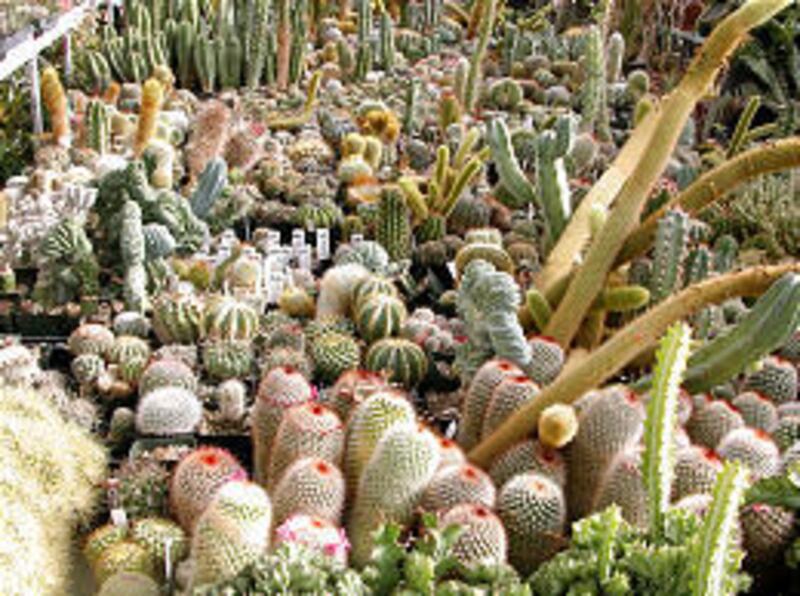
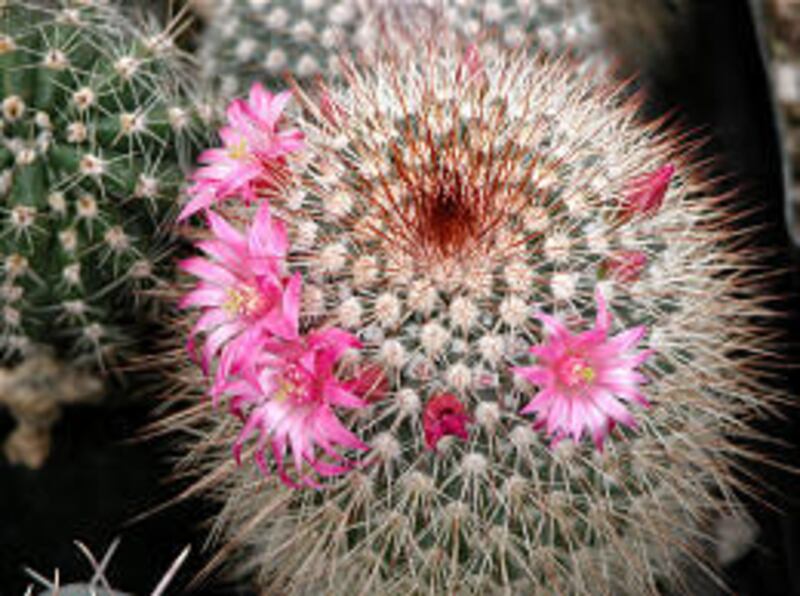
Look to the plant's native area and the match it to the available light. Desert plants, such as cacti and succulents, require very high light levels. Most tropical foliage and flowering plants do best with medium light levels, although a few will tolerate low light levels.
Light intensity directly influences the manufacturing of plant food, which directly affects stem length, leaf color and flowering. A plant growing in low-light conditions will likely be spindly and have leaves that are light green. A similar plant grown in bright light will likely be shorter but better branched with larger, dark green leaves.
Light quality is another important factor to consider. The quality of the light refers to the color of light available to the plant. Plants that grow outdoors, in greenhouses or close to windows receive natural white light. White light contains all of the colors of the rainbow but not all colors are equally beneficial in growing plants.
Leaves reflect most of the yellow and green rays of the visible spectrum. Therefore, they derive little to almost no energy to manufacture food from those colors of light. From an energy and a food-manufacturing standpoint, the rays in the blue part of the spectrum are the most important. The red part of the spectrum affects the flowering response of the plant.
The quantity of time, day length or duration is also an important factor. Some plants are sensitive to day length and only flower under short day-length conditions (11 hours of daylight or less). Day-length sensitive plants include poinsettias, kalanchoes, chrysanthemums and Christmas cactuses.
Most flowering houseplants are indifferent to day-length and will flower if the quantity and quality of light are adequate.
It is possible to partially compensate for low-light intensity by increasing the time (duration) the plant is exposed to light, as long as the plant is not sensitive to day-length in its flowering response. Increasing the number of hours of available light allows the plant to make sufficient food to survive and grow.
Excessive light is as harmful as too little light. Plants that get too much direct light can be severely damaged. The leaves turn pale and are washed out and they may sunburn, turn brown, and die. So most plants do best with some down time or a period of darkness. For most plants an illumination period or day length of no more than 16 hours is best.
Protect sensitive plants from too much light by using curtains over the windows or by moving them out of direct sun.
Master plant lighting and people will consider you a plant genius. Ignore the plant lighting and you may be branded as having a black thumb. Your plants cannot move to get the light and are at your mercy. Don't let them down!
Larry Sagers is the regional horticulturist at Utah State University Extension Service at Thanksgiving Point.