

Quarter and slice one large onion.
Place in a shallow dish and drizzle with enough honey to cover the onion.
Let mixture seep in a warming oven until a thick syrup develops.
Concocted in the kitchen and whipped up with a little TLC, this recipe may not tempt the palate, but it may stop a child's cough.
Chances are, some grandmother out there is nodding in agreement, remembering fashioning her own home remedy to ease the aches and pains that accompany childhood.
It is those little secrets and helpful hints hewn from years of mothering that fill the pages of a new book put together by a trio of grandmothers with the help of one of Utah's most experienced pediatricians.
"From Grandma to You — Childcare Wisdom for a New Generation" (Sterling/Chapelle, $12.95) will be in book stores by mid-December, just in time to land under the Christmas tree of a new mother faced with all those "firsts" that come with raising a child.
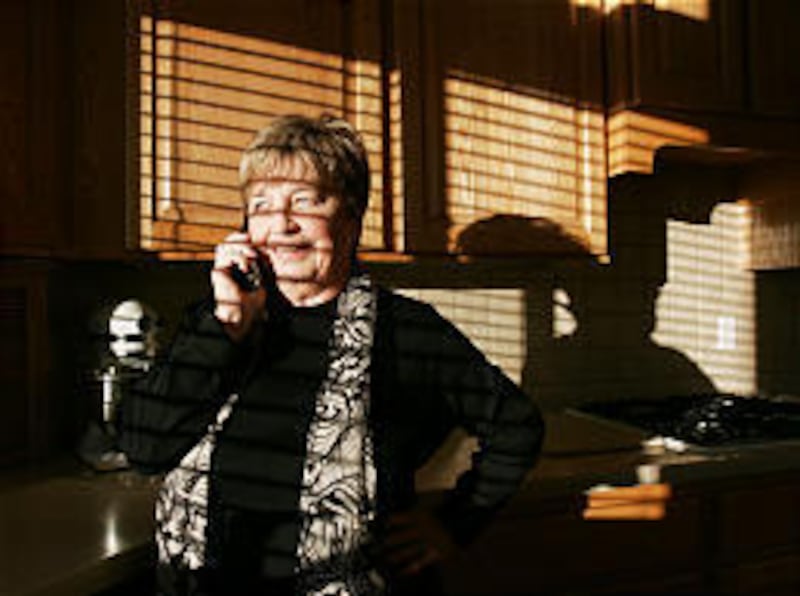
"To become a grandmother was one of the most wonderful things that happened to me," said Joan Hellstrom, a longtime professional child advocate who had a hand in crafting Utah's first Children's Justice Center in Ogden.
It also presented an unforeseen challenge as Hellstrom's out-of-state daughter would often call her, peppering her with questions and seeking advice on caring for her child.
"Heidi would call overwhelmed with the wonderment of caring for this baby. She said, 'What did you do?' And I thought, I wish I could remember. That's when she asked me why I hadn't written it down."
Thus began a project eight years ago that Hellstrom envisioned would have her compiling factoids and taking them to Kinko's to get bound in pamphlets to be distributed in baskets for friends and family.
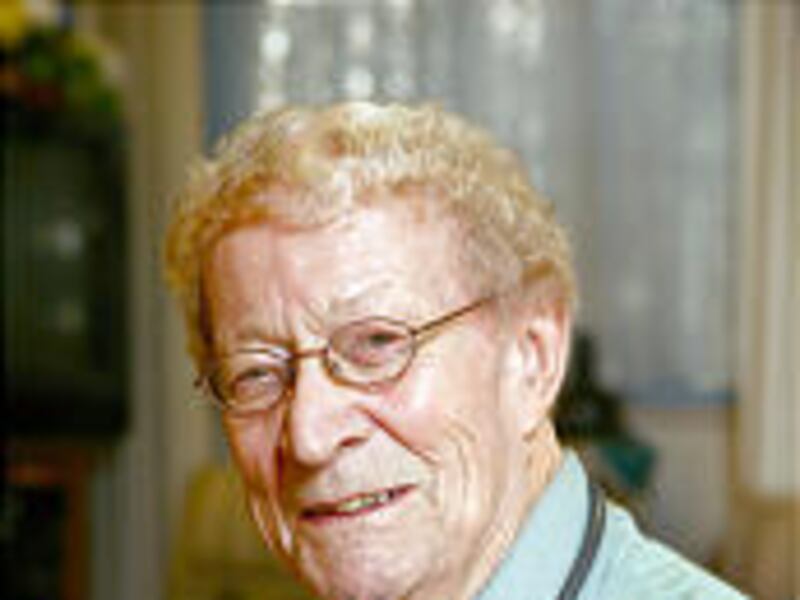
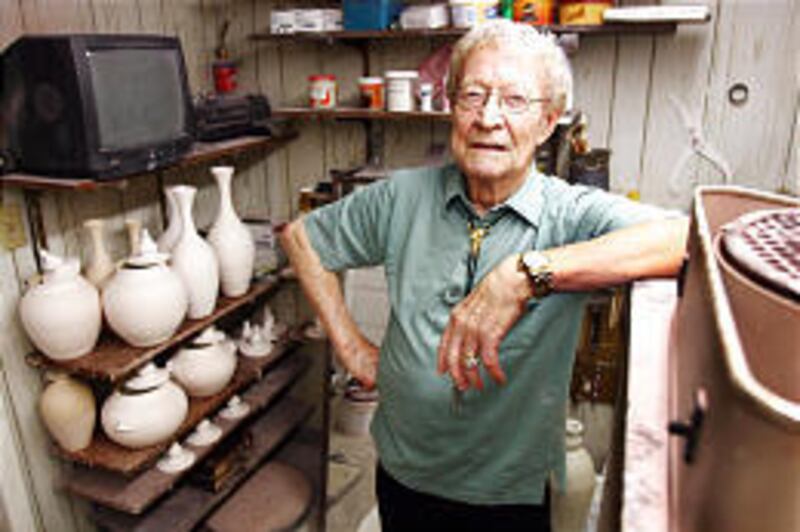
Instead, the project led her to Dr. Homer Rich, an Ogden pediatrician of more than 50 years who, by the time he retired in 1999 just shy of his 83rd birthday, had treated three generations of patients.
Known for his wit and accessibility to his patients, as well as his no-nonsense advice, Rich agreed to come on board, offering sound medical tips in each chapter.
Those chapters touch on topics such as teething, crying, sleeping and home remedies. The advice is gleaned from more than 60 grandmothers from across the world who agreed to share their own experiences of mothering.
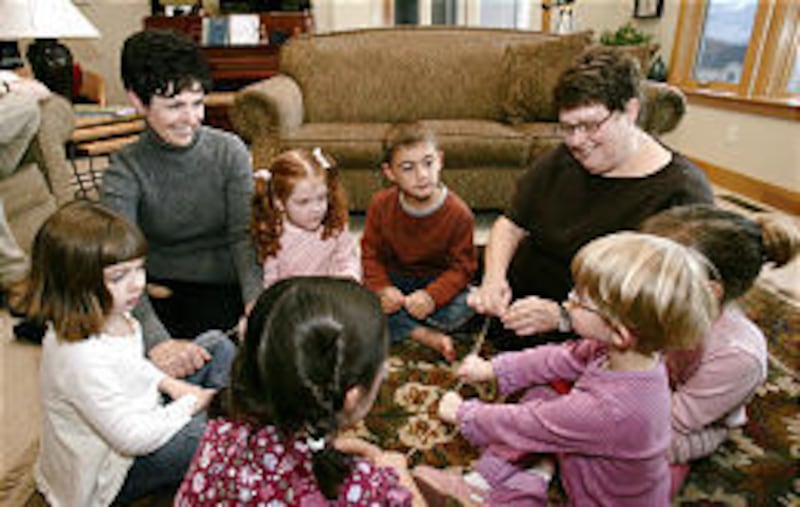
Hellstrom, and fellow contributors Susan Findlay and Connie Ray, reached out to old friends, made new ones along the way and incorporated the sage advice from a variety of women — from a Holocaust survivor who wound up in Ogden to a 94-year-old great-granddaughter of a slave. One grandmother continues to live on a reservation in the Four Corners area of Utah, while another makes her home in Milan, Italy
Some grandmothers agreed to participate after years of friendship with Hellstrom forged from her work in a child advocacy. Others, the women learned about through word-of-mouth.
Examples of the grandmothers' advice include:
"If you are an uptight mother, you probably have an uptight baby. Practice breathing deeply and remember to smile at your baby every time you look at him."
"Completely ignore the first temper tantrum and you will save yourself time and trouble."
"Present a toddler with a variety of finger foods on his high chair tray. When the food starts to fly, it usually means the child is full."
While it does include some home remedies, the book is careful to offer the tips anecdotally, with emphasis by Rich that while parents can use "down-to-earth information passed through generations to comfort" a child, the best source of medical advice comes from a doctor.
"There are all kinds of things out there," said Mark Fotheringham, vice president of communication and public relations at the Utah Medical Association. "I suspect some work just fine. I have no idea which ones do and which ones don't, but your pediatrician might."
Rich cautions mothers against panicking over such things as teething pain.
"Teething causes teeth and nothing more. Some mothers don't realize their baby has a tooth until they hear it click on the spoon. Other babies scream for two weeks before a tooth comes in. The difference lies in their threshold for pain."
Or, on thumb-sucking: "Babies get some sort of subconscious satisfaction from thumb-sucking. It doesn't hurt them, and trying to make them stop only frustrates them. If it nauseates you, then turn your head."
The book is a manageable read, incorporating uncaptioned black-and-white photos of women and their children from yesteryear, and anecdotal paragraphs that give theme-based advice.
A friend of Hellstrom's who works in publishing heard about the coffee table project, asked to see what had been compiled thus far, and two years ago, a New York publishing company agreed to set the wisdom to ink simply based on one completed chapter and the remaining chapter titles.
"I feel like Tinkerbell," Hellstrom said. "You can't imagine what an out-of-body experience it was getting that first box of books."
For his part, Rich agreed to spend hours upon hours with the women, who would often sit on the floor of his Ogden condominium, surrounded by his handmade pottery and notebooks and recorders.
The project, he said, "was an absolute joy. To think I could take more than 50 years of experience and make that worthwhile for others, drawing on advice that I gave my mothers, it was quite wonderful. It's given me the impetus to keeping smiling."
When Rich describes his years of practice and the reason for his devotion to generations of children and their mothers, his eyes light up and it's easy to tell why his following is so faithful.
"As a pediatrician, I dealt with the best people in the world — mothers and their children. I'd come home at night refreshed because I could tell with my mothers that I made a difference in their lives, and they had made a difference in mine. As a pediatrician, I became a part of people's families."
E-mail: amyjoi@desnews.com