

The replacement of Crossroads Plaza and ZCMI Center malls with City Creek Center isn't all out with the old, in with the new.
As The Church of Jesus Christ of Latter-day Saints' construction contractors tear down the downtown malls to make way for the 20-acre retail-office-residential complex, more than half of what comes down will be reused, either in City Creek or somewhere else.
"The idea is to divert away from the landfill as much as we possibly can, because the landfill is obviously a finite resource, and this effort is geared toward a more sustainable development," said Grant Thomas, director of construction services for Property Reserve Inc., the church's real-estate arm. "It takes more time and more care to do this, but it's the right thing to do."
The demolition work will knock down most of the buildings on the two blocks between South Temple and 100 South from West Temple to State Street — leaving more than 200,000 tons of concrete, marble, steel, drywall and other materials on each block.
About 55 percent of that material will find new life: Concrete, marble, stone and other masonry will be ground down and used as road base and fill material at other construction sites, and steel frames will be sold as scrap metal.
Only a handful of materials won't be reusable, including drywall and insulation.
The sorting process is mostly done by machine, and it depends on the building being demolished.
"It's really quite something to watch these operators," Thomas said. "The operators are pretty talented."
For some buildings, it's possible to tear down recyclable materials separately from non-recyclables, so the rubble ends up in already sorted piles. With other buildings, workers will have to manually sort through piles and pull out the recyclables.
The recycling will make the project costlier than if all rubble were hauled away to the dump, Thomas said. But officials have no estimates as to how much more it will cost "because we didn't really approach it from the other side."
The church always planned to recycle its waste, so that's how costs were predicted. A City Creek spokesman previously told the Deseret Morning News that the added cost for demolishing and recycling at the Inn at Temple Square was about 15 percent.
Some of the historic material pulled from the Crossroads and ZCMI blocks also will be reused.
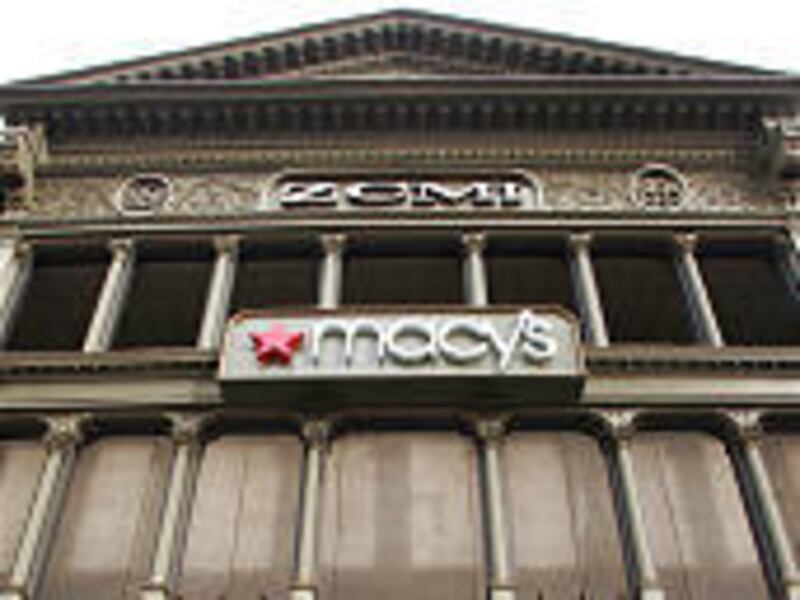
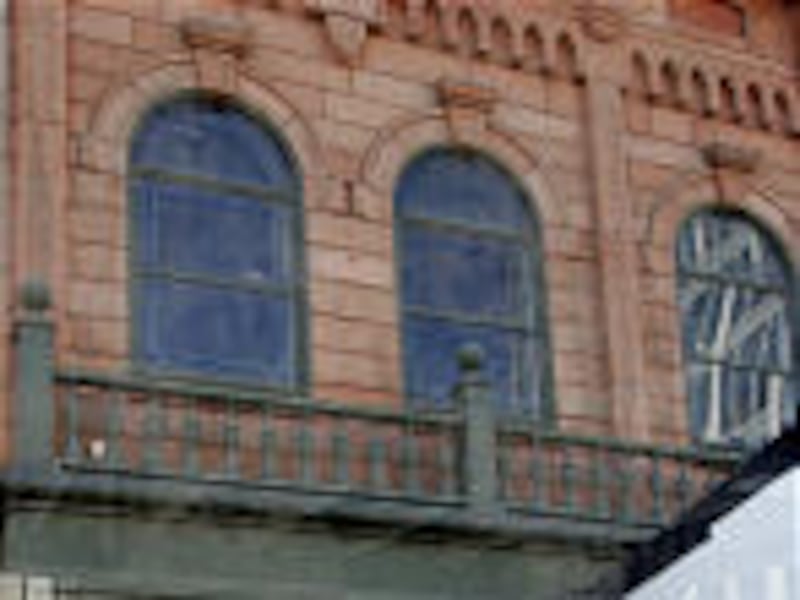
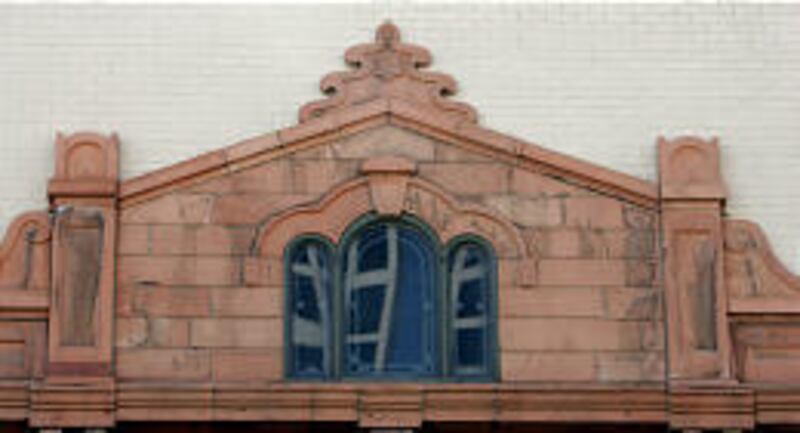
The historic facade of the original ZCMI store currently fronts Macy's, and the sandstone and wood Amussen building — the only remaining commercial building in Salt Lake that was built before the railroad came to the city — is now the base of the Key Bank building. The Amussen building, constructed in 1868, was designed by William Folsom, who was also the architect for the Salt Lake Tabernacle. Both facades will be put into storage during City Creek construction and will become part of the new development.
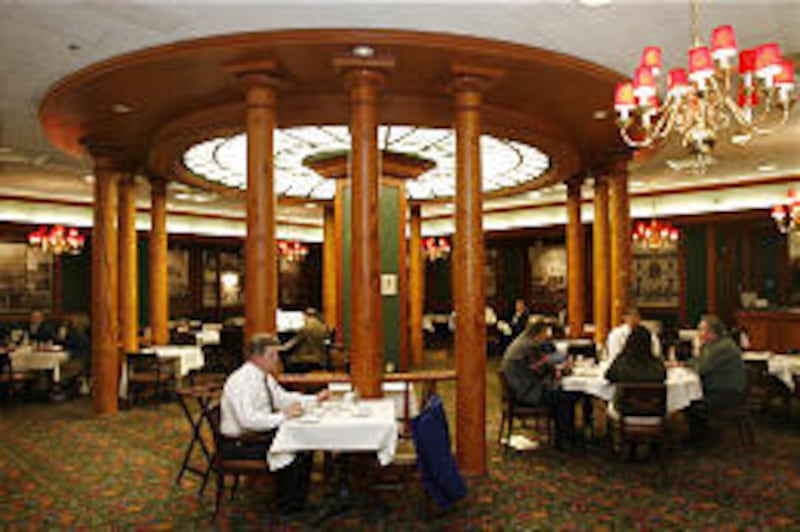
Artifacts and decor from inside ZCMI's Tiffin Room restaurant, including 12 of the original wood columns from the 1876 ZCMI store and sheets of embossed tin from the original Tiffin Room ceiling, will be saved by the church, PRI spokesman Dale Bills said. The pillars and ceiling will be used somehow, somewhere in the future, he said, although specifics haven't been decided yet.
When the Inn at Temple Square came down this past winter, PRI offered a free brick to the first 1,000 people who showed up to collect them as memories. The developer also took down some plumbing fixtures, carpets and draperies and sold them at auction.
The recycling is one of several ways the church is trying to make City Creek Center environmentally friendly. Thomas said designers also are working with Rocky Mountain Power to work out ways to make the residential units especially energy-efficient.
"We've been really pleased with the commitment of the contractors involved to do the demolition in a way that's more sustainable," Thomas said.
E-mail: dsmeath@desnews.com