

Last week's column covered starting plants from seeds, but this week's focus is starting new plants without the seeds.
Seeds are the cheapest and easiest way to propagate many plants, but some plants require a different method.
Starting plants without using seeds is called vegetative propagation. This process makes an exact duplicate of the parent plant and is also referred to as cloning. While cloning in the animal world is a very sophisticated new process, plants have been cloned for thousands of years.
There are numerous reasons why you might want to start a plant without using seeds. One obvious reason is that certain plants never produce seeds. It would be impossible to produce navel oranges or seedless grapes using seeds
Other plants have seeds that do not develop or if they do develop they are sterile and will not reproduce. Cultivated banana varieties do not produce seeds and many other fruits and flowers such as Mutsu apples and "mule" marigolds have sterile seeds that do not grow.
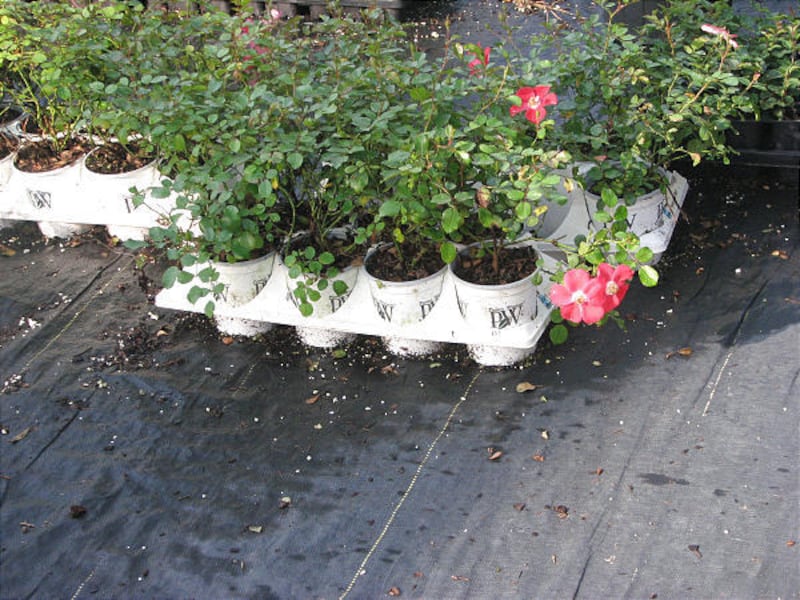
Other plants produce their own clones. Strawberries produce runners or the mother plant replicates itself so you can dig and divide it. Raspberries produce an abundance of new shoots for your patch or to transplant elsewhere.
Your bulbs divide naturally or produce new bulblets at the base and iris, cannas and many other plants that have rhizomes produce new plants on their own.
Another reason to clone plants is to select the exact varieties you want.
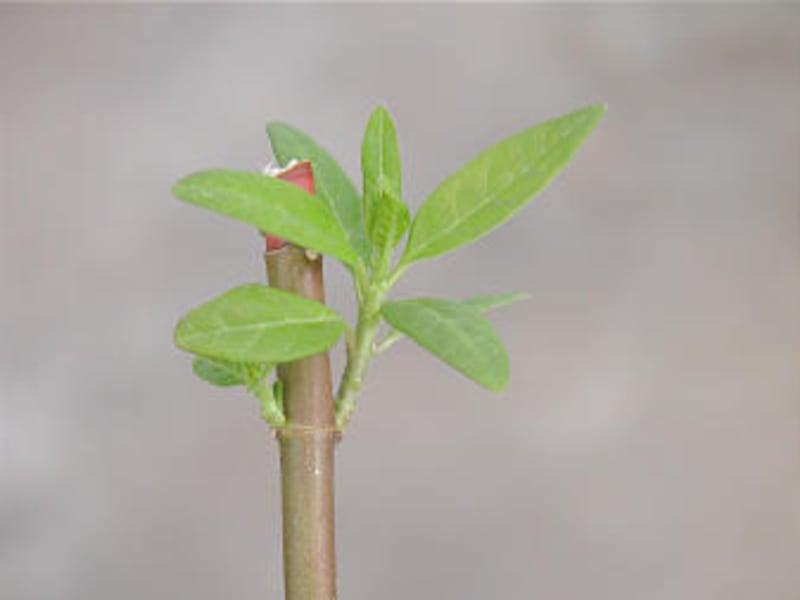
For example, if you saved the seeds from one of your red delicious apples and planted them, you would get an apple but it would not be the same as the parent. Because we want to know what crop we are going to get, fruit trees are cloned by budding or grafting.
Taking cuttings and rooting them is a simple way to start many different plants. The process is easy and you can be successful with relatively simple equipment.
Cuttings need the same things that the plants need to grow — light, proper temperature and moisture. If you supply these needs, many plants will root easily.
There are two different kinds of cuttings. Softwood cuttings are the newest growth on the plant and have no woody tissue. They are the preferred cuttings for most interior plants, annual flowers and many herbaceous perennials.
There is no softwood tissue for cuttings on plants growing outside in Utah right now. You can get these cuttings when the new growth appears in the spring. If you root a stem from a pelargonium (garden geranium), it is a softwood cutting.
Hardwood cuttings are taken from the woody stems of plants. Many trees and shrubs are propagated using these methods. Willows, cottonwoods, privet and grapes are just a few of the plants that are commonly reproduced this way.
Regardless of the method you choose, it is critical to include one or more buds with the cutting. It is usually the stem tissue that has the buds. Buds are the part of the plant that are going to grow so without them, the reproductive process is stymied.
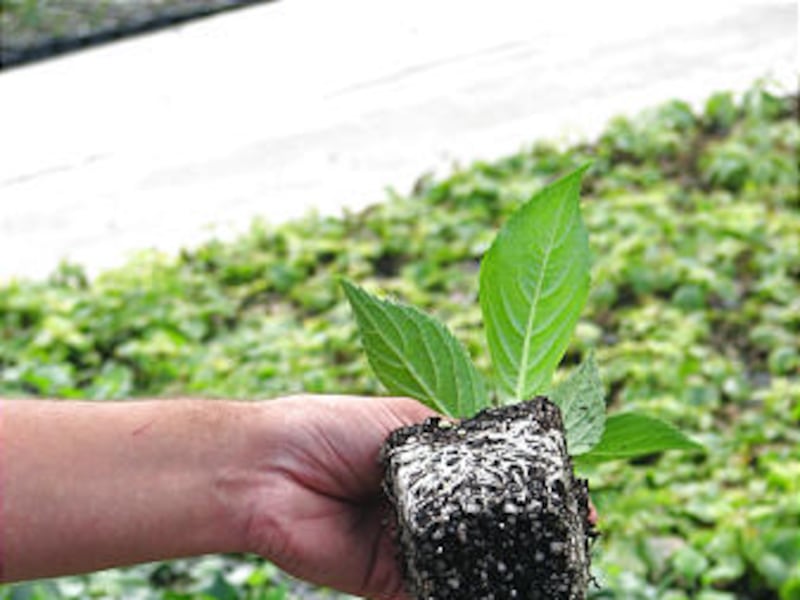
To root a softwood cutting, simply cut off the end or another section of the stem that has one or more buds. Remove the lower leaves and put it in a growing medium. It is better to root the cuttings in a growth medium rather than water because the roots developed in the two mediums are physiologically different.
To root the plants, use washed sand, vermiculite, perlite or another disease-free medium. Garden soil has many fungal diseases that can destroy the cuttings before they have a chance to root so it must be pasteurized if you intend to use it.
Some cuttings root very easily but better success is obtained with more difficult-to-root species if you treat them with a rooting compound.
These contain various hormones that promote root formation. They can be purchased from local garden stores under various brand names including Rootone, Hormidin and Dip'N Grow. Read and follow the recommendations on the product.
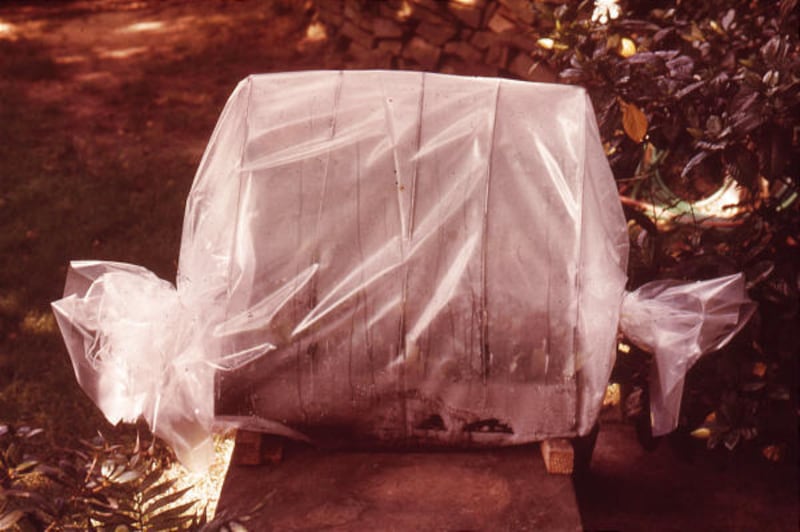
Keeping the humidity high is also critical. If a cutting wilts, it cannot root. Make yourself a propagation chamber out of an old aquarium, a plastic box or even a flower pot inside a clear plastic bag. Almost anything will do, but you must have light and keep in the moisture.
Plants root faster if you can provide bottom heat. Use a propagation mat like was mentioned in last week's article or use a heat cable or something else to get the soil temperature to 80 degrees. That will make the roots appear more quickly and also allow the plant to start growing more quickly.
Avid gardeners can never have soil that is too good, they cannot have tomatoes that are too tasty and they can never have too many plants. Have fun and start some new plants for your own garden or some to share with friends.
It's like doing high technology cloning right in your own backyard.
Larry A. Sagers is a horticulture specialist for the Utah State University Extension Service at Thanksgiving Point.