

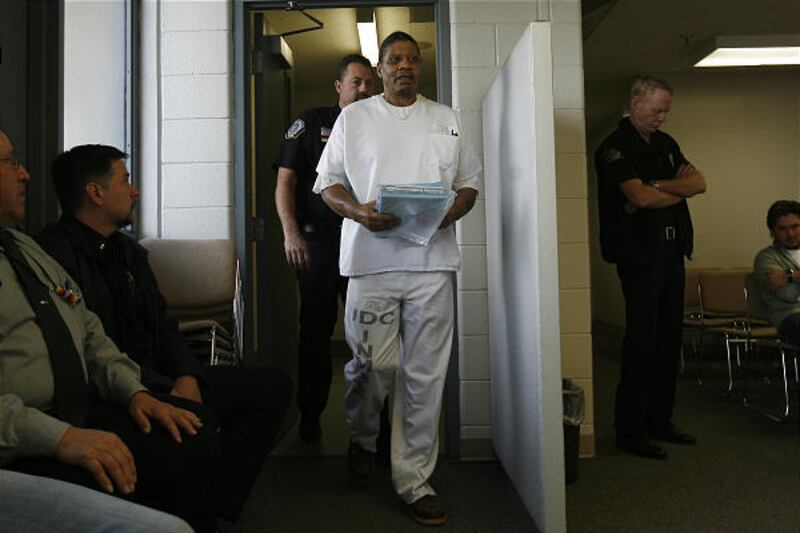
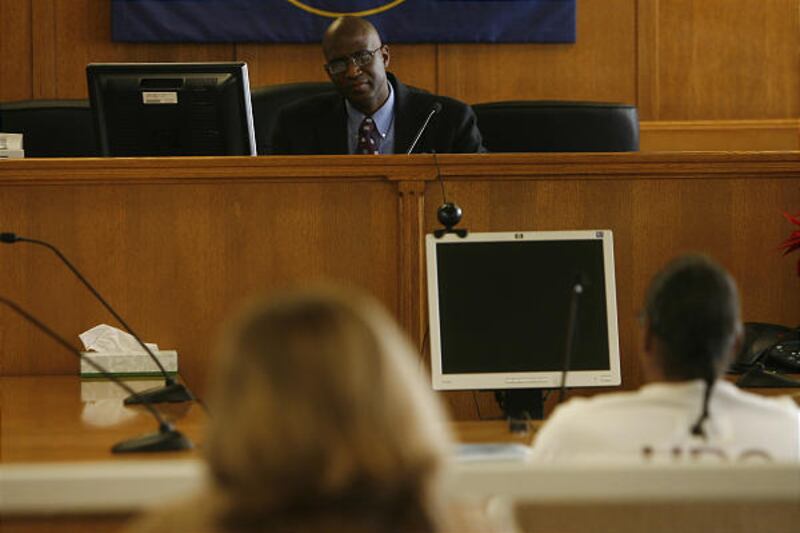
UTAH STATE PRISON — Once-condemned killer Elroy Tillman is now offering a new version of events that led to the death of Mark Schoenfeld, stopping short of saying he killed him.
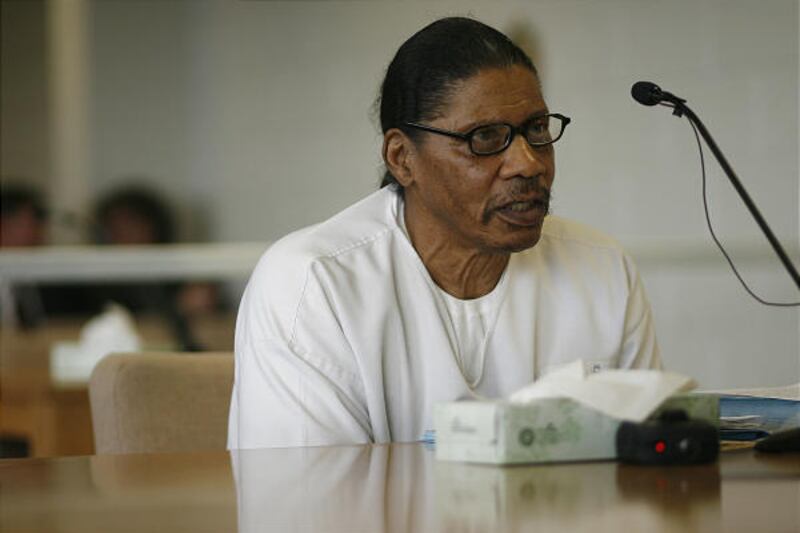
"I set up everything," Tillman said Tuesday during his first parole hearing since being taken off death row.
The 74-year-old inmate's death sentence was vacated in 2005 because of evidence that prosecutors had misplaced and surfaced only weeks before his scheduled execution in 2001. The Utah Supreme Court overturned Tillman's death sentence but not his conviction on criminal homicide in the first-degree.
At his parole hearing on Tuesday, Tillman disputed the prosecution's theory that he killed Schoenfeld, 28, back in 1982 in a jealous rage because the victim was dating Tillman's former girlfriend. Instead, he said he believed a pair of stereo speakers stuffed with kilos of cocaine somehow wound up in Schoenfeld's house. He sent his brother and a friend into the home, while he acted as the lookout.
Did you send anybody in there to kill Mr. Schoenfeld?" Utah Board of Pardons and Parole member Keith Hamilton asked him.
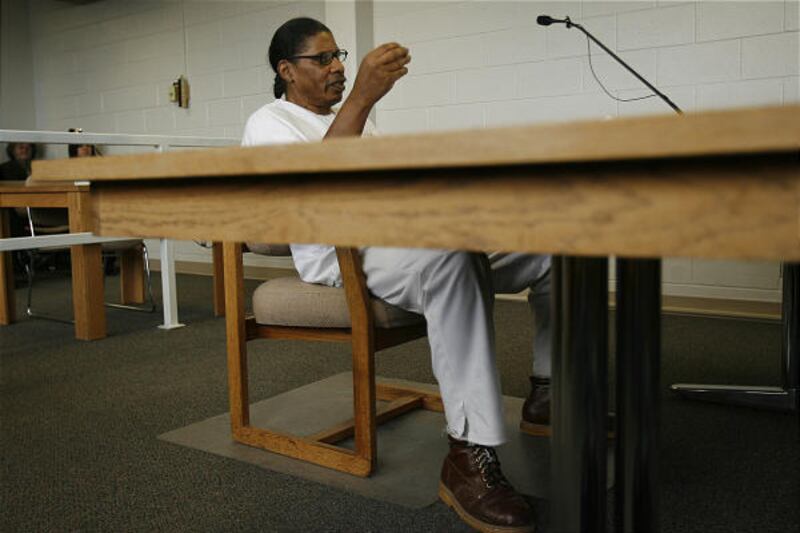
"I sent them in to get the merchandise. I didn't think there would be any killing," Tillman replied, his arms folded as he sat in a chair facing Hamilton. "I don't know who killed him."
Under questioning, Tillman did say that his brother later said he had hit Schoenfeld. Prosecutors said Tillman sneaked into Schoenfeld's home, waited until he fell asleep, beat him to death with an ax and then set his bed on fire — possibly while Schoenfeld was still alive.
Hamilton was perplexed at why Tillman was willing to sit on death row if his brother was allegedly the real killer.
"He was going to let you die?""Yeah," Tillman said.
"And you were OK with it?""Yeah."
Tillman said his brother was killed in 1993. Speaking to the parole board, Schoenfeld's former girlfriend, Laurie Groneman, said "none of what he said reflects the truth."
At times on the verge of tears and shaking, she recounted her life with Tillman. Groneman said she ran away from home at 17 and hooked up with Tillman, who she claimed stalked her for years and made her his "prey." Groneman said the story about the drugs was made up. She said she lived in fear and when she tried to go to police, they said they couldn't do anything until a crime had been committed.
"If he gets out, he isn't done," she said. "He'll never be done, not ever! He can tell people 'til hell freezes over. If he is released, he is not done killing people!"
Groneman fled the room after she testified. Tillman was stone-faced, saying he never laid a hand on her.
"She's putting on a good performance here today," he said.
A letter from the Schoenfeld family said "time has not healed this wound, nor eased the pain that has not gone away."
"I feel bad for the Schoenfeld family," Tillman said in response. "But I also feel bad for my family and what they suffered, too."
Tillman said if he were to be paroled, he'd move to California and get a job and spend time with his children and grandchildren. As he wrapped up the 2 1/2 hour hearing, Hamilton said what he originally thought was an admission didn't amount to much.
"I sent 'em in to get my stuff," Tillman said.
"In other words, kill him," Hamilton pressed, to which Tillman replied: "Whatever means necessary."
The parole board could either terminate Tillman's sentence, order another hearing or require him to spend his natural life in prison. Even if he were to be released, federal authorities have filed papers seeking to take custody of Tillman.
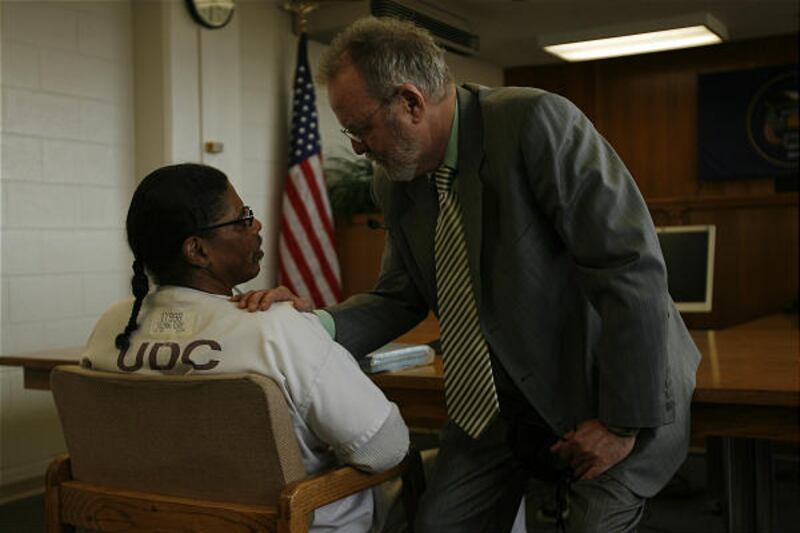
As the hearing ended, Tillman called up his longtime attorney, Loni DeLand, who spent more than 20 years fighting to keep his client from the gallows.
"I think he's scared," DeLand told reporters afterward. "He's very genuine when he says he wants to live a quiet life."
Asked if Tillman's version of events is true, he wouldn't talk about it, saying it was "privileged communication."
E-MAIL: bwinslow@desnews.com