




Earlier this spring, I received an interesting packet of seeds from Renee's Garden (www.reneesgarden.com), called a Native American Three Sister Garden.
I have long admired the great contribution that the Three Sisters of corn, squash and beans have made to my table.
The Three Sisters concept is an intercropping system in which the three vegetables are planted simultaneously on a rounded mound of soil called a hill.
These three vegetables — and many others — were unknown to Europeans before the time of Columbus. Their vegetable diet lacked these three, plus tomatoes, peppers, potatoes and sweet potatoes. It makes me wonder how the Italians made pizza!
With that in mind, I will discuss these three great vegetables in a series of articles during the next few weeks.
I have grown them all for many years, sometimes separately, sometimes together, but I have always been rewarded with tasty eating.
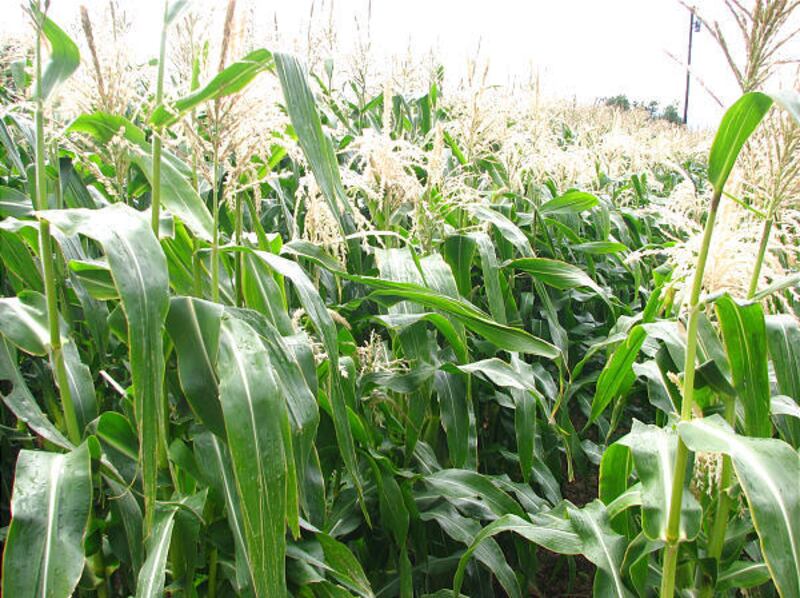
Corn is the oldest sister. She stands tall in the center, if you're using the Three Sisters gardening concept.
The corn that Native Americans grew was a far cry from the sweet corn we now grow. The hard, colored kernel corn they grew withstood the harsh conditions and was able to thrive without regular irrigation or fertilization.
Corn is a popular garden vegetable, but many people had difficulty growing it last season. Here are some growing tips to help you have a successful crop this year.
Plant the seed in well-drained, fertile soil. Add 2 to 4 inches of organic matter, and add one or two pounds of 16-16-8 fertilizer per 100 square feet of garden.
Check the soil and air temperatures. Corn is a warm-season crop, so make certain the soil temperature is at least 60 degrees Fahrenheit. Typically, this is about when the apples bloom in your area. Many growers use seed that is treated with a fungicide to prevent rotting in cold, wet soil.
The newer super-sweet corn types require even warmer soil temperatures. One very common complaint last year was poor germination because of our cold, rainy spring.
Because each stalk of corn only produces once, plant successive crops, starting when the soil is warm enough, and continue every two weeks until July. Corn requires 60 to 90 days to mature, depending on the cultivar. For extra early production, you can use small transplants (three to four weeks old) or start the corn in Wall O'Waters or clear plastic tunnels.
Three or four ounces of seed will plant 100 feet of row. Plant blocks of three or more rows, rather than a single row to improve pollination. Plant seeds 1 to 2 inches deep and a foot apart in the row. Leave 24 to 30 inches between the rows. For block plantings, plant in 15-by-15-inch squares.
After the corn seed germinates, keep it weeded. Weeds compete for water, light and nutrients. Spread one cup of ammonium sulfate per 10 feet of row, 6 inches to the side of the plants, when they have eight or 10 leaves and again when the silks first appear.
Keep the corn well irrigated, particularly during tasseling, silking and ear formation. Drought stress decreases yield and reduces quality flavor.
Sweet corn is no longer my grandparents' corn. It is even better now than it was then. Plant breeders have isolated and bred newer and sweeter cultivars that hold their sugar now instead of converting it to starch. That means you get more flavorful corn because it does not age and break down quickly.
Because corn has changed so much, you need to know the code. Cultivars designated with the initials "su" mean it is a standard sweet corn. These have the lowest sugar content but are the easiest to germinate in cool soil. Common cultivars include Earlivee, Jubilee, Silver Queen and NK199.
Sugar Enhanced (se) types include Incredible, Sugar Buns, Miracle, and Peaches and Cream.
These have higher sugar content, maintain quality long after harvest and germinate better with cool temperatures than sh2 types.
Honey & Pearl, Phenomenal, How Sweet It Is, Supersweet, Jubilee and others are Super Sweet (sh2) types. These keep their quality well after harvest.
They are more difficult to grow because they do not germinate well in cool soils and you must isolate them from the other types listed previously by two weeks in maturity or by 250-foot spacing to avoid cross pollination.
A newer group of sweet corn varieties includes synergistic (sy), or triple-sweet types. These have about 75 percent of their kernels as se sweet corn and 25 percent as Super Sweet.
These have more sugar than regular se types and have excellent shelf life and kernel texture. Among my favorites of this group are Honeytreat, Honey Select, Serendipity and Providence.
The latest corn breeding advance combines multiple gene types. These very sweet varieties have the tenderest kernels of any type.
Larry A. Sagers is a horticulture specialist for the Utah State University Extension Service at Thanksgiving Point.