



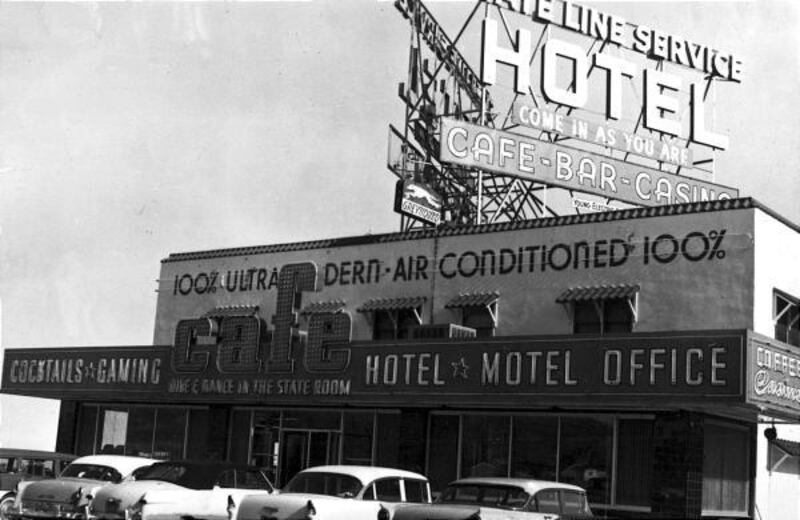

For Wendover, it's always been about location.
The community's remote setting, some 120 miles west of Salt Lake City near the ethereal solitude of the Salt Flats, has been a blessing and a curse.
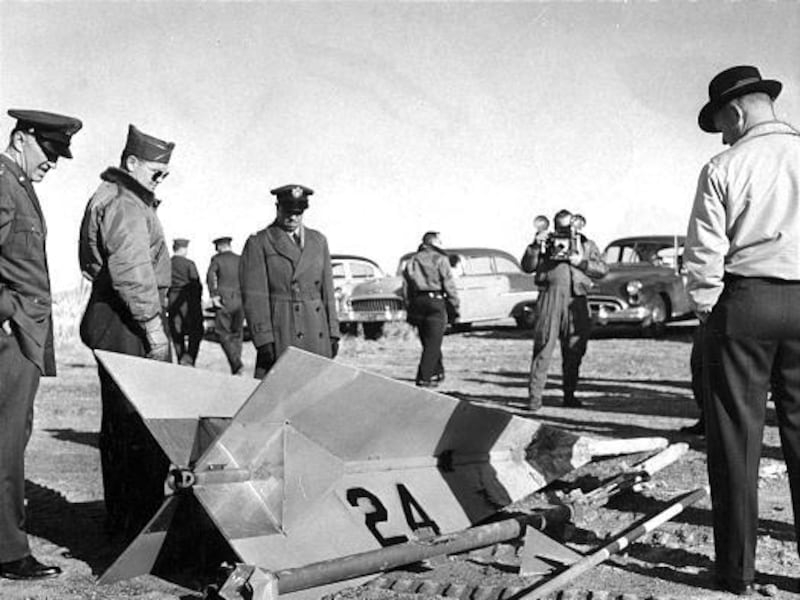
The area defined "middle-of-nowhere" when the Western Pacific Railroad established a watering stop there in 1907. Almost 40 years later, this desolate outpost that straddled the Utah-Nevada border turned out to be the perfect location to train for the top secret bombing missions that would end World War II and usher in the nuclear age.
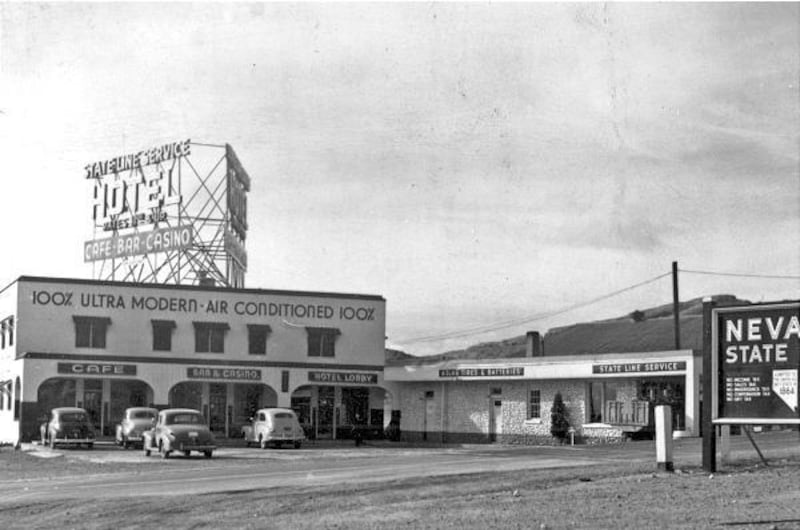
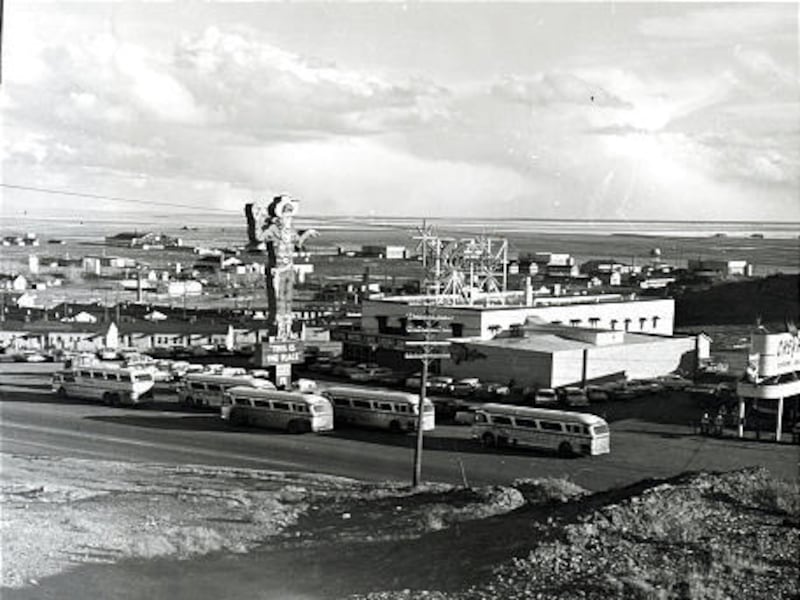
When the airmen left, I-80 shortened the distance between the Wasatch Front and the Stateline Hotel and Casino, and Wendover, especially West Wendover, Nev., was transformed again.
As Deseret News reporter Robert D. Mullins wrote in a Dec. 1, 1981, story, "Wendover, that split-personality town sitting on the Utah-Nevada border, is thriving because of the gambling and casinos on the Nevada side, which are largely supported by front money — Wasatch Front, that is."
At the time, it was estimated that 80 percent of the town's visitors were from Salt Lake City and Ogden.
Over the years, Deseret News reporters and photographers have kept a record of the changing face of Wendover. Photo researcher Ron Fox has culled the newspaper archives for photos of the community over the years, and many of these photos can be seen on the newspaper website at www.deseretnews.com.
Water has always been a concern for Wendover. When the railroad first selected the location on the ancient beach of Lake Bonneville, Western Pacific had to pipe water 23 miles from Pilot Springs for the steam engine. With the conversion to diesel power, the water was sold to the city.
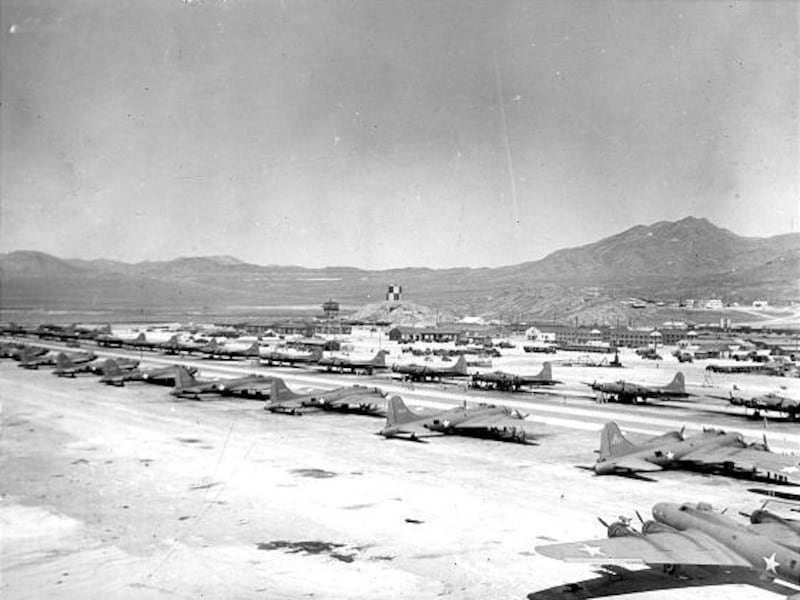
Wendover Air Force Base tapped Johnson Springs, 32 miles distant, when the base was built in 1940 for a bombing and gunnery range that would become recognized as the largest such range in the world. A story in the June 8, 1942, Deseret News promised prosperity driven by the base:
"Several hundred civilians in practically all of the established trades and occupations will be hired soon at the recently activated Sub-Depot Section of the U.S. Army Air Corps at Wendover, it was announced today."
The base was already being used for long-range bomber training when Col. Paul Tibbets, who had been assigned to organize, train and lead the world's first atomic sorties, recognized the area's potential.
"So when first spying Wendover Field and the surrounding 3.5 million-acre military reserve ... it appeared perfect for his purposes. Buffered by miles of emptiness in every direction, it wasn't only off the grid; there was no grid. The situation on the ground was equally promising as the base approached self-sufficiency, offering complete machining facilities and experienced ground support crews," wrote Deseret News staff writer Chuck Gates in a Nov. 2, 2009, story.
When Tibbets and his crew flew the Enola Gay over Hiroshima and into the history books, Wendover emerged from obscurity. The base was used for training on and off over the years until 1976.
On Aug. 25, 1990, Tibbets returned to Wendover Field, as reported by Art Challis, staff writer, in the next day's Deseret News:
"Hundreds gathered at a memorial ceremony Saturday to watch Gen. Paul Tibbets, former commander of the 509th Composite Group and the man who flew the plane that dropped the atomic bomb on Hiroshima 45 years ago, unveil a peace memorial.
"'There have never been so many that owed so much to so few,' he said, speaking of the debt of gratitude owed to the 509th. Because of its isolation, Wendover was the ideal place to assemble a secret project designed to train men for the atomic bombing of Japan, Tibbets said. 'I knew that if we could accomplish our task, we could shorten the war.'
Efforts are now under way to preserve what's left of the historic airbase, including the hangar that once housed the Enola Gay.
e-mail: mhaddock@desnews.com