




The recent precipitous drop in temperature shifted my desire to garden from outdoors to indoors rather quickly. When that happens, I always think greenhouses.
Most gardeners have, by nature, a streak to grow something that would not normally grow in their area. As I visit with gardeners from tropical countries, they want to grow bulbs that require winter chilling, fruits that need winter cold to produce or alpine plants that do not tolerate high temperatures.
Those of us in northern Utah want to grow lush, tropical ornamentals and fruits or grow warm-season vegetables that we miss when we are deprived of our outdoor gardens. Looking for a solution to this malady naturally takes us to the greenhouse or a related growing structure.
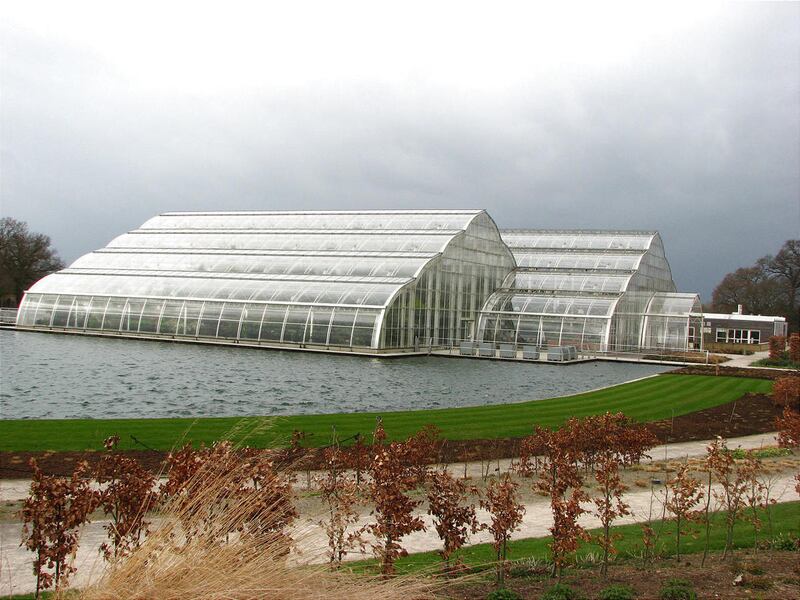
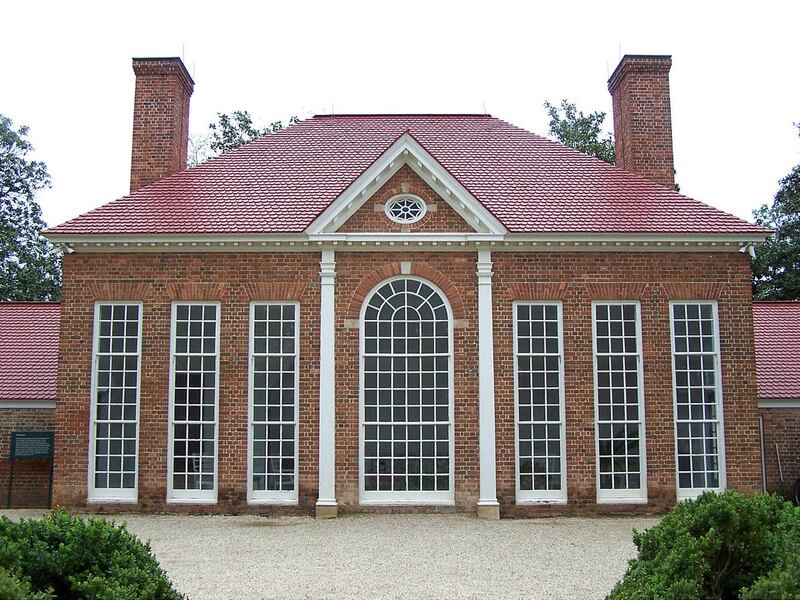
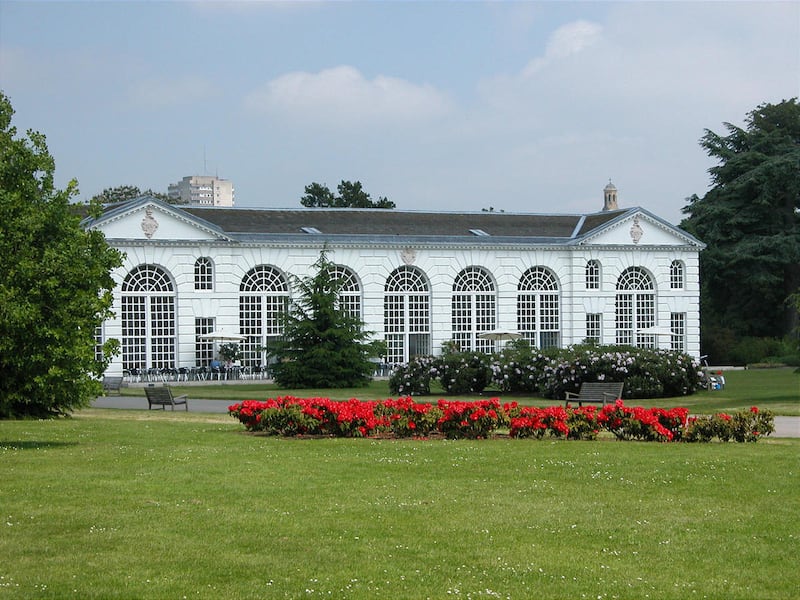
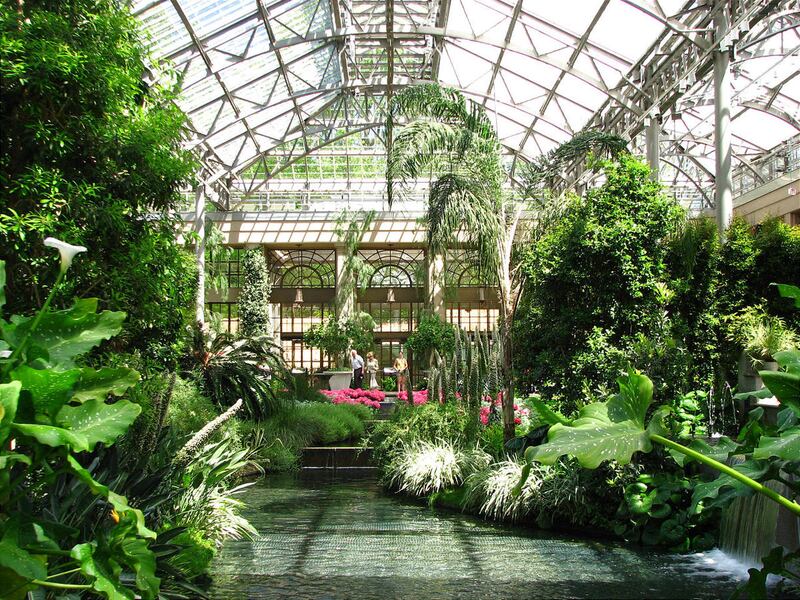
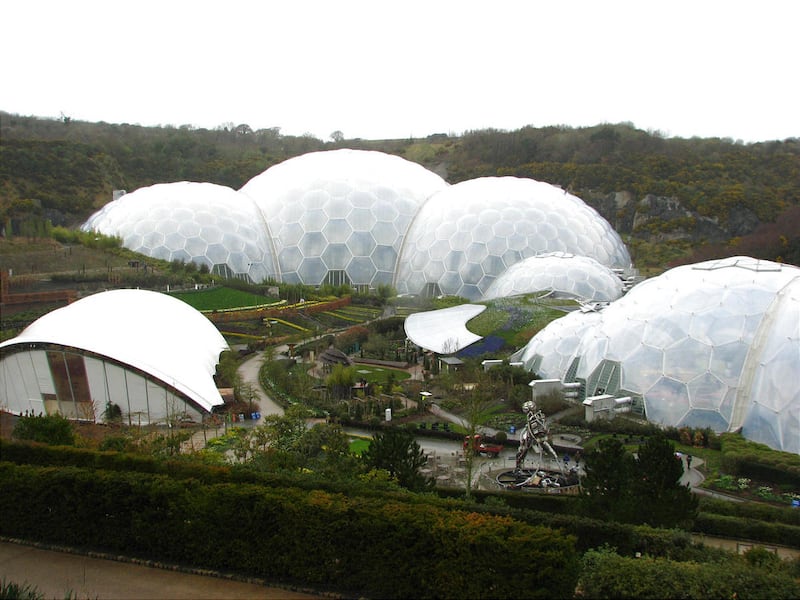
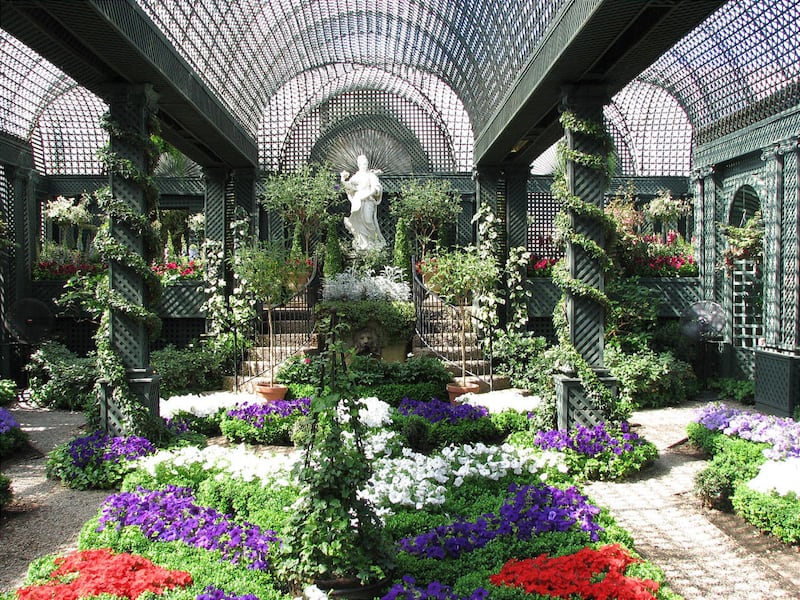
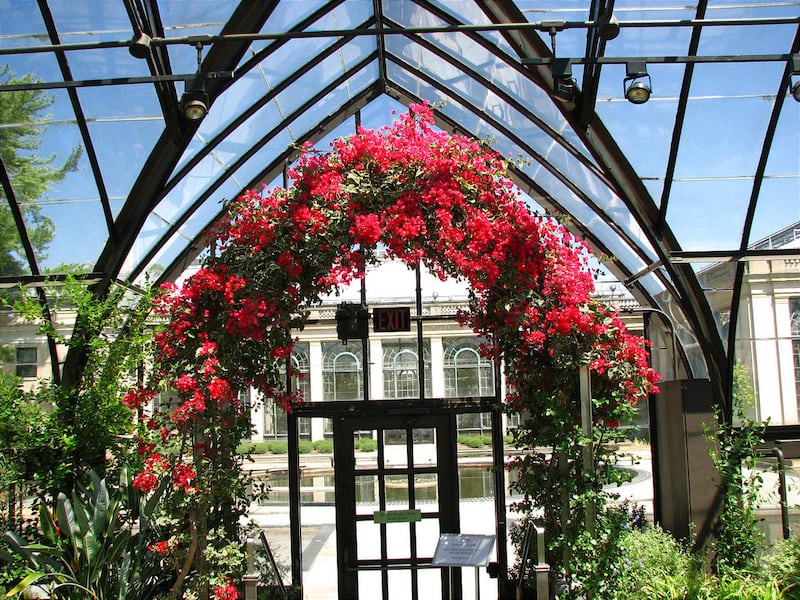
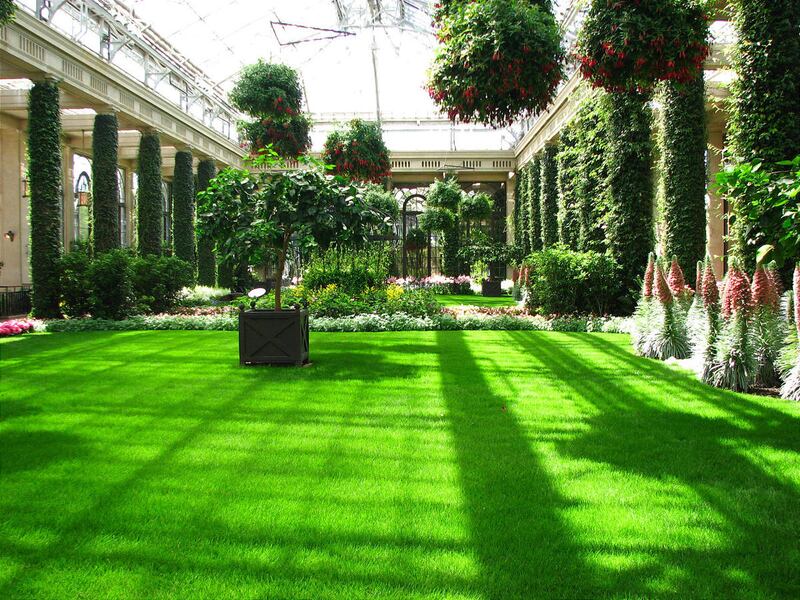
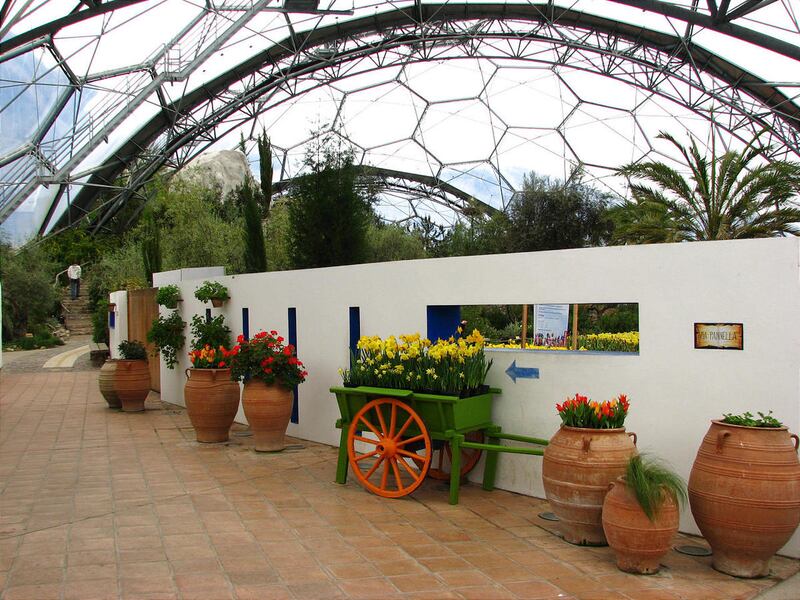
These structures that allow us to grow plants out of season range from the small and the simple to the large and ornate. They range from a simple wooden box covered with a discarded window pane to mammoth glass houses.
The largest greenhouse complex I ever visited covered 143 acres. That is about the area between State Street and Main Street from 100 North on the north side of the LDS Conference Center to 1300 South where Spring Mobile baseball field is located in Salt Lake City.
I have visited greenhouses of kings and queens, former U.S. presidents and those owned by the super-rich. In all of these, the goal is the same: Modify the climate to grow plants better.
Is a greenhouse right for you? Only you can answer that question. What do you want to do with your greenhouse? Many people envision a lush tropical paradise that automatically starts your plants, warms and waters them, and then produces copious amounts of tasty vegetables and fruits.
While I do not want to burst any bubbles, greenhouses are work. Plants require the right temperature, light, water and soil. Each of the inputs requires money and time, and without managing these correctly, your plants will not grow well.
Keeping the plants at the right temperature is critical. If you are growing tropical plants or warm-season vegetables, the temperature needs to remain above 55 degrees at night and at least 75 degrees during the day.
Keeping the right temperature inside a greenhouse is more difficult that you might imagine. Unlike your home, walls and roofs have to let in light, so they cannot be insulated.
When the sun shines during the day, greenhouses often get too hot. After the sun sets, they rapidly lose heat and get too cold. The commercial solution is to add fans and coolers to get rid of excess heat during the day and then burn fossil fuels to add heat at night.
Given the rising cost of all utilities, many hobbyists have opted to design solar heat as a part of their greenhouse. Of course, all greenhouses are solar. They capture light and heat from the sun so plants can grow.
As mentioned, conventional designs overheat during the day and have no way to store heat at night. Solar designs, by contrast, collect the excess heat during the day and store it so it can be dissipated at night, when there is no heat coming from the sun.
Collecting and storing the heat is not automatic. Solar designs maximize south-facing glazing to collect as much heat as possible and minimize heat loss by building solid, insulated walls that cannot collect sunlight.
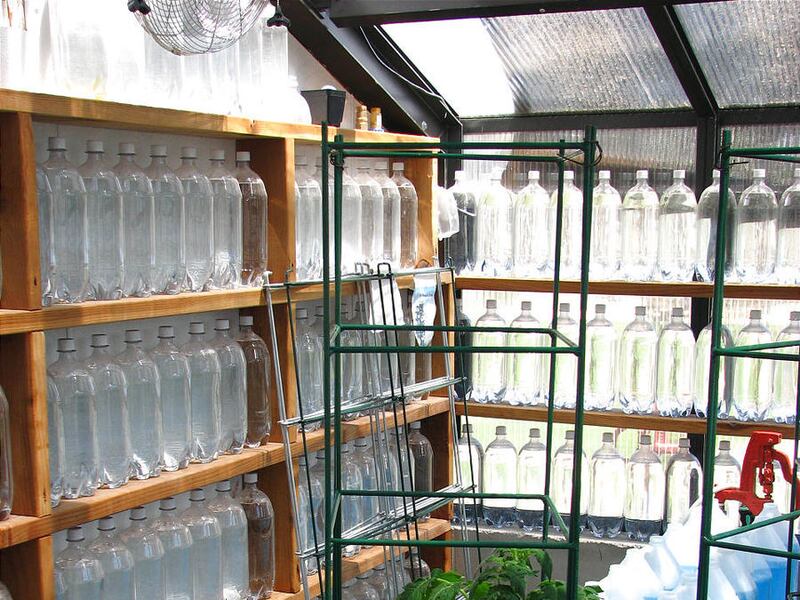
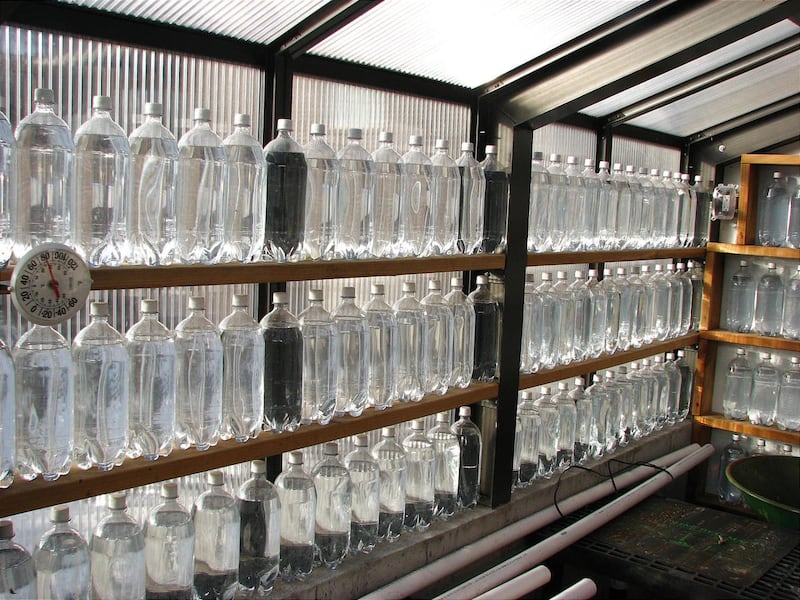
Storing the heat is another critical factor of solar design. The two most common types of storage are water and masonry or rock of some sort.
Water storage is the most effective because the sunlight shining on the water heats it during the day, reducing the interior temperatures of the greenhouse. After dark or on cloudy days, the water releases the heat and keeps the plants warm at night.
Other systems collect the heat, striking concrete, brick or rocks. These absorb heat and then keep the greenhouse warm at night. These systems are usually less effective because they get warmer during the day but lose heat more rapidly at night.
Any solar design helps lessen the burning of fossil fuels and also saves money. Do your part by incorporating them into your greenhouse, sunroom hotbed or cold frame. It will help you grow better plants and help preserve the environment.
Garden tips and events
Growing Community Gardens is an eight-week training series offered by Wasatch Community Gardens. It focuses on cultivating skills, sharing ideas and identifying resources for developing successful community gardens along the Wasatch Front.
Upon completion, qualifying applicants may apply for financial (up to $5,000) and technical support for new community gardens. Applications are now available at www.wasatchgardens.org. The application deadline is Saturday, and classes run from Feb. 1 to March 22 on Tuesday evenings, 6 p.m.-9 p.m. at 824 S. 400 West, Salt Lake City. The cost is $75, and scholarships are available.
Thanksgiving Point Classes
Basic Landscape Design Jan. 11, 18, 25, 10 a.m. 12:30 p.m. The fee is $40. Get professional results whether designing your first landscape or remodeling an existing landscape. Learn the proven process for creating a design you will enjoy. The class includes a free 15-minute consultation on your landscape plan by a USU Extension Service Master Gardener.
Grow more of your food out of season by taking the Solar Greenhouse Class on Jan. 11, 18, 25 from 2 p.m.-4:30 p.m. or 6 p.m.-8:30 p.m. The fee is $40. Take advantage of the sun to heat your greenhouse during the cold winter months. Extend your outdoor garden, or become more self-reliant. Learn about choosing a site, energy conservation, construction techniques, heating, cooling, hot beds and cold frames.