









HYDE PARK, N.Y. — Franklin Delano Roosevelt grew up in a mansion, pampered and catered to by servants, not the type of upbringing one would expect for a man who was perhaps the most politically liberal president of the 20th century. But FDR, who died 70 years ago April 12, contracted polio at age 39, and from that point on, his physical life and emotional outlook were forever changed. Many historians say that FDR’s struggles with polio raised his awareness of the plight of the underdog.
FDR has been a popular entertainment topic over the last few years. The movie "Hyde Park on the Hudson" was released in 2012. Ken Burns' miniseries "The Roosevelts" impressed television audiences this past fall.
A visit to Hyde Park affords the closest thing to seeing inside the heart and mind of the 32nd president. For years, a visit to Hyde Park consisted of a tour of FDR’s mansion (although the president would have never referred to it as a mansion — to him, it was just home) and a walk through the Franklin Roosevelt Presidential Library and Museum, which for decades was little more than a showcase of his stamp and model ship collections, his boyhood clothes, school certificates and a posted rundown of his life’s pivotal points.
Things have changed. In a way, Roosevelt land has become “Rooseveltland.” Not that there are robotic presidents here, but one could easily spend two full days getting to know the man through a look at the newly redesigned high-tech presidential museum and three homes, including Val-Kill Cottage, first lady Eleanor Roosevelt’s retreat, later her permanent home, ensconced in the Hudson Valley woods and opened to the public on Eleanor Roosevelt’s 100th birthday in 1984.
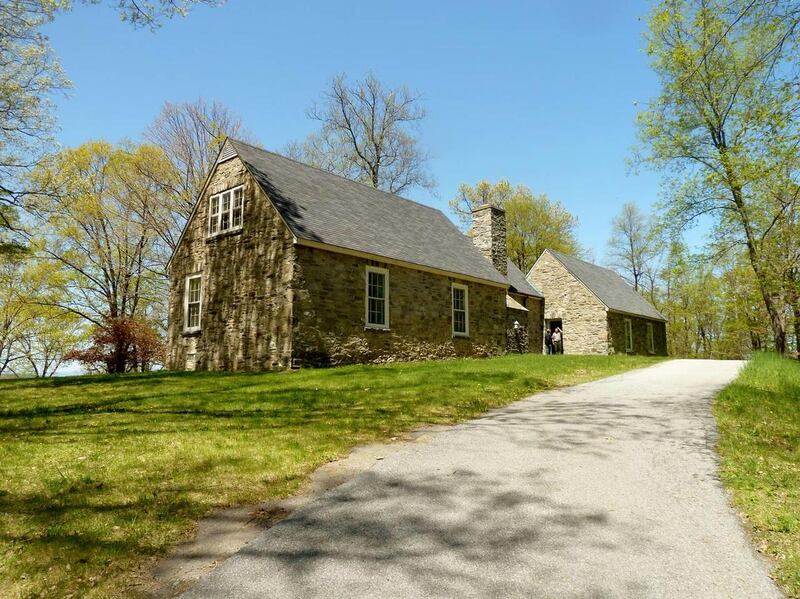
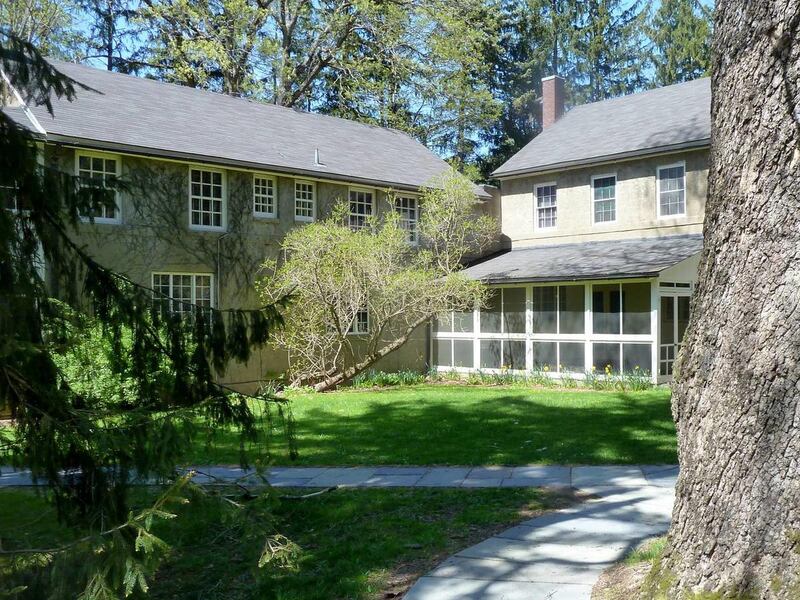
But like Eleanor, FDR also had a retreat where he went for solitude, a two-story, cozy, fieldstone house. It is called Top Cottage, and if you never saw it on a prior trip to Hyde Park, there is a good reason. It opened to the public in 2000 and has been open sporadically since. For those who saw "Hyde Park on the Hudson," a visit to Top Cottage is especially apropos. The famed picnic with the king and queen of England, central to the plot of "Hyde Park on the Hudson," took place not at the main residence but at Top Cottage. (However, historians have called out the movie regarding its veracity, especially concerning the romantic affairs that formed the foundation of a major plotline.)
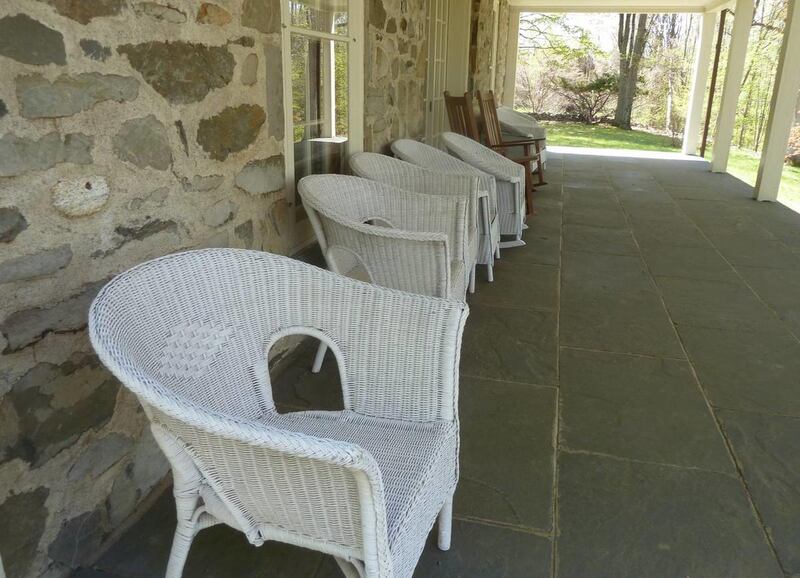
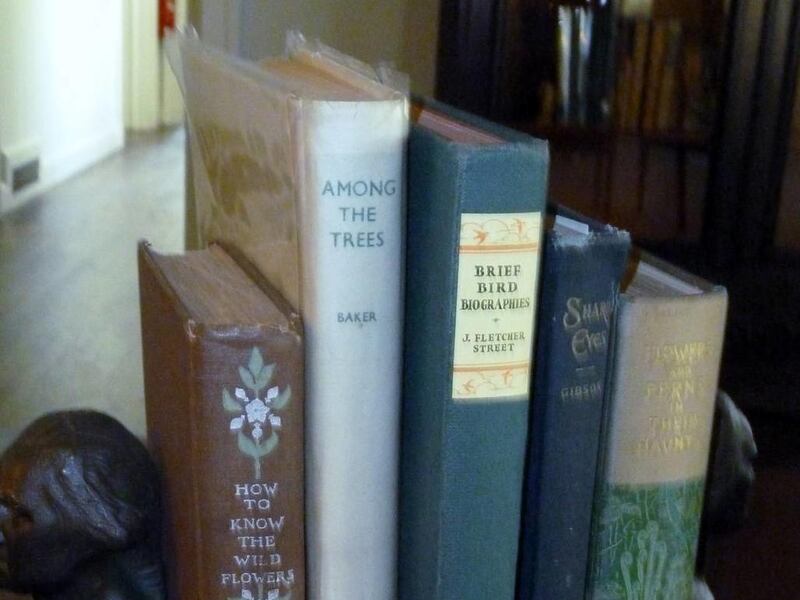
The furniture in Top Cottage is not original, and FDR’s small collection of books inside deals not with world issues but with area flora and fauna. The highlight of Top Cottage may very well be the cottage itself and its hilltop setting. We sat and relaxed outdoors in wicker chairs on the patio as National Park Service interpreter Mike Twardy offered some FDR lore. The president was a speed demon behind the wheel. Despite his paralysis, he was able to motor around town in a custom-fitted Ford Phaeton. Driving the royal couple along Route 9 up the thickly forested Dutchess Hill to his hideaway, FDR raced a bit too recklessly for her royal highness. Like a wary teenage girl who had had her fill of riding with the neighborhood hot-rodder, the queen shunned the president’s offer for a ride back to Route 9 when the picnic was over, opting for a less adventurous return trip with a member of the Secret Service.
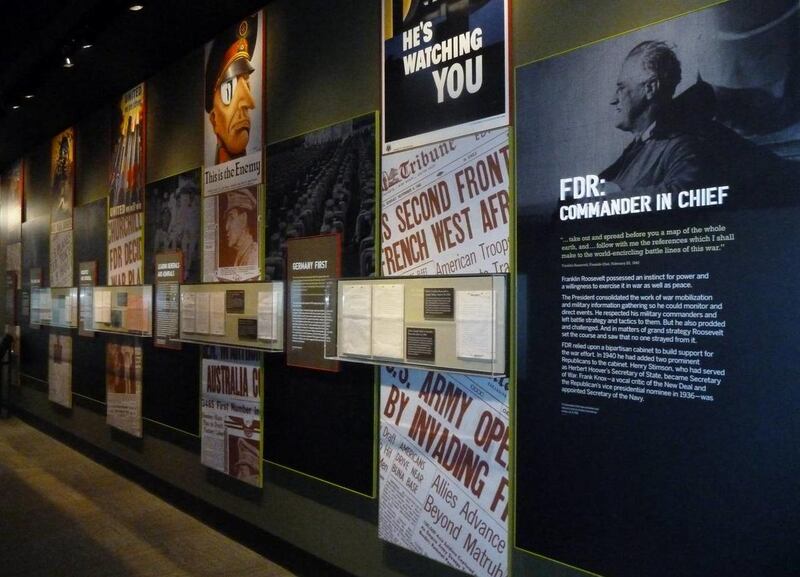
The Ford Phaeton, with its hand-operated controls, has a permanent home in the Franklin D. Roosevelt Presidential Library and Museum, redesigned in 2013. Visitors can’t sit in the car, but they can take a seat in a recreated Depression-era kitchen, where laundry hangs above a rustic washboard, and listen to a recording of one of FDR’s legendary fireside chats. That and numerous computer terminals underscore the interactivity of the newly redesigned museum.
Enough time has passed that no objective observer can accuse this museum of being hagiographic. Through interactive touch screens, one can read pros and cons regarding continuously debated issues, such as FDR’s actions, or lack thereof, regarding Jewish refugees escaping Nazi-occupied Europe and the pivotal Yalta Conference. And the full story of Roosevelt’s affair with Lucy Mercer is exposed. A display reads in part, “In the end, he (FDR) vowed never to see Lucy Mercer again — a promise he did not keep. The Roosevelts remained married, but thereafter were more political partners than husband and wife.”
According to an introductory video in the visitors center, misconceptions regarding this historic period abound. For example, the roots of the Great Depression date not to rampant stock market speculation in the 1920s but to World War I and the resulting national bankruptcies and trade imbalances. The New Deal may not have gotten the country out of the Depression, but Roosevelt did get the economy moving, and a posted chart shows that unemployment dropped from 25 percent when he took office in 1933 to just below 10 percent as his second term was winding up.
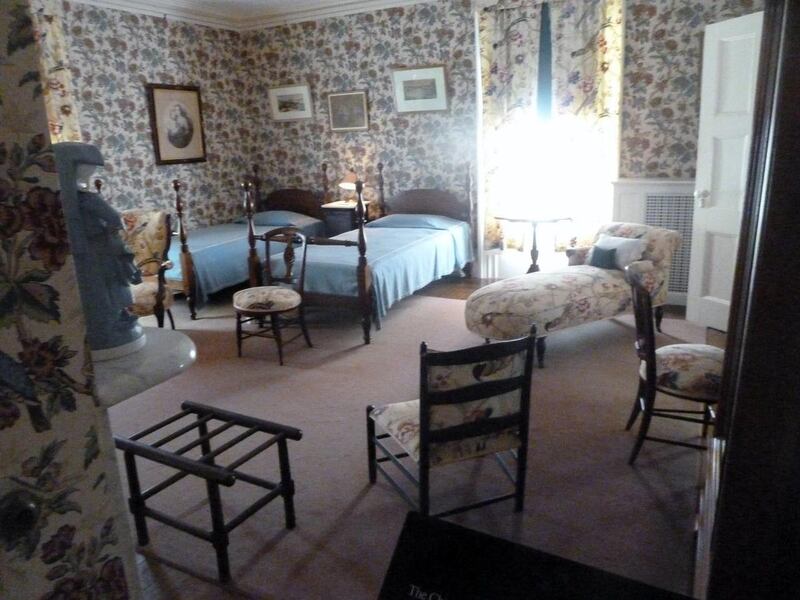
To ensure that FDR’s image as a strong leader didn’t suffer, press photos of a wheelchair-bound Roosevelt were prohibited. Yet the wheelchair in FDR’s dressing room on the second floor of his home merely humanizes the chief exec. Other FDR possessions emblematize his life as a statesman. Two high-backed leather chairs by the library fireplace were gifts given during his two terms as governor of New York. The diminutive snuggery down the hall was actually the domain of Franklin’s mother, Sara, and to call her presence at Springwood domineering would be calling that wall in China kind of big. She was often found sitting at the snuggery desk, paying bills or writing to friends. When peering inside the cozy snuggery, don’t neglect to notice the prototype RCA television set, which was used to broadcast an FDR speech at the 1939 New York World’ Fair. The president wasn’t impressed; he thought television was a gadget that would be a footnote in the march of technology.
Eleanor never felt comfortable at Springwood due to the presence of FDR’s mother. That’s why Eleanor had Val-Kill. One would not expect a former first lady of the United States to live in a converted factory off a dirt road in the woods, but Eleanor Roosevelt was not a typical first lady.
Val-Kill’s interior decor might be described early pleasant clutter. Eleanor’s sprawling study holds everything from cushy chairs to a television and radio to books and framed pictures and even more books and framed pictures. Photos of friends and relatives seem to line every available bit of wall space in her bedroom; resting on an end table is some of her reading material: "To Catch an Angel," Robert Russell’s memoir of growing up blind and eventually earning a Ph.D. during a less-enlightened time; and "J.B.," Archibald MacLeish’s 1958 take on a modern-day interpretation of the biblical Job. But Eleanor often eschewed her bedroom in warm weather so she could sleep on her screened-in porch, where she could enjoy the night air, the chorus of the crickets and the views of the distant, silhouetted Catskill Mountains.
FDR served a few months over three full terms, which begs the question of how history would remember him if he had served only the traditional two terms, but Twardy answered that a successful wartime president is sure to be remembered positively. He said that if FDR served only two terms, history would still remember him as a very good president.
“He got the machinery rolling again in the country," Twardy said. "Unemployment was still too high, but it plummeted in the eight years after FDR took office. But most of all, he gave the American people hope and confidence.”
If you go ...
What: Home of Franklin D. Roosevelt
Where: Hyde Park, New York
When: daily, year-round, 9 a.m.-5 p.m.
Web: nps.gov/hofr
If you go ...
What: Val-Kill
Where: Hyde Park, New York
When: daily, 9 a.m.-5 p.m., May-October; tours at 1 p.m. and 3 p.m., Thursday-Monday, November-April
Web: nps.gov/elro
If you go ...
What: Top Cottage
Where: Hyde Park, New York
When: daily, 9 a.m.-5 p.m., May-October
Web: nps.gov/hofr/planyourvisit/top-cottage.htm
If you go ...
What: Franklin D. Roosevelt Library and Museum
Where: Hyde Park, New York
When: daily, 9 a.m.-5 p.m., November-March; daily, 9 a.m.-6 p.m., April-October
Michael Schuman graduated cum laude from Syracuse University in 1975 and received an MFA in professional writing in 1977 from the University of Southern California. He lives with his family in New England and can be reached at mschuman@ne.rr.com.